
When it comes to maintaining the integrity of your home, few elements are as crucial as your chimney and roof. Both components serve essential roles in protecting your home from the elements, but they are often overlooked until problems arise. Understanding how chimney and roof repair work together is vital for preventing water damage and structural issues. In this post, we’ll delve into the interconnectedness of these two systems and highlight the importance of regular maintenance and timely repairs.
The Role of Your Roof
Your roof acts as the first line of defense against rain, snow, and severe weather. It protects not only the interior of your home from water damage but also the structural integrity of the entire building. Here are some key functions of a well-maintained roof:
- Water Shedding: A properly installed roof directs water away from the structure, ensuring that it runs off and does not pool.
- Insulation and Ventilation: Roofs often play a crucial role in regulating temperatures and ensuring proper ventilation, which can prevent moisture buildup in the attic and upper levels of your home.
- Structural Support: The roof is a critical part of your home’s framework, distributing weight and providing stability.
The Importance of Your Chimney
While the roof protects your home, the chimney serves a different yet equally important function. It allows for the safe venting of smoke and gases from your fireplace or heating system. This venting is essential for maintaining indoor air quality and ensuring that harmful gases do not enter your living space. Here are some reasons why chimney maintenance is critical:
- Prevention of Backdrafts: A well-maintained chimney prevents toxic gases from flowing back into your home.
- Moisture Management: Chimneys can be susceptible to moisture intrusion, which can lead to deterioration and structural issues.
- Fire Safety: Regular inspections and cleanings reduce the risk of chimney fires caused by creosote buildup.
How Water Damage Affects Both Systems
Water damage is one of the most significant threats to both roofs and chimneys. When water infiltrates either system, it can lead to a cascade of problems that affect the entire home. Here’s how:
Roof Leaks
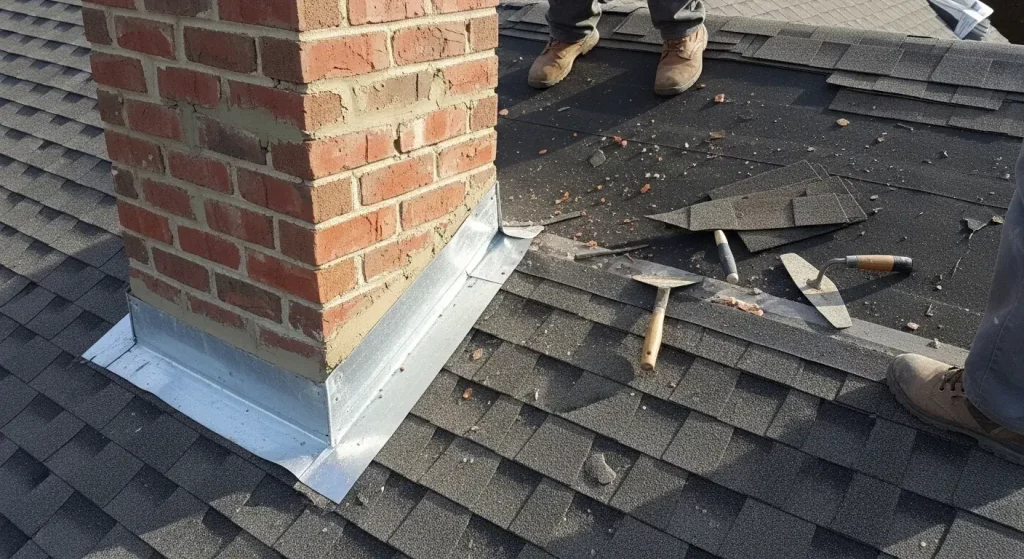
A damaged roof can lead to leaks that may compromise your chimney. Water can seep into the chimney structure, leading to:
- Cracked Mortar and Bricks: Continuous exposure to moisture can erode the mortar joints and brickwork, leading to structural instability.
- Rusting of Flue Liners: If your chimney has metal components, prolonged moisture exposure can cause rust, affecting the chimney’s functionality and safety.
- Increased Risk of Fire: Moisture can contribute to the growth of mold and mildew within the chimney, posing health risks and fire hazards.
Chimney Leaks
Conversely, a compromised chimney can lead to water damage affecting the roof. Issues include:
- Water Accumulation on the Roof: If the chimney cap is damaged or missing, water can enter the chimney and pool on the roof, leading to rot and deterioration.
- Interior Damage: Water entering through a leaky chimney can damage ceilings, walls, and insulation within your home, leading to costly repairs.
- Structural Compromise: The weight of accumulated water can lead to sagging roofs and even structural collapse in severe cases.
Interconnected Maintenance and Repair Strategies
To prevent these issues, it’s essential to adopt a proactive approach to both chimney and roof maintenance. Here are some strategies to ensure both systems work harmoniously:
Regular Inspections
Schedule annual inspections for both your roof and chimney. Professional inspections can identify potential issues before they escalate. During these inspections, look for:
- Damaged Shingles: Missing or cracked shingles can lead to leaks.
- Chimney Condition: Inspect for cracks, loose bricks, or signs of moisture intrusion.
Timely Repairs
Addressing minor issues promptly can save you from more extensive repairs later. If you notice:
- Water Stains on Ceilings: This could indicate a roof leak or chimney issue that needs immediate attention.
- Cracks in the Chimney: Repairing these can prevent water from entering the structure.
Proper Ventilation
Ensure your chimney is adequately ventilated to reduce moisture buildup. This can include:
- Installing a Chimney Cap: A cap prevents rain and debris from entering the chimney while allowing smoke to escape.
- Ensuring Roof Overhangs: Properly designed overhangs can help direct rainwater away from the chimney and roof junction.
Conclusion
In 2026, the importance of chimney and roof repair cannot be overstated. These two systems work hand-in-hand to protect your home from water damage and structural issues. By understanding their interconnectedness and adopting regular inspection and maintenance practices, you can ensure that your home remains safe and sound.
For more information about chimney repair services, visit our Chimney Repair page. Taking these proactive measures can save you time, money, and stress in the long run. Don’t wait for a problem to arise—schedule a professional inspection today!
