
A fireplace can be a warm and inviting feature in your home, especially during the chilly months. However, maintaining its safety and functionality is crucial to prevent hazards like chimney fires and carbon monoxide poisoning. This is where a professional fireplace inspection comes into play. In this post, we’ll explore what a fireplace inspection entails, why it’s essential for your home’s safety, and how it can save you money in the long run.
What Is a Fireplace Inspection?
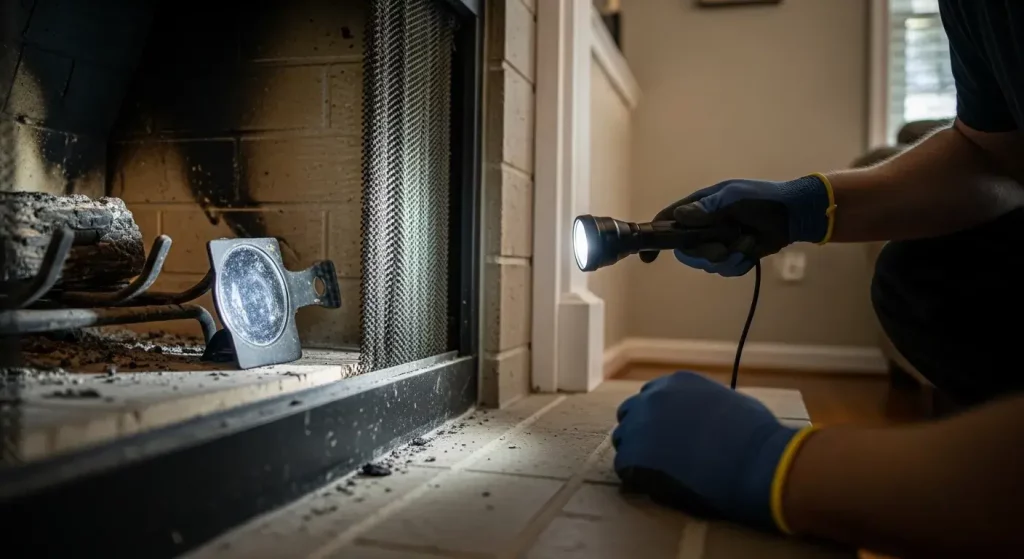
A fireplace inspection is a thorough examination of your fireplace, chimney, and venting system. This process is designed to identify any issues that could pose a risk to your home and your family’s safety. Inspections are typically categorized into three levels:
- Level 1 Inspection: This is the most basic inspection, focusing on the visible parts of the fireplace and chimney without the need for any equipment. It’s suitable for regular maintenance checks or if you’ve recently purchased a home with a fireplace.
- Level 2 Inspection: This inspection is more comprehensive and often required when there’s a change in ownership, a chimney fire, or if you are planning to install a new appliance. It includes everything in Level 1, but also involves inspecting the interior of the chimney using specialized tools like video cameras.
- Level 3 Inspection: This is the most invasive type of inspection and is reserved for situations where serious issues are suspected. It may involve the removal of parts of the chimney or fireplace to gain access to hidden areas.
The Inspection Process
During a fireplace inspection, a certified professional will perform several key tasks to ensure safety and efficiency. Here’s a breakdown of what to expect:
1. Visual Assessment
The inspector will begin with a visual examination of the fireplace and chimney structure. They will check for:
- Cracks and Deterioration: Look for any signs of wear, such as cracks in the masonry or flue tiles, which can lead to dangerous situations.
- Obstructions: Inspectors will check for any debris, animal nests, or soot buildup that could obstruct airflow.
- Damper Functionality: The damper should open and close smoothly to regulate airflow and prevent heat loss when the fireplace is not in use.
2. Chimney Flue Examination
The flue is the passageway for smoke and gases. A thorough inspection will involve:
- Interior Inspection: Using a video camera, the inspector will examine the flue for blockages and structural integrity.
- Condition of the Liner: If your chimney has a liner, the inspector will check for cracks or damage that could allow heat or gases to escape.
3. Ventilation and Clearances
Proper ventilation is crucial for safe fireplace operation. The inspector will ensure that:
- There’s Adequate Airflow: Sufficient airflow is necessary for combustion and to prevent backdrafting.
- Clearances Are Maintained: Check that combustible materials are at a safe distance from the fireplace and chimney.
4. Assessment of Appliances
If your fireplace includes gas or wood-burning appliances, the inspector will assess:
- Gas Lines and Connections: Ensure there are no leaks and that connections are secure.
- Functionality of Appliances: Check that the appliance operates correctly and safely.
Why Fireplace Inspections Matter for Home Safety
Regular fireplace inspections are vital for several reasons:
1. Preventing Fires
Chimney fires can occur when creosote—a flammable byproduct of burning wood—builds up in the chimney. An inspection will identify creosote accumulation and allow for timely cleaning, significantly reducing fire risk.
2. Identifying Structural Issues
A professional inspection can reveal structural problems that may not be visible to the untrained eye. Early detection of these issues can prevent costly repairs down the line.
3. Ensuring Proper Ventilation
Poor ventilation can lead to dangerous situations, such as carbon monoxide buildup. Inspections ensure that your fireplace is venting properly, keeping your home safe.
4. Insurance and Compliance
Many insurance companies require regular inspections as part of their policies. Keeping up with inspections may also ensure compliance with local building codes, saving you from potential fines.
How Often Should You Schedule an Inspection?
The National Fire Protection Association (NFPA) recommends that homeowners have their chimneys and fireplaces inspected at least once a year, preferably before the heating season begins. Regular inspections ensure that your fireplace remains in safe operating condition.
Conclusion
A fireplace inspection is a vital part of home maintenance that ensures the safety and efficiency of your heating system. By understanding what happens during an inspection and why it matters, you can take proactive steps to protect your home and family.
If you’re due for an inspection or have any questions about maintaining your fireplace, don’t hesitate to reach out to us at Top Hat Chimney and Roofing. Our team of professionals is ready to help with your chimney services and ensure your fireplace is safe for use. Remember, safety should always be your top priority when it comes to home heating!
Additional Resources
- Chimney Cleaning: Learn about the importance of regular chimney cleaning and how it complements your inspection.
- Fireplace and Chimney Repair Services: Explore our repair services if any issues are identified during your inspection.
Stay warm and safe this season!
