

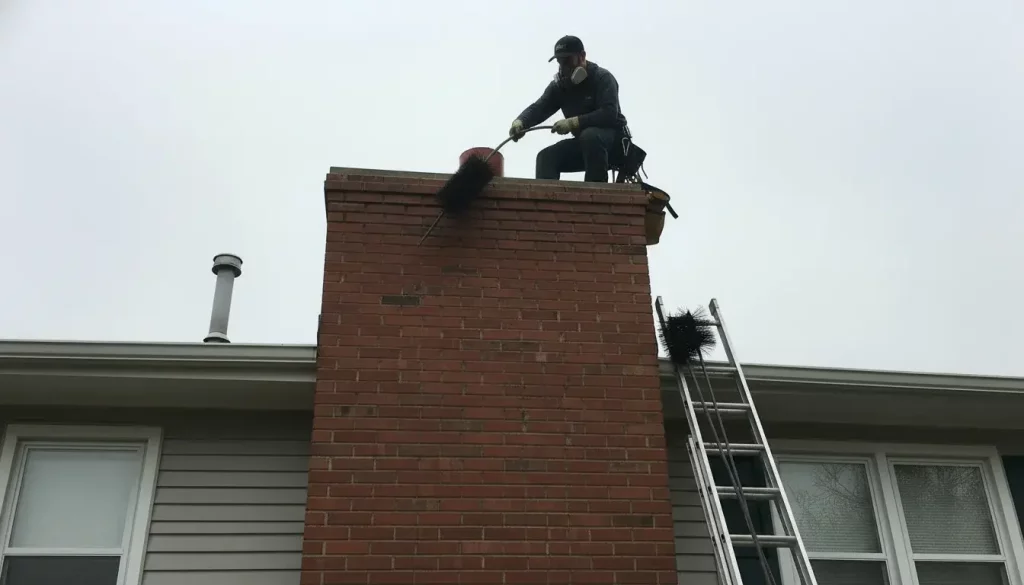
Understanding the regulatory landscape surrounding chimney maintenance and repair is essential for homeowners in Fort Bend County who want to ensure their properties remain safe, compliant, and properly maintained. Building codes exist to protect residents from fire hazards, structural failures, and indoor air quality issues that can arise from improperly constructed or maintained chimney systems. When planning any chimney work—whether routine fireplace sweep service or major structural repairs—homeowners must navigate a complex framework of local, state, and national regulations that dictate how this work should be performed.
The relationship between building codes and chimney sweep services often surprises homeowners who assume that cleaning and maintenance fall outside regulatory oversight. In reality, Fort Bend County enforces specific standards that affect everything from the materials used in chimney construction to the credentials required for professionals performing chimney work. Top Hat Chimney And Roofing emphasizes that understanding these code requirements before beginning any chimney project prevents costly mistakes, ensures proper permitting, and guarantees that work meets the safety standards designed to protect families and properties.
Building codes relevant to chimneys draw from multiple sources, including the International Residential Code (IRC), National Fire Protection Association (NFPA) standards, and Fort Bend County-specific amendments that address local construction practices and environmental conditions. These codes cover structural requirements, clearance distances from combustible materials, proper liner installation, cap specifications, and maintenance protocols. For homeowners, this regulatory complexity underscores the importance of working with knowledgeable professionals who understand how codes apply to specific chimney work scenarios.
The consequences of non-compliant chimney work extend beyond potential fines or failed inspections. Improperly maintained or constructed chimneys create serious fire hazards, carbon monoxide risks, and structural vulnerabilities that endanger occupants. Insurance companies increasingly scrutinize chimney-related claims, often denying coverage when damage results from code violations or deferred maintenance. These realities make code compliance not just a legal obligation but a practical necessity for protecting both property value and family safety.
Structural Requirements That Impact Chimney Sweep Operations
Fort Bend County building codes establish specific structural standards for chimney construction that directly affect how chimney sweep professionals approach their work. These requirements address masonry thickness, foundation adequacy, height specifications, and structural support systems that ensure chimneys can safely withstand operational stresses and environmental forces. When certified chimney cleaners assess a system, they evaluate whether the existing structure meets these code requirements, as deficiencies often require remediation before routine maintenance can proceed safely.
Masonry chimney walls must meet minimum thickness standards that vary based on chimney height and the type of heating appliance served. These thickness requirements ensure adequate thermal mass to prevent exterior surface temperatures from reaching levels that could ignite nearby combustible materials. During soot removal Fort Bend County professionals perform, structural assessments verify that walls haven’t deteriorated below code-required thicknesses due to weathering, spalling, or chemical attack from flue gases. Deteriorated masonry requires repair or rebuilding to restore code compliance and safe operation.
Foundation requirements for chimneys ensure adequate support for the substantial weight of masonry structures, which can exceed several tons for multi-story installations. Codes specify minimum footing dimensions, depth, and reinforcement based on soil conditions and chimney mass. When Top Hat Chimney And Roofing encounters settlement cracks, tilting, or separation between the chimney and the house structure, these often indicate foundation deficiencies that violate code requirements. Addressing these structural issues becomes a prerequisite for any other chimney work, as performing routine maintenance on a structurally compromised system creates liability and safety concerns.
Height requirements relative to roof penetration points and nearby roof surfaces ensure proper draft and prevent downdrafts that can force smoke and combustion gases back into living spaces. The “3-2-10 rule” commonly referenced in building codes requires chimneys to extend at least three feet above the point of roof penetration and at least two feet higher than any roof surface within ten feet horizontally. Local chimney sweep TX professionals verify these clearances during inspections, as modifications to roof structures or additions can create situations where previously compliant chimneys no longer meet height requirements.
Flashing and weatherproofing details specified in building codes prevent water intrusion that causes deterioration and creates hazardous conditions. Proper flashing installation requires specific overlapping sequences, sealant applications, and material selections that ensure long-term weather resistance. When roof chimney sweep services include inspection of these critical interfaces, code knowledge helps identify installations that don’t meet minimum standards. Water damage from failed flashing not only destroys masonry and structural components but also creates conditions conducive to dangerous creosote accumulation and wood decay.
Clearance Requirements and Fire Safety Considerations
Building codes establish specific clearance distances between chimneys and combustible materials to prevent ignition from conducted heat or radiant energy. These requirements affect both the chimney structure itself and the installation of heating appliances connected to the chimney system. Understanding these clearances becomes essential when performing wood stove cleaning or installing new heating equipment, as violations create immediate fire hazards regardless of how well-maintained the chimney system might be.
Combustible material clearances vary based on chimney construction type, with factory-built metal chimneys requiring different clearances than masonry chimneys. Unprotected combustible materials typically must maintain minimum distances of two inches from masonry chimney exteriors, though this increases significantly for factory-built systems unless specific clearance-reduction methods are employed. Top Hat Chimney And Roofing frequently encounters violations during annual chimney inspection activities, particularly in older homes where renovations have introduced combustible materials closer to chimneys than codes permit.
Attic and concealed space penetrations present special challenges regarding clearance maintenance and inspection access. Codes require specific clearances in these areas and mandate that combustible materials not contact chimney surfaces even in spaces where visual inspection proves difficult. This requirement makes thorough inspection essential, as homeowners and previous contractors may have unknowingly created hazardous conditions during insulation upgrades or storage activities. Chimney sweep professionals trained in code requirements recognize warning signs that suggest concealed clearance violations warranting further investigation.
Appliance installation clearances work in conjunction with chimney clearances to create comprehensive fire safety systems. Wood stoves, fireplace inserts, and other solid-fuel appliances must maintain specific distances from walls, floors, and ceilings unless protected by approved heat shields or constructed from non-combustible materials meeting code specifications. When performing fireplace sweep service, technicians evaluate whether appliance installations comply with manufacturer specifications and code requirements, as improper installation negates even the most thorough chimney maintenance.
The interaction between clearance requirements and creosote buildup removal creates interesting code compliance considerations. While routine cleaning maintains safe operation, codes increasingly specify maximum allowable creosote accumulation before cleaning becomes mandatory rather than recommended. Some jurisdictions adopt NFPA 211 language requiring cleaning when deposits exceed one-eighth inch thickness, transforming what many consider discretionary maintenance into a code-mandated activity. This evolution reflects growing recognition that deferred maintenance creates hazards warranting regulatory intervention.
Liner Requirements and Installation Standards
Chimney liner systems represent one of the most code-intensive aspects of chimney construction and renovation. Modern codes virtually universally require continuous liners from appliance connection to chimney termination, with specific material and installation standards varying based on the type of fuel burned and appliance characteristics. These requirements reflect understanding that unlined or improperly lined chimneys allow heat and combustion gases to contact masonry and framing materials, creating fire hazards and accelerating structural deterioration.
Clay tile liners, historically the most common liner type, must meet specific ASTM standards regarding material composition, dimensions, and installation practices. Codes require proper mortaring of tile joints, support at the base, and adequate clearances within the masonry shell. During chimney flue sweep operations, professionals assess tile condition, noting cracks, spalling, or separation that indicate liner failure requiring repair or replacement. Top Hat Chimney And Roofing emphasizes that damaged tile liners violate code requirements even when damage isn’t immediately visible from below, making camera inspection essential for comprehensive code compliance assessment.
Metal liner systems, increasingly popular for both new construction and relining existing chimneys, must carry appropriate listings from recognized testing laboratories certifying they meet specific performance standards. Installation must follow manufacturer instructions exactly, as deviations void listings and create code violations. Proper insulation, connector specifications, and termination details all factor into compliant installations. Certified chimney cleaner professionals understand these requirements and can identify non-compliant installations that require correction before the system can be considered safe for continued operation.
Gas appliance venting presents unique liner requirements that differ substantially from solid-fuel standards. Type B vent, direct vent, and other specialized venting systems each have specific code requirements regarding materials, clearances, and installation practices. When performing gas fireplace sweep services, technicians verify that venting systems meet manufacturer specifications and code requirements, as improper venting of gas appliances creates carbon monoxide hazards that, while different from fire risks, prove equally dangerous to occupants.
The relationship between liner requirements and smoke vent cleaning highlights how codes address both new construction and maintenance of existing systems. While codes establish minimum standards for new installations, they also increasingly address maintenance requirements for existing systems. Requirements for liner inspection frequency, cleaning protocols, and damage assessment help ensure that systems installed to code remain compliant throughout their service life. This maintenance-focused regulatory approach recognizes that chimneys require ongoing attention to maintain the safety levels codes intend to establish.
Permitting Requirements for Chimney Work
Fort Bend County requires permits for many types of chimney work, though specific requirements vary based on project scope. Understanding when permits are required prevents legal complications and ensures that work receives appropriate inspection oversight. Generally, structural repairs, liner installations, and new chimney construction require permits, while routine maintenance like annual cleaning typically does not. However, the boundary between maintenance and repair sometimes creates gray areas requiring professional judgment and interaction with building officials.
Permit applications for chimney work require detailed information about existing conditions, proposed work scope, materials to be used, and compliance with applicable codes. Top Hat Chimney And Roofing routinely navigates permit processes for clients, providing the technical documentation and code references that satisfy building department requirements. This service proves valuable for homeowners unfamiliar with permit procedures and helps ensure that applications receive timely approval without unnecessary revisions or delays.
Inspection requirements accompany most permitted chimney work, with building officials verifying code compliance at various project stages. Foundation inspections occur before concrete placement, framing inspections verify proper clearances and support, and final inspections confirm that completed work meets all applicable standards. Scheduling these inspections appropriately prevents project delays while ensuring officials can verify compliance at stages where corrections remain feasible. Working with experienced contractors familiar with local inspection processes streamlines these requirements.
The consequences of performing permit-required work without proper authorization extend beyond potential fines. Unpermitted work may require expensive corrections or even removal if it doesn’t meet code standards. Insurance companies can deny claims related to unpermitted work, leaving homeowners financially exposed. Future property sales may be complicated by disclosure requirements regarding unpermitted improvements. These realities make permit compliance not just advisable but essential for protecting property value and avoiding future complications.
Emergency repair situations sometimes create tension between the need for immediate action and permit requirements. When chimneys fail during storms or develop dangerous conditions requiring urgent attention, building departments typically accommodate emergency permits that allow immediate stabilization or hazard mitigation. Understanding these emergency procedures helps homeowners and contractors respond appropriately to urgent situations while maintaining code compliance. Sugar Land chimney experts familiar with local building department practices can navigate these situations efficiently, protecting both property and compliance.
Employee Perspective: The Importance of Code Knowledge in Daily Work
A dedicated technician at Top Hat Chimney And Roofing vividly remembers a service call that illustrated why building code knowledge matters so profoundly in chimney work. The call involved a routine fireplace sweep service request at a beautifully renovated historic home in Fort Bend County. Upon arrival, the initial assessment revealed what appeared to be a straightforward cleaning job. However, as the inspection progressed, multiple serious code violations became apparent—combustible framing materials installed directly against the chimney during a kitchen renovation, a damaged liner that had been painted over to conceal cracks, and clearance violations where a new mantel extended too close to the firebox opening.
The homeowner had no idea these hazards existed, having trusted previous contractors who apparently either didn’t know code requirements or chose to ignore them. Explaining these issues to the family, particularly emphasizing the fire risk to their two young children, proved emotionally difficult. The parents’ faces showed shock, then fear, then gratitude as they realized how close they’d come to a potential tragedy. Rather than a simple cleaning, the project evolved into comprehensive remediation addressing all violations. Weeks later, when the work was complete and the family could safely enjoy their fireplace, their heartfelt thanks made clear the profound difference that code knowledge and ethical practice make. That experience reinforced the understanding that chimney sweep work isn’t just about removing soot—it’s about protecting families through vigilant attention to safety standards that many homeowners don’t even know exist.
Material Specifications and Approved Products
Building codes specify approved materials for various chimney components, ensuring that products used meet minimum performance standards for their intended applications. These specifications draw from testing laboratory certifications, industry standards, and proven performance histories. Understanding which materials meet code requirements for specific applications prevents installation of inappropriate products that may fail prematurely or create safety hazards despite appearing adequate during initial installation.
Masonry materials for chimney construction must meet specific ASTM standards regarding compression strength, absorption rates, and durability characteristics. Clay brick, concrete block, and natural stone each have different code requirements based on their physical properties and intended applications. Mortar specifications similarly vary based on exposure conditions and structural requirements, with different mix designs required for above-grade versus below-grade applications. When performing creosote buildup removal and inspection, professionals assess whether original construction materials meet code standards, as substandard materials may require replacement even when structural dimensions appear adequate.
Flashing materials must resist corrosion, maintain flexibility across expected temperature ranges, and provide long-term weatherproofing under Fort Bend County’s climate conditions. Codes specify minimum material gauges for metal flashings and establish requirements for underlayment materials that work in conjunction with flashings to prevent water intrusion. Improper material selections in these critical applications lead to premature failures that compromise both chimney integrity and interior finishes below roof penetrations.
Chimney cap and crown materials face particular durability challenges from weather exposure and thermal cycling. Codes increasingly specify reinforced concrete for chimney crowns, with minimum thicknesses and overhang dimensions that shed water away from masonry surfaces. Metal caps must resist corrosion while providing proper ventilation and spark arrestment. Top Hat Chimney And Roofing encounters numerous instances where non-compliant caps or deteriorated crowns require replacement, often after causing expensive water damage that proper code-compliant installations would have prevented.
Sealant and caulk specifications affect long-term weatherproofing and movement accommodation in chimney systems. High-temperature sealants rated for exposure to flue gases must be used in specific applications, while exterior sealants require UV resistance and flexibility to accommodate thermal expansion without failure. Using inappropriate sealants creates failures that allow water intrusion or combustion gas leakage, both serious safety concerns. Code-compliant material selection in these seemingly minor applications contributes significantly to overall system longevity and safety.
Code Compliance and Insurance Considerations
The relationship between building code compliance and homeowner insurance coverage creates practical incentives for maintaining chimneys to required standards. Insurance policies typically require that properties meet applicable building codes, with violations potentially voiding coverage for related claims. When chimney-related fires or failures occur, insurance adjusters investigate whether code violations contributed to the loss, often denying claims when non-compliant conditions are discovered. These financial realities make code compliance about more than regulatory obligation—it becomes essential for maintaining insurance protection.
Documentation of code-compliant maintenance and repairs provides valuable evidence supporting insurance claims when necessary. Invoices showing regular annual chimney inspection services, photographs documenting conditions before and after repairs, and permits with successful final inspections all demonstrate responsible property stewardship. This documentation proves particularly valuable when claims involve older damage or complex causation questions where insurers might otherwise dispute coverage.
Professional liability considerations motivate reputable chimney service providers to maintain strict code compliance in all work performed. Top Hat Chimney And Roofing carries comprehensive insurance protecting both the company and clients, but this coverage depends on performing work according to applicable standards. Shortcuts or code violations not only create direct hazards but also expose both contractors and property owners to liability if problems develop. This shared interest in compliance creates alignment between professional contractors and property owners regarding the importance of meeting code requirements.
Pre-purchase inspections increasingly include detailed chimney assessments, with code violations noted as material defects requiring disclosure or remediation. Real estate transactions can be complicated or derailed by significant chimney code violations, affecting property values and marketability. Sellers benefit from addressing violations before listing properties, while buyers gain leverage to negotiate repairs or price reductions when inspections reveal non-compliant conditions. These market forces create additional incentives for maintaining code-compliant chimney systems regardless of regulatory enforcement.
Changing code requirements over time create interesting compliance questions regarding existing chimneys constructed to previous standards. Generally, existing systems remain legal if they met codes in effect at construction time, though renovations or repairs may trigger requirements to upgrade systems to current standards. Understanding these “grandfathering” provisions helps property owners make informed decisions about when voluntary upgrades make sense despite not being strictly required for existing installations.
Training and Certification Requirements for Chimney Professionals
Fort Bend County’s commitment to code compliance extends to requirements for professionals performing chimney work. While specific licensing requirements vary based on work type, the trend clearly moves toward requiring demonstrated competency through industry certifications and training programs. These requirements ensure that individuals performing chimney work possess knowledge of applicable codes, safety practices, and proper techniques that protect both workers and building occupants.
The Chimney Safety Institute of America (CSIA) provides widely recognized certification for chimney sweep professionals, with examination content covering code requirements, inspection protocols, and proper cleaning techniques. This certification demonstrates baseline competency that many jurisdictions increasingly require or strongly prefer for professionals performing chimney services. Top Hat Chimney And Roofing maintains CSIA certifications for technicians, ensuring that personnel possess current knowledge of industry best practices and regulatory requirements.
Continuing education requirements keep certified professionals current with evolving codes, emerging technologies, and refined safety practices. The chimney industry changes as new appliance types enter the market, building materials evolve, and research reveals improved maintenance approaches. Ongoing training ensures that professionals maintain competency throughout their careers rather than relying on potentially outdated knowledge from initial certification. This commitment to continuous improvement benefits clients through application of current best practices to every project.
Specialized certifications address specific chimney work areas, including gas appliance venting, factory-built fireplace systems, and advanced diagnostics. These specialized credentials demonstrate expertise beyond general chimney knowledge, qualifying professionals for complex work requiring deeper technical understanding. When unusual systems or challenging problems arise, homeowners benefit from access to specialists whose certified expertise addresses specific technical requirements.
Background check and insurance requirements for contractors performing chimney work protect property owners from fraud and ensure financial recourse if problems develop. Fort Bend County and surrounding jurisdictions increasingly require contractor registration, bonding, and insurance verification before issuing permits. These requirements eliminate fly-by-night operators while protecting homeowners who might otherwise unknowingly hire unqualified or uninsured individuals whose work creates liabilities.
Common Code Violations and Remediation Approaches
Experience performing thousands of inspections reveals common code violations that appear repeatedly in Fort Bend County chimneys. Recognizing these patterns helps homeowners understand what to look for and why professional inspections provide value beyond routine cleaning. Many violations result from well-intentioned but uninformed do-it-yourself work or from contractors lacking proper chimney knowledge, rather than from deliberate corner-cutting.
Clearance violations represent perhaps the most common code issue, particularly in renovated homes where modifications brought combustible materials closer to chimneys. Kitchen and bathroom renovations frequently create these problems when cabinets, framing, or finishes encroach on required clearances. Remediation typically requires either relocating combustible materials or installing approved heat shields that allow reduced clearances. Top Hat Chimney And Roofing works with homeowners to develop solutions that address violations while minimizing disruption to finished spaces.
Damaged or missing liners create serious code violations warranting immediate attention. Clay tile cracks, gaps in metal liner sections, or complete liner absence in older chimneys all require remediation before systems can be safely operated. Modern relining techniques using flexible stainless steel liners provide effective solutions that bring these systems into code compliance while often improving draft and reducing creosote accumulation compared to original configurations.
Inadequate or failed flashing and crowns allow water intrusion that accelerates deterioration and creates hazardous conditions. These violations often develop gradually as materials age and weathering takes its toll. Remediation requires removing failed materials and installing new flashing and crowns meeting current code specifications. While potentially expensive, these repairs prove far less costly than addressing the extensive interior water damage and structural deterioration that develops when waterproofing failures go unaddressed.
Height violations sometimes develop when roof modifications or nearby construction changes the relationship between chimney termination and surrounding surfaces. Adding dormers, raising roof pitches, or constructing nearby buildings can create situations where previously compliant chimneys no longer meet the 3-2-10 rule. Remediation requires chimney extensions that restore proper height relationships, ensuring adequate draft and preventing downdraft conditions that force smoke into living spaces.
Appliance installation violations appear frequently when homeowners or unqualified contractors install wood stoves, inserts, or other heating equipment without understanding clearance requirements, proper connector specifications, or venting system needs. Correcting these violations may require appliance relocation, installation of proper hearth extensions, replacement of single-wall connectors with approved double-wall systems, or complete venting system modifications. The complexity of proper appliance installation underscores the value of working with qualified professionals familiar with both appliance and code requirements.
The Evolution of Chimney Codes and Future Trends
Building codes continue evolving as research reveals improved safety practices and new technologies enter the market. Understanding how codes change helps property owners anticipate future requirements and make informed decisions about voluntary upgrades that may eventually become mandatory. The general trend moves toward more prescriptive requirements, higher performance standards, and greater emphasis on maintenance as an essential component of ongoing code compliance.
Energy efficiency considerations increasingly influence chimney codes as building envelopes become tighter and heating systems more efficient. Traditional chimneys designed for draft-intensive masonry fireplaces may not perform adequately with modern sealed-combustion appliances, creating code-driven needs for system modifications when heating equipment is replaced. These interactions between equipment efficiency standards and chimney requirements create complex compliance scenarios requiring professional expertise to navigate successfully.
Carbon monoxide detection requirements have expanded significantly in recent code cycles, with specific provisions addressing chimney-served appliances. While not strictly chimney codes, these requirements affect overall heating system compliance and safety. Proper chimney maintenance and operation become even more critical when recognized as components of comprehensive carbon monoxide safety strategies that include detection equipment, appliance maintenance, and proper ventilation.
Seismic requirements in chimney codes reflect growing understanding of earthquake vulnerability, particularly for tall, heavy masonry structures. Fort Bend County experiences seismic activity rarely, but codes increasingly adopt seismic provisions that improve chimney performance during earthquakes while also enhancing resistance to other lateral forces like wind. Reinforcement requirements, bracing specifications, and foundation details that address seismic concerns often provide benefits beyond earthquake resistance.
Environmental regulations influence chimney codes through provisions addressing combustion efficiency and emissions. Wood-burning appliance standards have tightened significantly, with older, inefficient units increasingly targeted for replacement. These environmental concerns manifest in code requirements for appliance certifications, installation specifications that optimize performance, and maintenance requirements that ensure continued efficient operation. Top Hat Chimney And Roofing helps homeowners understand how environmental regulations affect their systems and what upgrades may be advisable or required.
Navigating Code Compliance for Historic Properties
Historic homes present unique challenges regarding chimney code compliance, as preservation goals sometimes conflict with modern safety requirements. Fort Bend County contains numerous historic properties where chimneys represent significant architectural features warranting preservation. Balancing code compliance with historic preservation requires creative problem-solving and often involves variance processes that allow alternative compliance methods when literal code application would destroy historic character.
Interior chimney relining often provides solutions that bring systems into code compliance without affecting exterior appearance. Modern flexible liners installed within existing chimney structures improve safety and function while preserving historic masonry exteriors. This approach satisfies both preservation and safety goals, making it frequently the preferred strategy for historic property chimney upgrades.
Masonry repair techniques for historic chimneys require matching original materials and construction methods as closely as possible while meeting structural performance requirements. Modern mortar mixes often prove too hard for soft historic brick, creating spalling and deterioration. Specialized historic preservation mortars matched to original composition and strength provide code-compliant repairs that don’t damage historic masonry. Professionals experienced in historic preservation understand these material compatibility issues and source appropriate products for sensitive restoration work.
Historic preservation review boards may have jurisdiction over visible chimney work in designated historic districts, adding another approval layer beyond building permits. These reviews assess whether proposed work maintains historic character and follows appropriate preservation standards. Top Hat Chimney And Roofing has experience navigating these dual approval processes, developing solutions that satisfy both preservation boards and building officials.
The economic considerations of historic chimney preservation versus replacement create difficult decisions for property owners. While preservation aligns with historic character goals, costs sometimes exceed replacement with sympathetically designed new construction. Code requirements may tip these decisions when existing chimneys have deteriorated beyond feasible repair or when systems cannot be brought into compliance through any practical preservation approach. Professional assessment helps property owners understand options, costs, and regulatory requirements informing these significant decisions.
Practical Steps for Ensuring Code Compliance
Homeowners can take several practical steps to ensure their chimney systems meet code requirements and remain safe for continued use. These proactive measures prevent violations from developing while identifying problems when they remain relatively minor and inexpensive to address. Building code compliance ultimately depends on property owner diligence supported by qualified professional services at appropriate intervals.
Annual professional inspections by certified chimney professionals represent the foundation of compliance maintenance. These inspections identify developing problems before they become serious violations or safety hazards. Comprehensive inspections address structural condition, liner integrity, clearances, cap and crown condition, and overall system functionality. Documentation from these inspections creates records demonstrating responsible maintenance that support insurance claims and property sale transactions.
Prompt repair of identified deficiencies prevents minor problems from escalating into major code violations or dangerous conditions. When inspections reveal damaged flashing, deteriorating mortar, or other issues, addressing these promptly maintains code compliance while minimizing repair costs. Deferred maintenance almost always proves more expensive than timely repairs, as deterioration accelerates once protective systems fail.
Permit acquisition for applicable work ensures that repairs and modifications receive proper oversight and documentation. While permitting adds time and cost to projects, these investments provide assurance that work meets code requirements and receives official approval. Permitted work also avoids the legal and financial complications that unpermitted work creates for future property transactions and insurance claims.
Professional selection based on qualifications, certifications, and reputation ensures that chimney work meets appropriate standards. Top Hat Chimney And Roofing encourages homeowners to verify contractor credentials, request references, and confirm insurance coverage before engaging services. These due diligence steps identify qualified professionals while avoiding unqualified individuals whose work may violate codes and create hazards.
Education about chimney systems and code requirements empowers homeowners to recognize problems and understand professional recommendations. While homeowners need not become experts, basic understanding of how chimneys function, what hazards exist, and why certain maintenance proves necessary supports informed decision-making. Professional contractors should welcome questions and provide clear explanations that help clients understand recommended work and its code compliance basis.
Integration of Code Compliance Into Routine Maintenance
Modern chimney service increasingly integrates code compliance assessment into routine maintenance activities. Rather than treating code compliance as a separate concern, comprehensive service providers evaluate regulatory requirements during every service call, identifying issues requiring attention and advising clients about both immediate and long-term compliance needs. This integrated approach ensures that routine maintenance supports ongoing code compliance rather than just addressing immediate cleaning needs.
When performing routine cleaning services, technicians trained in code requirements observe and document conditions affecting compliance. Clearance issues, structural deterioration, liner damage, and other code-relevant conditions noted during cleaning inform recommendations for additional work or further assessment. This opportunistic inspection approach maximizes the value of routine service calls while ensuring that code issues receive timely identification.
Photographic documentation during routine services creates visual records supporting insurance claims, property sales, and future maintenance planning. Images showing conditions before and after cleaning, documenting repairs performed, and illustrating developing problems provide valuable evidence of property condition and maintenance history. Top Hat Chimney And Roofing maintains comprehensive photographic records that benefit clients in numerous ways beyond immediate service documentation.
Client education during service visits helps homeowners understand code requirements relevant to their specific systems. Explaining why certain conditions violate codes and what hazards they create transforms abstract regulations into concrete safety concerns. This educational approach helps clients appreciate why recommended repairs prove necessary rather than viewing them as optional suggestions or profit-motivated upselling.
Long-term maintenance planning incorporates code compliance considerations into budgeting and scheduling decisions. When inspections identify conditions that don’t yet require immediate action but will need attention within predictable timeframes, clients can plan financially and logistically for necessary work. This proactive approach prevents emergencies while allowing work to be scheduled when convenient rather than under crisis conditions that often increase costs and disruption.
Regional Considerations Specific to Fort Bend County
Fort Bend County’s specific climate, soil conditions, and construction practices create unique considerations affecting how building codes apply to chimney systems. Understanding these regional factors helps homeowners and professionals apply code requirements appropriately while addressing local challenges that may not be prominent in codes written for broader applicability.
Soil conditions throughout Fort Bend County include expansive clays that shift with moisture content changes, creating foundation stresses that affect chimney stability. Code-compliant foundation design must account for these soil characteristics, with proper depth, reinforcement, and design preventing settlement or movement that compromises chimney integrity. Professionals familiar with local soil conditions incorporate appropriate foundation specifications that address these regional challenges.
Humidity and rainfall patterns affect weatherproofing requirements and deterioration rates for exposed chimney components. Fort Bend County’s subtropical climate creates conditions conducive to accelerated weathering of masonry, flashing, and sealants. Code-compliant installations must use materials and details appropriate for these exposure conditions, ensuring adequate durability despite challenging environmental conditions.
Wind exposure considerations affect chimney height requirements and structural design. While Fort Bend County isn’t coastal, tropical weather systems occasionally bring high winds requiring proper chimney anchoring and reinforcement. Code provisions addressing wind loads ensure chimneys remain stable during severe weather events that might otherwise topple inadequately secured structures.
Local construction practices and material availability influence how code requirements are typically satisfied in Fort Bend County. Understanding which products and approaches local building officials expect to see streamlines permit approval and inspection processes. Top Hat Chimney And Roofing maintains current knowledge of local building department preferences and requirements, facilitating smooth project approvals.
The interaction between county and municipal jurisdictions creates complexity regarding which codes apply to specific properties. Sugar Land, Missouri City, and other incorporated areas within Fort Bend County may adopt different code versions or amendments than unincorporated county areas. Determining which jurisdiction has authority and which code version applies requires verification for each property, preventing assumptions that might lead to non-compliant work.
