

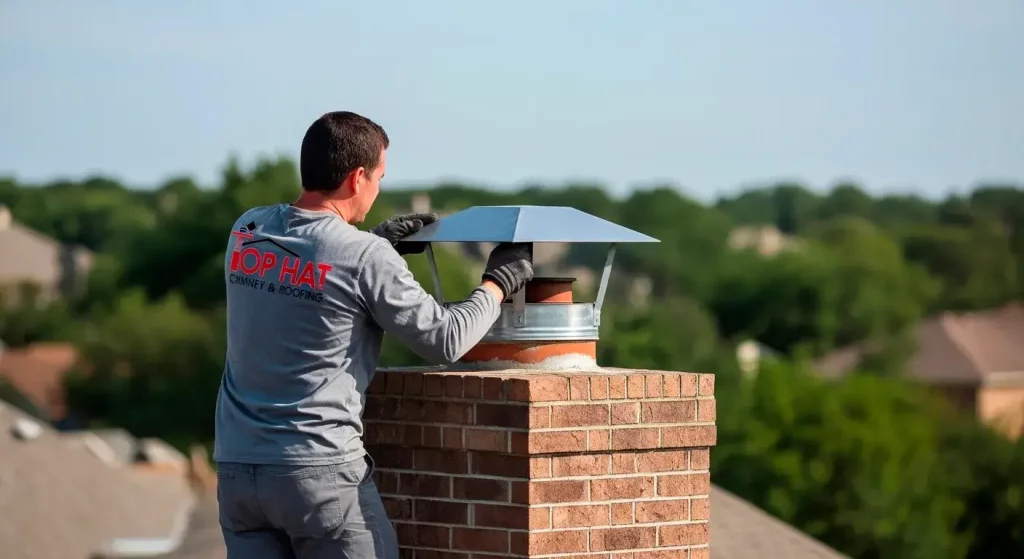
When it comes to protecting your home, one often overlooked component is the chimney cap. Many homeowners in Sugar Land may not realize the significant role that chimney cap installation plays in safeguarding their homes from water and animal damage. In this blog post, we’ll explore why chimney caps are essential, how they work, and why installing one should be a priority for every homeowner in the area.
Understanding the Role of a Chimney Cap
A chimney cap is a protective covering placed at the top of your chimney. It serves multiple purposes that are critical for the longevity and functionality of your chimney. Here are the main functions of a chimney cap:
- Water Protection: The primary function of a chimney cap is to prevent rainwater from entering the chimney. Water intrusion can lead to significant damage to the chimney structure, including cracking and deterioration of bricks and mortar.
- Animal Barrier: Chimney caps act as a barrier against animals, such as birds and squirrels, that may seek refuge in your chimney. These animals can create nests that block airflow and lead to dangerous chimney fires.
- Debris Guard: A chimney cap prevents debris such as leaves, twigs, and other materials from entering the chimney. This debris can accumulate and create blockages that hinder the chimney’s performance.
The Importance of Chimney Cap Installation in Sugar Land
1. Preventing Water Damage
In Sugar Land, where heavy rains are common, water damage is a significant concern for homeowners. When rainwater seeps into your chimney, it can cause the following problems:
- Freeze and Thaw Damage: Water that enters the chimney can freeze during cold weather, expanding and causing cracks in the chimney structure. As it thaws, it creates further damage, leading to costly repairs.
- Mold and Mildew Growth: Excess moisture can lead to mold and mildew growth within the chimney and surrounding areas, posing health risks to your family and compromising the integrity of your home.
- Rust and Corrosion: For chimneys that contain metal components, water intrusion can lead to rust and corrosion, significantly shortening the lifespan of these parts.
2. Deterring Animals and Pests
Wildlife can be both a nuisance and a danger to your chimney. Without a chimney cap, your flue becomes an open invitation for animals to enter. Here’s how chimney caps help:
- Exclusion of Birds and Squirrels: Birds may build nests in your chimney, obstructing airflow and creating fire hazards. A properly installed chimney cap prevents these animals from gaining access.
- Keeping Out Larger Animals: Larger animals, such as raccoons, can also find their way into chimneys. This can lead to not only property damage but also health risks if animals die within the flue.
3. Enhancing Chimney Efficiency
A chimney cap also plays a role in the efficiency of your chimney. Here’s how:
- Improved Draft: By preventing debris and animals from blocking the flue, chimney caps help maintain a good draft, ensuring that smoke and gases can escape efficiently.
- Reduced Creosote Buildup: Proper airflow reduces the risk of creosote buildup, a flammable substance that can lead to chimney fires. Regular chimney maintenance, including the installation of a cap, is vital for safe operation.
Signs You Need a Chimney Cap Installation
If you’re unsure whether your chimney needs a cap, look for these signs:
- Visible Damage: If you notice cracks or deterioration on your chimney structure, it may be a sign that water has infiltrated.
- Animal Activity: Hearing noises coming from your chimney or spotting birds near your flue are clear indicators that a cap is needed.
- Debris Accumulation: If you frequently find debris in your chimney, it’s time to consider a chimney cap to prevent further blockages.
Choosing the Right Chimney Cap
When selecting a chimney cap, there are several factors to consider:
- Material: Chimney caps come in various materials, including stainless steel, copper, and galvanized steel. Choose one that withstands the elements and complements your home.
- Design: Ensure the design fits the specific dimensions of your chimney. A well-fitted cap will perform better and last longer.
- Installation: While some homeowners may attempt a DIY installation, professional installation is recommended to ensure proper fit and function. Consider hiring a local expert for chimney cap installation in Sugar Land to guarantee optimal results.
Maintenance Tips for Your Chimney Cap
Once your chimney cap is installed, regular maintenance is essential to ensure its effectiveness. Here are some tips:
- Inspect Regularly: Check your chimney cap regularly for any signs of damage or wear. Look for rust, loose fittings, or debris buildup.
- Clean as Needed: Remove any debris that accumulates on top of the cap to maintain airflow and prevent blockages.
- Schedule Professional Inspections: Regular inspections by a professional can help identify issues before they become serious problems. Consider scheduling a chimney cleaning and inspection at least once a year to ensure your chimney remains in top shape.
Chimney cap installation is not just an optional home improvement; it is a crucial step in protecting your home from water and animal damage. By investing in a quality chimney cap, you enhance the durability and efficiency of your chimney while safeguarding your property against costly repairs.
If you’re ready to protect your home with a professional chimney cap installation in Sugar Land, contact us today. Our team at Top Hat Chimney and Roofing is dedicated to providing expert service and ensuring your chimney is safe and functional. For more information on our services, visit our chimney cap installation page. Don’t wait until it’s too late—secure your home with a chimney cap today!
