
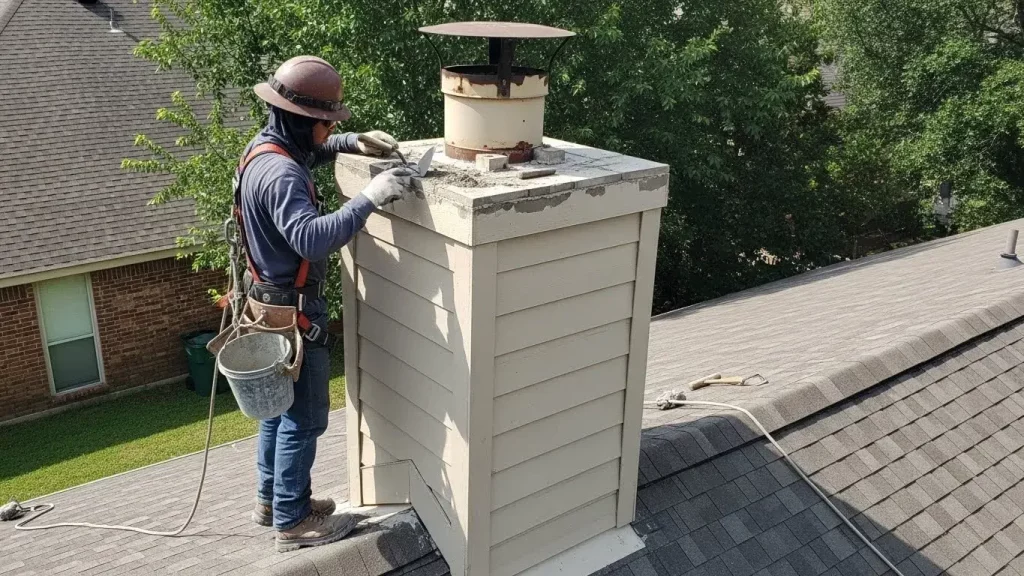
Homeowners often overlook their chimneys until serious problems arise, yet these vertical structures require consistent attention to maintain safety and functionality. A deteriorating chimney doesn’t just affect heating efficiency—it poses genuine risks to property and family wellbeing. Understanding the early indicators of chimney damage allows property owners to address issues before they escalate into costly emergencies requiring extensive chimney repair sugar land tx services.
The chimney system functions as more than a decorative architectural element. It channels dangerous combustion gases away from living spaces while withstanding extreme temperature fluctuations, weather exposure, and structural stress. When components begin failing, the consequences range from water infiltration and energy loss to carbon monoxide exposure and fire hazards. Recognizing warning signs early makes the difference between simple maintenance and complete reconstruction.
Visible Cracks and Deterioration in Masonry Requiring Chimney Repair Sugar Land TX
Masonry chimneys develop cracks for numerous reasons, including freeze-thaw cycles, settling foundations, and normal aging. Small hairline cracks might seem insignificant, but they allow moisture penetration that accelerates deterioration exponentially. Water enters these openings, freezes during cold weather, expands, and creates larger fractures—a destructive cycle that compromises structural integrity.
Top Hat Chimney And Roofing technicians frequently encounter homeowners who dismissed minor cracks only to face extensive damage later. Vertical cracks running along mortar joints indicate failing mortar that needs repointing. Horizontal or stair-step cracks suggest more serious structural movement requiring immediate professional evaluation. Spalling bricks—where the brick face pops off or crumbles—signals advanced water damage that demands prompt chimney repair sugar land tx intervention.
The crown, which seals the chimney top, commonly develops cracks that homeowners cannot easily see from ground level. These cracks allow substantial water entry directly into the chimney structure, causing interior damage, staining, and masonry deterioration. Without timely repairs, crown damage leads to complete crown replacement, a significantly more expensive undertaking than addressing small cracks when they first appear.
Understanding the Progression of Masonry Damage
Masonry deterioration follows predictable patterns that accelerate over time. Initial surface cracks permit minor moisture intrusion, which gradually dissolves mortar compounds. As mortar weakens, bricks lose support and begin shifting. This movement creates additional stress points throughout the structure, generating new cracks in a cascading failure pattern.
Property owners should examine their chimneys regularly for efflorescence—white staining that indicates water moving through masonry and depositing mineral salts on surfaces. This visible symptom confirms moisture problems requiring attention. Top Hat Chimney And Roofing professionals emphasize that addressing moisture issues early prevents the extensive damage that necessitates partial or complete chimney rebuilding.
The Role of Weather in Accelerating Damage
Sugar Land’s climate presents unique challenges for chimney structures. Temperature fluctuations, humidity, and occasional freezing conditions stress masonry materials differently than in more temperate or consistently cold climates. Summer heat expansion followed by winter contraction creates micro-movements that gradually enlarge existing cracks and create new ones.
Heavy rainfall common to the region overwhelms compromised chimney structures, flooding into homes through damaged components. Top Hat Chimney And Roofing responds to numerous emergency calls following severe weather events where previously minor issues suddenly become urgent problems. Preventive inspection and maintenance prove far more economical than emergency chimney repair sugar land tx services performed under crisis conditions.
Interior Water Stains and Moisture Problems
Water infiltration manifests in various ways inside homes. Ceiling stains near the chimney, wallpaper peeling, damp odors, and visible moisture on chimney walls all indicate compromised weatherproofing. Many homeowners mistakenly attribute these problems to roof leaks, delaying proper diagnosis and allowing chimney damage to worsen.
Chimney leaks differ from roof leaks in their patterns and locations. Water entering through damaged chimney components typically appears on walls adjacent to the chimney or in attic spaces immediately surrounding the structure. During rainfall, observing whether moisture appears around the chimney helps identify the source. Professional inspection determines whether the issue stems from flashing failure, crown damage, missing chimney caps, or masonry deterioration—all common reasons for requiring chimney repair sugar land tx assistance.
Damaged or Missing Chimney Caps
Chimney caps serve critical protective functions that homeowners often underestimate. These metal or concrete covers prevent rain, snow, debris, and animals from entering the flue while allowing smoke and gases to escape. Missing or damaged caps expose the entire chimney interior to weather and create entry points for wildlife seeking shelter.
Without proper caps, rain pours directly down the flue, saturating the smoke chamber, damaging the damper mechanism, and potentially reaching the firebox and home interior. This moisture ruins masonry from the inside, causes rust damage to metal components, and creates conditions favorable for mold growth. The minimal investment in quality chimney caps prevents thousands in water damage repairs that Top Hat Chimney And Roofing frequently addresses when homeowners neglect this essential component.
Flashing Failure and Separation Indicating Need for Chimney Repair Sugar Land TX
Flashing—the metal weatherproofing installed where the chimney penetrates the roofline—represents one of the most common failure points in chimney systems. Properly installed flashing creates a watertight seal that prevents moisture infiltration at this vulnerable junction. Unfortunately, improper installation, aging sealants, and thermal expansion gradually compromise flashing integrity.
Homeowners notice flashing problems through water stains on ceilings near the roofline where the chimney emerges. During heavy rains, water may visibly stream down interior walls or drip into living spaces. Some flashing failures result from roofing contractors who lack specialized chimney knowledge attempting repairs during roof replacement projects. Top Hat Chimney And Roofing emphasizes that proper chimney flashing requires specific expertise beyond general roofing skills to ensure lasting weatherproofing.
Rust damage affects metal flashing over time, particularly when inferior materials were originally installed. Galvanized steel flashing eventually corrodes, creating holes and gaps. Copper and stainless steel flashing materials offer superior longevity but require proper installation techniques. Sealants used to bond flashing to masonry surfaces deteriorate from UV exposure and temperature cycling, creating separation gaps that admit water. Regular inspection identifies flashing problems before they necessitate emergency chimney repair sugar land tx services.
Step flashing—the interwoven metal pieces integrated between roof shingles and chimney sides—requires meticulous installation. When roofers remove old shingles without carefully preserving step flashing, or when they fail to install new step flashing correctly, leaks inevitably develop. Counter flashing embedded in chimney mortar joints works with step flashing to create complete weatherproofing. Deteriorated mortar allows counter flashing to loosen and separate, breaking the weatherproof seal.
Tilting or Leaning Chimney Structures
A tilting chimney signals serious foundation or structural problems requiring immediate professional evaluation. Chimneys lean for several reasons: inadequate original foundations, soil settlement, water erosion undermining foundations, or structural damage to the chimney itself. Regardless of cause, leaning chimneys present significant safety hazards including potential collapse.
Homeowners sometimes gradually adjust to slight tilting without recognizing the danger. Taking periodic photographs of the chimney from consistent angles helps identify subtle changes over time. Measuring from fixed reference points provides objective data about whether movement continues. Any noticeable lean demands prompt attention from qualified professionals like those at Top Hat Chimney And Roofing who can assess whether stabilization, rebuilding, or complete replacement offers the safest solution.
Foundation problems causing chimney tilting often relate to soil conditions and drainage issues. Clay soils common in the Sugar Land area expand when wet and contract when dry, creating movement that destabilizes chimney foundations. Improper grading directing water toward foundations accelerates soil erosion and settlement. Addressing the underlying cause prevents recurrence after structural repairs. Top Hat Chimney And Roofing evaluates both the chimney structure and surrounding conditions when developing comprehensive repair strategies.
Deteriorating Chimney Liner Systems
The chimney liner protects combustible building materials from heat and corrosive flue gases while ensuring proper draft. Liner damage often remains hidden inside the chimney structure until serious problems develop. Clay tile liners crack from thermal shock when hot gases contact moisture-saturated tiles. These cracks allow heat and gases to contact surrounding masonry, creating fire hazards and accelerating structural deterioration requiring chimney repair sugar land tx expertise.
Metal liners corrode over time, particularly when burning certain fuels or when excessive moisture enters the system. Stainless steel liners generally outlast aluminum liners but still eventually deteriorate. Holes developing in metal liners defeat their protective purpose, exposing masonry to destructive conditions. Cast-in-place liners—created by pumping insulating material into the chimney—can crack or separate if improperly installed or if the chimney structure moves.
Homeowners rarely observe liner problems directly but notice secondary effects. Difficult draft, smoke entering living spaces, unusual odors, or visible soot staining around the fireplace opening suggest liner issues. Increased creosote accumulation occurs when damaged liners disrupt proper venting. Professional video inspection provides definitive liner condition assessment without destructive investigation. Top Hat Chimney And Roofing utilizes advanced inspection technology to identify hidden problems and recommend appropriate solutions.
Spalling Bricks and Crumbling Mortar
Spalling—when brick faces pop off or crumble—indicates advanced water damage within masonry. Water enters the brick, freezes, expands, and literally breaks the brick from within. Once spalling begins, it accelerates rapidly as each damaged brick exposes more surface area to moisture infiltration. Individual spalled bricks might seem like minor cosmetic issues, but they signal systemic moisture problems affecting the entire structure.
Deteriorating mortar joints lose structural integrity and weatherproofing capability simultaneously. As mortar weakens, it no longer bonds bricks securely, allowing movement that creates stress cracks throughout the chimney. Damaged mortar also permits water infiltration that accelerates deterioration of both mortar and bricks. Repointing—grinding out damaged mortar and installing fresh mortar—restores structural strength and weatherproofing when performed before damage becomes too extensive.
Top Hat Chimney And Roofing craftspeople frequently encounter chimneys where homeowners delayed repairs until spalling and mortar deterioration reached advanced stages. Early intervention through repointing and targeted brick replacement preserves the majority of the original structure at reasonable cost. Waiting until damage becomes severe often necessitates partial or complete rebuilding, multiplying expenses and disruption. Regular inspection and prompt attention to emerging problems provide the most economical approach to chimney maintenance.
Smoke and Odor Problems Indicating Chimney Issues
Smoke entering living spaces instead of venting properly signals significant chimney system problems. Possible causes include damaged or missing chimney caps allowing downdrafts, deteriorated liners disrupting draft patterns, creosote accumulation restricting flue dimensions, or structural damage affecting chimney performance. Regardless of cause, smoke infiltration poses health risks and indicates conditions requiring chimney repair sugar land tx assessment.
Persistent odors even when the fireplace isn’t in use suggest several potential problems. Creosote deposits emit distinctive acrid odors, particularly during humid weather or temperature changes. Animal intrusions create unmistakable smells when birds, squirrels, or raccoons nest in chimneys or become trapped. Moisture problems generate musty, moldy odors. Water-saturated masonry retains smoke odors that permeate nearby living spaces. Identifying and addressing the underlying cause eliminates these unpleasant conditions.
Draft problems develop when chimney height, diameter, or condition fail to create sufficient upward airflow. Negative pressure caused by modern tight home construction can overpower weak chimney draft. Oversized flues relative to the appliance they serve struggle to maintain adequate draft. Obstructions from debris, creosote buildup, or structural damage block airflow. Top Hat Chimney And Roofing professionals systematically evaluate draft issues and implement appropriate solutions ranging from cleaning to structural modifications.
Rusty Firebox and Damper Components
Rust appearing on dampers, fireboxes, or other metal components indicates moisture infiltration problems. These parts should remain dry and rust-free when the chimney system functions properly. Rust development confirms water entry requiring source identification and elimination. Common moisture entry points include damaged crowns, missing caps, deteriorated flashing, and cracked masonry—all issues that professional chimney repair sugar land tx services address effectively.
Damper mechanisms corroded by rust malfunction or fail completely, preventing proper closure when the fireplace isn’t in use. Open dampers allow conditioned air to escape up the chimney, wasting energy and increasing utility costs substantially. Jammed dampers that won’t open create dangerous situations when attempting to use the fireplace, forcing smoke into living spaces. Replacing damaged dampers proves straightforward for qualified technicians but requires addressing the moisture source to prevent recurrence.
The firebox—the inner chamber where fires burn—withstands extreme temperatures but shouldn’t experience moisture exposure. Water staining, rust, or deteriorating refractory panels signal serious problems. These conditions indicate the chimney system fails to protect interior components from weather and combustion byproducts. Top Hat Chimney And Roofing emphasizes that firebox damage always results from upstream problems requiring comprehensive repair rather than simply replacing damaged components without addressing root causes.
Animal Intrusions and Debris Accumulation
Chimneys without proper caps attract wildlife seeking nesting sites or shelter. Birds commonly nest in chimneys, creating fire hazards and blockages. Squirrels and raccoons also enter damaged or uncapped chimneys. Animal intrusions create multiple problems: nests block proper venting, animal waste generates health concerns, trapped animals die and decompose, and parasites from wildlife infest homes. Professional removal and prevention through proper chimney caps and repairs protects homes from these issues.
Debris accumulation occurs naturally as leaves, twigs, and other materials blow into uncapped chimneys. Over time, this debris restricts airflow and creates fire hazards when creosote-coated materials ignite. Heavy debris can block flues entirely, preventing any venting whatsoever. Regular inspection and cleaning removes accumulated materials before they create dangerous conditions. Top Hat Chimney And Roofing includes debris removal in comprehensive maintenance services, ensuring chimneys remain clear and functional.
Professional technicians encounter situations where years of neglect allowed massive debris accumulation requiring extensive cleaning efforts. Property owners sometimes discover chimney blockages only after smoke backs into homes during first seasonal fireplace use. Preventive maintenance proves far superior to emergency situations requiring immediate chimney repair sugar land tx intervention to restore safe operation before heating season advances.
Increased Energy Costs and Heating Inefficiency
Damaged chimneys impact home heating efficiency significantly. Open or damaged dampers allow continuous air loss up the chimney, forcing heating systems to work harder maintaining comfortable temperatures. Drafts around deteriorated chimney structures draw warm air from living spaces. Poor draft caused by chimney problems prevents efficient combustion, wasting fuel while potentially creating dangerous carbon monoxide conditions.
Homeowners often fail to connect rising energy costs with chimney problems, attributing increased expenses to fuel prices or aging heating equipment. However, addressing chimney deficiencies frequently reduces heating costs substantially. Proper damper function, adequate draft, sealed structures, and efficient venting optimize heating system performance. Top Hat Chimney And Roofing helps property owners understand connections between chimney condition and energy efficiency, demonstrating how strategic investments in chimney repair sugar land tx services generate ongoing savings.
Professional Inspection Recommendations
Professional chimney inspections follow standardized levels defined by the National Fire Protection Association. Level 1 inspections provide basic visual assessment of readily accessible portions. Level 2 inspections include video scanning of internal components and examination of attics, crawlspaces, and external chimney areas. Level 3 inspections involve removing chimney components to access concealed areas when serious problems are suspected. Annual Level 1 inspections combined with Level 2 inspections during real estate transactions, after significant weather events, or following system changes provide comprehensive monitoring.
Top Hat Chimney And Roofing recommends annual professional inspections regardless of how frequently homeowners use their fireplaces. Weather exposure, age, and structural factors affect chimneys continuously, not just during active use periods. Catching developing problems early minimizes repair costs and prevents dangerous conditions from emerging unexpectedly. Documentation from regular inspections also provides valuable records for insurance claims if major damage occurs.
Certified chimney professionals bring specialized knowledge homeowners lack regarding proper construction standards, common failure patterns, and effective repair techniques. Top Hat Chimney And Roofing technicians undergo extensive training and certification processes ensuring they identify problems accurately and recommend appropriate solutions. This expertise proves invaluable given the complexity of chimney systems and the serious consequences of overlooked problems.
Employee Perspective: The Reality of Chimney Emergencies
One particularly memorable service call came during a severe thunderstorm when a panicked homeowner contacted Top Hat Chimney And Roofing about water pouring into their living room from around the chimney. Upon arrival, the assessment revealed years of deferred maintenance had culminated in complete flashing failure combined with a severely deteriorated crown. The family huddled in one dry room while rain literally streamed down interior walls. What struck most profoundly was the homeowner’s tearful explanation that they’d noticed small stains months earlier but kept postponing inspection, assuming the problem was minor. Standing in that flooded home, helping protect their belongings with tarps while arranging emergency repairs, reinforced why education about early warning signs matters so deeply. That family faced thousands in water damage repairs and emergency chimney repair sugar land tx services that could have been prevented with timely attention to initial symptoms. Their gratitude when the repairs were completed and their home restored felt incredibly meaningful. Experiences like this fuel the passion for helping homeowners understand that small signs shouldn’t be ignored and that professional assessment provides peace of mind that can prevent devastating situations. Every crack noticed, every stain questioned, every unusual odor investigated potentially prevents a family from experiencing what that household endured during that storm.
The Value of Preventive Maintenance
Preventive maintenance costs a fraction of emergency repairs while providing superior results. Scheduled inspections identify problems when they’re small and inexpensive to address. Regular cleaning removes creosote buildup that causes chimney fires. Minor repairs performed proactively prevent major structural failures. Top Hat Chimney And Roofing maintenance programs provide homeowners with consistent care that maximizes chimney longevity while minimizing lifetime ownership costs.
Establishing relationships with qualified service providers ensures continuity of care. Technicians familiar with a specific chimney’s history quickly identify changes indicating developing problems. Documentation from previous inspections provides valuable comparative data. Emergency situations receive priority response when customers maintain ongoing service relationships. These practical benefits complement the peace of mind knowing that experienced professionals monitor critical home systems regularly.
Property value considerations also favor proper chimney maintenance. Home inspections conducted during real estate transactions scrutinize chimney condition closely. Documented maintenance history and current good condition facilitate smooth sales processes. Conversely, obvious chimney problems generate negotiation leverage for buyers, reducing sale prices or requiring sellers to fund repairs before closing. The investment in maintaining chimneys protects property values while ensuring safety and functionality.
Material Selection for Lasting Repairs
Repair material quality significantly impacts longevity and performance. Inferior products might cost less initially but fail prematurely, requiring repeated repairs that ultimately cost more than using premium materials originally. Top Hat Chimney And Roofing uses professional-grade materials specifically formulated for chimney applications, ensuring repairs withstand the unique stresses these structures experience.
Mortar composition matters tremendously for repointing work. Modern Portland cement mortars prove too hard for use with older softer bricks, causing spalling and accelerated deterioration. Proper mortar matches the hardness and permeability characteristics of existing masonry. Flashing materials range from economical galvanized steel to premium copper, with corresponding differences in lifespan. Chimney caps come in various gauges and designs affecting both durability and performance. Professional guidance helps homeowners make informed decisions balancing budgets with long-term value.
Crown repairs require specialized materials capable of withstanding extreme temperature cycling and weather exposure. Standard concrete cracks rapidly under these conditions. Professional crown coatings and purpose-formulated crown repair mortars provide flexibility and durability standard materials lack. These details separate quality chimney repair sugar land tx services from inadequate work that fails prematurely despite initial cost savings.
Understanding Repair Timelines and Processes
Repair complexity and scope vary enormously depending on damage extent and chimney configuration. Simple repairs like chimney cap installation or minor repointing might complete in hours. Extensive masonry rebuilding, liner replacement, or structural stabilization requires days or weeks. Weather conditions impact scheduling since many repairs cannot proceed during rain or freezing temperatures. Top Hat Chimney And Roofing provides realistic timelines during initial consultations, helping homeowners plan appropriately.
Temporary weatherproofing protects structures between initial assessment and completed repairs when scheduling delays occur. Tarps, temporary caps, and sealants prevent additional damage during waiting periods. This interim protection proves particularly important when weather threatens or when parts require ordering. Professional services include these protective measures as standard practice, demonstrating commitment to customer property beyond just completing contracted work.
Multiple-phase repairs address extensive damage systematically. Structural stabilization precedes cosmetic finishing. Water damage remediation occurs before final rebuilding. This phased approach ensures each repair layer properly cures and performs before subsequent work proceeds. While homeowners naturally prefer rapid completion, proper sequencing produces superior results that justify slightly extended timelines. Top Hat Chimney And Roofing explains these processes thoroughly so customers understand why certain procedures require specific approaches and timeframes.
Recognizing When Replacement Exceeds Repair Viability
Extremely deteriorated chimneys sometimes exceed the point where repairs make economic sense. Complete rebuilding provides a fresh start with modern materials and construction standards. This decision requires careful evaluation of damage extent, repair costs, expected longevity of repaired versus new construction, and home value considerations. Top Hat Chimney And Roofing provides honest assessments when replacement represents the most prudent option, even though repairs might technically remain possible.
Historic properties present unique considerations balancing preservation goals with practical functionality. Matching historic materials and construction techniques often costs substantially more than modern alternatives. Grant programs and tax credits sometimes offset these expenses for qualified properties. Specialized craftspeople experienced with historic restoration ensure work respects architectural integrity while meeting current safety codes. These projects demand patience and expertise beyond typical chimney repair sugar land tx requirements.
Partial rebuilding addresses severely damaged sections while preserving sound portions. This compromise approach reduces costs compared to complete replacement while eliminating problematic areas. Proper integration between old and new work requires skilled execution ensuring structural continuity and weatherproofing. Top Hat Chimney And Roofing craftspeople excel at these challenging projects requiring both technical skill and aesthetic sensitivity to create seamless results.
Making Informed Decisions About Chimney Care
Homeowners bear ultimate responsibility for property maintenance decisions, but those choices should rest on accurate information from qualified professionals. Understanding warning signs, recognizing when problems exceed DIY capabilities, and engaging appropriate expertise at proper times protects investments while ensuring safety. Chimney systems may seem straightforward but involve complex interactions of materials, structural forces, and environmental factors requiring specialized knowledge for proper care.
Top Hat Chimney And Roofing serves the community by providing education alongside services, empowering property owners to make sound decisions about these important home systems. Whether addressing immediate needs or planning long-term maintenance strategies, partnering with experienced professionals yields superior outcomes compared to neglect or inadequate repairs. The early warning signs discussed throughout this content provide starting points for vigilant homeowners committed to protecting their properties and families from preventable chimney problems requiring costly emergency chimney repair sugar land tx interventions.
