

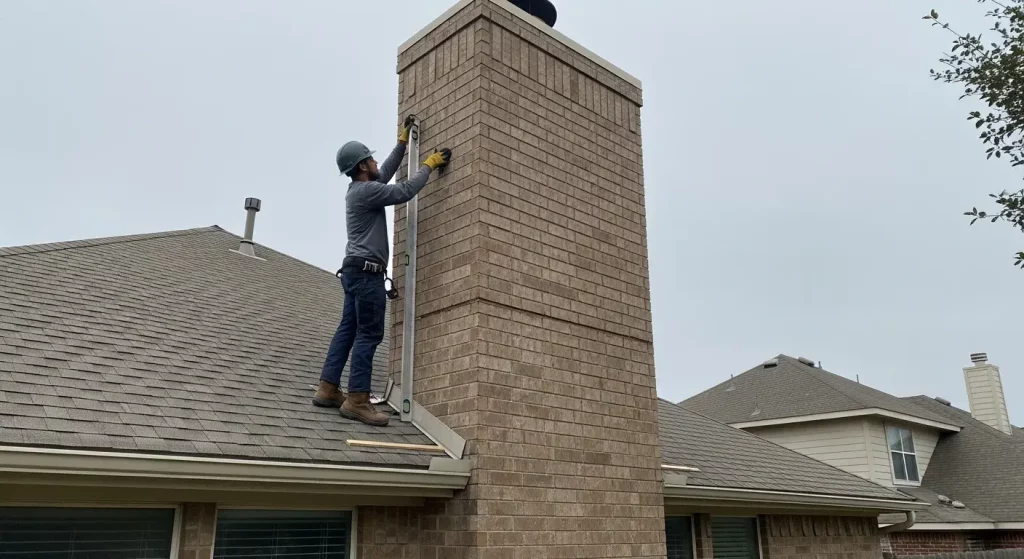
A leaning or crooked chimney represents one of the most alarming structural issues a homeowner can face, raising immediate concerns about safety, property value, and the potential for catastrophic failure. The sight of a chimney that no longer stands vertically straight triggers justified anxiety, as this condition indicates underlying problems that extend beyond mere aesthetics. Understanding the causes of chimney misalignment and the available correction methods becomes essential for property owners who want to address this serious issue before it escalates into a dangerous situation requiring emergency intervention or complete chimney removal.
The question of how do you straighten a crooked chimney safely without structural damage requires careful consideration of multiple factors, including the severity of the lean, the underlying cause of the misalignment, and the current condition of the chimney structure itself. Many homeowners mistakenly believe that straightening a chimney involves simply pushing it back into place, but the reality involves complex structural engineering principles and specialized techniques that must account for foundation issues, masonry integrity, and the distribution of forces throughout the entire chimney system. Professional assessment and intervention become necessary to ensure that correction attempts don’t cause additional damage or create new safety hazards.
Understanding How Do You Straighten a Crooked Chimney: Primary Causes of Misalignment
Foundation settlement represents the most common cause of chimney leaning, occurring when the soil beneath the chimney footing compresses unevenly or shifts due to moisture changes. Chimneys are extraordinarily heavy structures, with full-height masonry chimneys weighing several tons, and this massive weight concentrates on relatively small footing areas. When soil conditions change due to prolonged drought, excessive rainfall, or poor compaction during original construction, the foundation can sink on one side while remaining stable on the other. This differential settlement creates the lean that property owners observe from ground level. Top Hat Chimney And Roofing regularly encounters foundation settlement as the primary culprit when homeowners ask how do you straighten a crooked chimney, and addressing the root cause requires foundation stabilization before any straightening attempts can succeed.
Inadequate or deteriorated footings fail to properly distribute chimney weight across sufficient soil area, leading to concentrated pressure points that accelerate settlement. Many older homes feature chimneys built on footings that don’t meet current building code requirements for depth, width, or reinforcement. These undersized footings gradually sink into the soil over decades, with the process accelerating during periods of soil saturation or freeze-thaw cycles. Chimney footings should extend below the frost line and spread loads across adequate surface areas, but shortcuts during original construction often create conditions that eventually result in the leaning that prompts homeowners to research how do you straighten a crooked chimney.
Soil erosion around chimney foundations removes supporting material and creates voids that allow footings to shift and tilt. Water runoff from roofs, improper grading around foundations, and broken gutters or downspouts can channel water directly against chimney footings. Over time, this water flow erodes soil and undermines the stable base that chimneys require. The resulting voids allow footings to tip into the eroded areas, creating visible leans that worsen during heavy rain events. Addressing these drainage issues forms a critical component of any comprehensive answer to how do you straighten a crooked chimney, as correcting the lean without fixing drainage simply delays inevitable recurrence.
Structural damage from impacts, lightning strikes, or seismic activity can suddenly displace chimney sections and create acute leaning conditions. While gradual settlement causes most chimney leans, sudden displacement from external forces occasionally occurs and presents different challenges for correction. Impact damage from falling trees, vehicle collisions, or severe wind events can knock chimneys out of plumb without necessarily damaging foundations. Lightning strikes sometimes fracture masonry and weaken structural integrity, allowing gravity to pull damaged sections into leaning positions. These acute displacement situations may offer more straightforward correction paths than settlement-related leans when professionals evaluate how do you straighten a crooked chimney.
Assessing Severity: When Straightening Remains Viable
Measurement techniques for quantifying chimney lean provide objective data that informs decision-making about whether straightening attempts are advisable. Professionals use plumb bobs, laser levels, and surveying equipment to precisely measure vertical deviation at various heights along the chimney structure. A chimney leaning less than two inches from true vertical over its full height may be a good candidate for straightening, while leans exceeding four inches often indicate such severe underlying problems that straightening becomes impractical. These measurements help answer how do you straighten a crooked chimney by first determining if straightening represents the best course of action compared to partial or complete rebuilding.
Masonry condition assessment evaluates whether the chimney structure can withstand straightening forces without crumbling or suffering additional damage. Severely deteriorated chimneys with crumbling mortar, spalling bricks, or internal flue damage cannot be straightened safely regardless of lean severity. The forces required to shift a multi-ton masonry structure back into vertical alignment create tremendous stress on every mortar joint and masonry unit. Top Hat Chimney And Roofing conducts thorough masonry evaluations before recommending straightening procedures, ensuring that structural integrity is sufficient to survive the correction process when homeowners inquire how do you straighten a crooked chimney.
Foundation evaluation determines whether the underlying support system can be stabilized sufficiently to maintain corrected alignment. If foundation problems that caused the original lean cannot be adequately remediated, straightening the chimney simply sets the stage for repeated leaning. Professionals examine footing dimensions, soil conditions, drainage patterns, and structural integrity of existing foundations. In many cases, foundation reinforcement or underpinning becomes necessary before straightening attempts make sense. This foundation work represents a critical element in understanding how do you straighten a crooked chimney while ensuring the correction lasts for decades rather than months.
Cost-benefit analysis comparing straightening expenses to partial or complete rebuilding helps homeowners make financially sound decisions. Straightening severely leaning chimneys can approach or exceed the cost of complete rebuilding in some situations, particularly when extensive foundation work is required. Additionally, rebuilt chimneys come with warranties on new work and offer opportunities to correct design flaws or upgrade materials. Professionals provide honest assessments of whether straightening makes economic sense or whether rebuilding represents better long-term value when property owners ask how do you straighten a crooked chimney.
Foundation Stabilization Methods for Supporting Straightened Chimneys
Helical pier systems provide deep foundation support by screwing steel shafts into stable soil layers far below the problematic surface soils. These piers advance through weak or settling soils until reaching load-bearing strata, then transfer chimney weight to these stable depths. Hydraulic equipment drives the helical plates into the ground while monitoring torque to verify adequate bearing capacity. Once installed to appropriate depths, these piers connect to the existing chimney footing through steel brackets that distribute loads. This method answers how do you straighten a crooked chimney by first creating a stable foundation platform that won’t allow recurrence of settlement-related leaning.
Push pier installations drive steel tubes through failing soils until reaching refusal in competent bearing strata, creating new load paths that bypass problematic surface conditions. Unlike helical piers that screw into soil, push piers use the existing structure’s weight as reaction force to drive tubes downward. Once reaching stable soil, the piers support the chimney through hydraulic lifting that can simultaneously raise settled footings back toward original elevations. This dual function of stabilization and lifting makes push piers particularly effective when addressing how do you straighten a crooked chimney that has settled significantly.
Slab jacking or mud jacking injects pressurized grout beneath settled footings to fill voids and lift sunken foundations back toward level. This technique works best for chimneys that have settled uniformly or have relatively minor lean angles. The injection process fills eroded cavities and provides new bearing support, while controlled injection pressure gradually raises the footing. Top Hat Chimney And Roofing sometimes recommends this approach for modest settlement situations where soil conditions remain generally stable and straightforward void filling can restore adequate support. This method represents one answer to how do you straighten a crooked chimney when foundation problems are less severe.
Footing extension and reinforcement increases bearing area and adds structural strength to inadequate original footings. This approach involves excavating around existing footings and pouring new concrete extensions that enlarge the bearing surface. Steel reinforcement connects new concrete to old, creating unified footing systems with improved load distribution. While this method doesn’t provide the deep support of pier systems, it effectively addresses situations where adequate bearing soil exists at footing depth but the original footing was simply too small. Understanding these options helps answer how do you straighten a crooked chimney by addressing various foundation failure mechanisms.
Structural Straightening Techniques and Equipment
Hydraulic jack systems provide controlled force application for gradually shifting chimney structures back toward vertical alignment. Heavy-duty jacks positioned against stable reaction points apply measured pressure that overcomes the friction and weight holding the chimney in its leaning position. Technicians monitor movement carefully, advancing the straightening process in small increments over hours or days to avoid sudden stress that could fracture masonry. This gradual approach represents the safest method when professionals evaluate how do you straighten a crooked chimney without causing additional damage during the correction process.
Cable and winch systems offer alternative force application methods for certain chimney configurations and site conditions. Steel cables attach to the chimney structure at points above the lean, while winches anchored to stable reference points provide pulling force. This method works particularly well for chimneys leaning away from houses or other structures that could provide reaction points for jacks. The distributed pulling force from cables can be gentler on masonry than concentrated jack pressure in some circumstances. Both approaches have appropriate applications depending on specific site conditions when determining how do you straighten a crooked chimney.
Excavation and underpinning work hand-in-hand with straightening efforts to provide access to foundations and create opportunities for stabilization work. Careful excavation around chimney footings exposes the foundation elements while avoiding disturbance to remaining soil support. Temporary shoring may be required to support adjacent structures during this excavation phase. The exposed footings can then receive reinforcement, extensions, or pier connections before backfilling with properly compacted material. This excavation work represents essential groundwork for understanding how do you straighten a crooked chimney through foundation-focused approaches.
Monitoring systems track movement during and after straightening operations to ensure processes proceed safely and verify that corrections remain stable. Precision measurement equipment detects even minute movements that might indicate problems developing during straightening attempts. Post-straightening monitoring continues for weeks or months to confirm that the corrected alignment remains stable and that foundation improvements are performing as designed. This ongoing verification provides confidence that the answer to how do you straighten a crooked chimney has been successfully implemented without creating new problems.
Masonry Repair and Reinforcement During Straightening
Mortar joint restoration becomes necessary when straightening forces stress joints and cause cracks or separations to develop. The movement involved in correcting chimney alignment inevitably affects mortar joints, particularly those already weakened by age or weathering. Professional masons repoint damaged joints using appropriate mortar mixes that match original material properties. This repointing work should occur immediately after straightening while the chimney remains braced and before loads fully transfer back to the corrected structure. Comprehensive mortar work forms an essential element of how do you straighten a crooked chimney while preserving long-term structural integrity.
Crack repair addresses fractures that either contributed to the original leaning or developed during straightening operations. Masonry cracks that penetrate through bricks or blocks require more aggressive intervention than simple mortar joint damage. Depending on crack severity and location, repairs might involve removing and replacing damaged masonry units, installing steel reinforcement, or injecting epoxy into crack voids. Top Hat Chimney And Roofing evaluates every crack discovered during straightening projects to determine appropriate repair methods. These repairs ensure that the answer to how do you straighten a crooked chimney includes addressing all structural damage rather than simply correcting the visible lean.
Internal flue repair restores the critical smoke-venting function that may have been compromised by chimney movement. Leaning chimneys often develop gaps, offsets, or cracks in flue tiles that allow dangerous combustion gases to escape into living spaces. Clay tile relining, stainless steel liner installation, or cast-in-place liner systems can restore safe venting capabilities after straightening corrects the structural alignment. These internal repairs represent hidden but essential components of comprehensive answers to how do you straighten a crooked chimney while ensuring the structure remains safe for its intended purpose.
External reinforcement using steel straps, rods, or helical wall ties adds strength to chimneys weakened by leaning and straightening stresses. These reinforcement elements help distribute loads, resist future movement, and strengthen areas that suffered damage during the lean or correction process. Proper installation requires structural engineering knowledge to ensure reinforcement enhances rather than compromises chimney performance. Understanding these reinforcement options provides more complete answers to how do you straighten a crooked chimney in ways that enhance future stability.
Real Experience from a Dedicated Team Member
One particular job stands out as a powerful reminder of why this work carries such profound importance—a elderly couple who had watched their chimney gradually lean over fifteen years, increasingly worried that it would collapse through their roof or worse, cause a fire that could destroy their home and threaten their lives. The fear in their voices during that initial consultation was palpable, and they had resigned themselves to the belief that their beloved family home, where they had raised children and celebrated decades of memories, would need to lose this central architectural feature that had warmed countless family gatherings. When the team from Top Hat Chimney And Roofing successfully stabilized the foundation, carefully straightened the chimney back to vertical alignment, and reinforced the structure to ensure it would remain stable for decades to come, the relief and joy those homeowners expressed brought genuine tears. The husband, his voice breaking with emotion, shared that he could finally sleep peacefully knowing his wife was safe and that the fireplace his children had gathered around every Christmas morning was preserved. Seeing their faces light up when the project completed successfully, knowing that engineering expertise and careful craftsmanship had literally saved a piece of their family history, reinforced the deep sense of purpose that comes with this challenging work. That experience serves as a constant reminder that behind every technical question about structural engineering and masonry repair are real families whose safety, security, and cherished memories depend on getting these difficult projects exactly right.
Alternative Solutions When Straightening Proves Impractical
Partial rebuilding removes and reconstructs the leaning portions of chimneys while preserving sound lower sections. This approach makes sense when chimney bases remain stable but upper portions have leaned beyond practical correction limits. Careful deconstruction preserves usable materials while removing damaged sections, and rebuilding uses both salvaged and new materials to create structurally sound upper portions. This hybrid approach often provides better value than attempting to straighten severely leaning structures when professionals evaluate how do you straighten a crooked chimney versus considering alternatives.
Complete chimney removal and rebuilding offers opportunities to correct original design flaws, upgrade materials, and ensure decades of future service. While this represents the most expensive option, it eliminates all existing problems and comes with warranties on new work. Modern building codes and improved materials available today often result in rebuilt chimneys that outperform original construction. For severely compromised chimneys, rebuilding may actually cost less than attempting complex straightening procedures with uncertain outcomes. Honest professionals discuss this option when homeowners ask how do you straighten a crooked chimney but straightening doesn’t represent the best solution.
Chimney removal and alternative venting systems represent practical solutions for homeowners no longer using fireplaces for heating. Direct-vent gas fireplaces, through-wall venting for furnaces, and other modern venting technologies can eliminate the need for traditional chimneys entirely. Removing problematic chimneys eliminates ongoing maintenance concerns and creates opportunities for architectural redesign. While this option doesn’t answer how do you straighten a crooked chimney, it solves the underlying problem by removing the chimney completely when straightening proves impractical and the chimney no longer serves essential functions.
Prevention Strategies for Maintaining Vertical Alignment
Drainage management around chimney foundations prevents the soil erosion and saturation that contribute to settlement and leaning. Proper grading that slopes away from chimneys, functioning gutters and downspouts that direct water away from foundations, and drainage systems that handle roof runoff all protect against conditions that cause settlement. Homeowners who proactively manage drainage rarely need to ask how do you straighten a crooked chimney because their chimneys remain properly supported and vertical throughout their service lives.
Regular inspection programs detect early signs of movement before minor leans become major structural problems. Annual professional inspections that include checking plumb alignment, examining footings for settlement signs, and evaluating masonry condition catch problems early when interventions remain simple and inexpensive. Top Hat Chimney And Roofing recommends consistent inspection schedules that identify concerns before they escalate into situations requiring extensive straightening procedures. This preventive approach represents the best strategy for avoiding ever needing to learn how do you straighten a crooked chimney.
Proper original construction with adequate footings, quality materials, and attention to drainage creates chimneys that remain vertical for generations. While homeowners cannot control how their chimneys were originally built, those planning new construction or chimney rebuilds should insist on exceeding minimum code requirements. Investing in proper foundations, quality masonry work, and thoughtful site drainage during construction eliminates most factors that eventually force property owners to research how do you straighten a crooked chimney decades later.
Professional Expertise Requirements for Safe Straightening
Structural engineering knowledge ensures that straightening procedures account for load distribution, stress limits, and material properties. Moving multi-ton masonry structures creates complex force interactions that require professional engineering analysis. Attempting straightening without proper engineering input risks catastrophic failure during correction attempts or shortly thereafter. This expertise represents a non-negotiable requirement when seriously addressing how do you straighten a crooked chimney rather than simply attempting amateur corrections.
Specialized equipment access provides the hydraulic power, measurement precision, and safety features necessary for controlled straightening operations. The jacks, winches, monitoring systems, and foundation tools required for professional straightening work represent significant investments that only established contractors maintain. Top Hat Chimney And Roofing invests in proper equipment because improvised approaches to how do you straighten a crooked chimney typically result in additional damage or incomplete corrections that fail within months.
Masonry expertise ensures that chimney structures survive straightening stresses and receive appropriate repairs for damage discovered or created during correction work. Understanding traditional and modern masonry techniques, mortar chemistry, and material compatibility becomes essential when restoring chimney integrity after straightening. This specialized knowledge distinguishes professional outcomes from amateur attempts when implementing solutions to how do you straighten a crooked chimney.
Licensing and insurance protection safeguard homeowners from liability and ensure that contractors meet regulatory requirements. Straightening chimneys involves significant risks of property damage and personal injury if procedures go wrong. Working only with properly licensed and insured professionals protects property owners from financial exposure while ensuring work meets applicable building codes. This protection represents critical risk management when hiring professionals to address how do you straighten a crooked chimney.
Long-Term Monitoring and Maintenance After Straightening
Settlement monitoring for the first year after straightening confirms that foundation improvements are performing as designed and that corrected alignment remains stable. Professionals establish reference benchmarks and take periodic measurements that detect any resumption of settlement or leaning. Early detection of renewed movement allows intervention before minor shifts become major problems requiring additional extensive work. This monitoring validates that the approach taken to answer how do you straighten a crooked chimney successfully addressed underlying causes rather than just treating symptoms.
Structural inspections verify that masonry repairs remain sound and that no new damage develops from stresses created during straightening. Even properly executed straightening creates unusual stress patterns as structures adjust to corrected positions. Professional inspections identify any problems developing from these adjustment stresses while they remain minor and easily corrected. These follow-up inspections represent essential components of responsible answers to how do you straighten a crooked chimney.
Warranty compliance activities ensure that homeowners fulfill any requirements for maintaining coverage on work performed. Professional straightening work typically comes with warranties covering foundation systems, masonry repairs, and overall structural performance. These warranties often require periodic inspections and proper maintenance to remain valid. Understanding and complying with warranty terms protects the investment made in addressing how do you straighten a crooked chimney through professional intervention.
Documentation maintenance creates valuable records of work performed, monitoring results, and inspection findings. This documentation serves multiple purposes including insurance claims, real estate transactions, and planning future maintenance. Comprehensive records demonstrate responsible stewardship and provide evidence that proper procedures were followed when addressing chimney problems. Maintaining thorough documentation represents a best practice following any work to answer how do you straighten a crooked chimney.
Timeline and Process Overview for Straightening Projects
Initial assessment and engineering analysis typically requires one to three weeks depending on project complexity and consultant availability. This critical planning phase establishes whether straightening makes sense, what approaches offer the best success probability, and what the project will involve. Rushing this analysis phase often results in inadequate plans that fail during execution. Taking adequate time for proper assessment represents the foundation of successful answers to how do you straighten a crooked chimney.
Permitting and approval processes vary by jurisdiction but generally add two to six weeks to project timelines. Building departments review engineering plans, verify that proposed work meets codes, and issue permits authorizing construction to proceed. While homeowners often find permit processes frustrating, they provide important oversight ensuring that work meets minimum safety standards. Compliance with permitting requirements protects property values and ensures legal methods are used when addressing how do you straighten a crooked chimney.
Foundation stabilization work typically requires one to two weeks depending on pier quantities, soil conditions, and weather. This phase cannot be rushed, as proper installation of helical piers, push piers, or other foundation systems requires careful attention to installation depths, torque values, and load transfer procedures. Foundation work represents the critical element that determines whether straightening will succeed long-term when professionals implement solutions to how do you straighten a crooked chimney.
Straightening and masonry repair operations generally span one to three weeks depending on chimney size and damage extent. The actual movement process proceeds gradually over hours or days, while associated masonry repairs can be quite time-consuming. Weather conditions significantly affect masonry work timelines, as mortar requires appropriate temperature and humidity conditions for proper curing. Realistic timeline expectations help homeowners plan appropriately when undertaking work to answer how do you straighten a crooked chimney.
The complex engineering and construction challenges involved in chimney straightening demonstrate why this work demands professional expertise rather than amateur attempts. From foundation stabilization that addresses root causes to controlled straightening procedures that avoid additional damage, every aspect requires specialized knowledge and equipment. Top Hat Chimney And Roofing brings comprehensive capabilities to straightening projects, combining structural engineering expertise, specialized equipment, and masonry craftsmanship to deliver successful outcomes. Property owners facing crooked chimney situations should understand that while straightening remains possible in many circumstances, the work requires careful assessment to determine if correction represents the best approach compared to alternatives like rebuilding. The investment in proper professional intervention delivers decades of continued service from straightened chimneys while ensuring safety and structural integrity. By understanding the factors that determine whether and how do you straighten a crooked chimney, homeowners can make informed decisions that protect their properties and families while preserving these important architectural features when straightening proves viable.
