
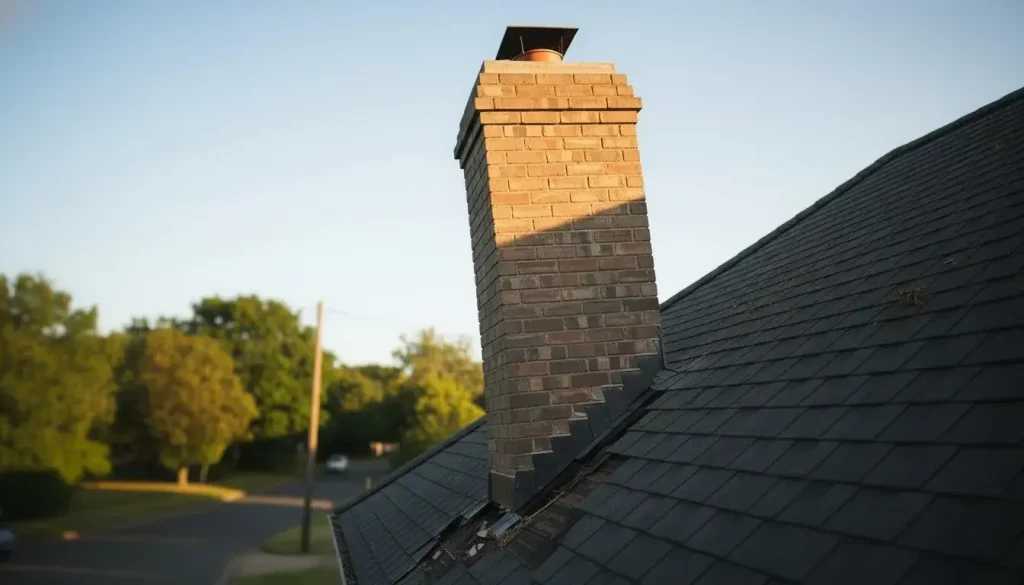
A leaning chimney represents one of the most alarming structural issues a homeowner can encounter, signaling serious underlying problems that demand immediate attention and expert intervention. When a chimney begins to tilt away from its vertical position, the visible lean indicates foundational instability, soil settlement, or structural deterioration that threatens not only the chimney itself but potentially the entire home’s integrity. Understanding how to fix a leaning chimney requires comprehensive knowledge of masonry construction, foundation engineering, and the various forces that can cause these massive structures to shift from their original positions.
The consequences of ignoring a leaning chimney extend far beyond aesthetic concerns, creating genuine safety hazards that can result in catastrophic failure. A chimney pulling away from the main structure compromises the weatherproofing of the home, allows water infiltration into wall cavities, and creates gaps where combustion gases can escape into living spaces. In extreme cases, a severely leaning chimney can collapse entirely, causing extensive property damage and potentially injuring occupants or passersby. The urgency of addressing this problem cannot be overstated, as delays in remediation typically result in exponentially more expensive repairs as the condition progressively worsens.
How to Fix a Leaning Chimney by First Understanding Root Causes
Foundation settlement stands as the most common culprit behind chimney leaning, occurring when the soil supporting the chimney footing compresses unevenly or erodes away. Chimneys are extraordinarily heavy structures, often weighing several tons, concentrating enormous loads on relatively small footprints. When the soil beneath cannot adequately support this weight, differential settlement occurs, causing one side of the foundation to sink while the other remains stable. Understanding how to fix a leaning chimney begins with identifying whether foundation issues are responsible for the tilt, as this determination shapes the entire remediation strategy.
Soil conditions vary dramatically based on geographic location, with clay soils particularly problematic due to their tendency to expand when wet and contract during dry periods. This cyclical expansion and contraction creates movement in chimney foundations, gradually destabilizing structures over years or decades. Sandy soils can wash away through erosion, especially when downspouts or poor grading direct water toward chimney foundations. Professional assessment of soil composition and moisture patterns provides critical information for anyone learning how to fix a leaning chimney properly and permanently.
Poor initial construction practices contribute to many leaning chimney problems, particularly in older homes where building codes were less stringent or improperly enforced. Inadequate footing depth, insufficient reinforcement, or footings poured directly on topsoil rather than undisturbed subsoil create weak foundations prone to failure. Chimneys built without proper ties to the main structure lack the lateral support needed to resist the forces that cause leaning. Top Hat Chimney And Roofing frequently encounters these construction deficiencies when evaluating how to fix a leaning chimney in older residential properties.
Water damage accelerates foundation deterioration through several mechanisms, making moisture management essential for long-term chimney stability. Saturated soil loses bearing capacity, allowing footings to sink under the chimney’s weight. Water infiltrating the foundation itself causes freeze-thaw damage in cold climates, gradually breaking apart concrete and mortar. Poor surface drainage, leaking gutters, or inadequate chimney waterproofing all contribute to the moisture problems that destabilize chimney foundations. Addressing these water issues forms a critical component of any strategy for how to fix a leaning chimney effectively.
Conducting Thorough Assessment Before Attempting Repairs
Visual inspection from multiple vantage points reveals the extent and direction of the lean, providing essential baseline information for repair planning. Homeowners should examine the chimney from ground level on all sides, looking for gaps between the chimney and the main structure, cracks in the masonry, or obvious tilting. Viewing from inside the attic often reveals separation that isn’t visible externally, showing how the chimney has pulled away from framing members. These preliminary observations inform professionals about how to fix a leaning chimney specific to each unique situation.
Measurement techniques using levels, plumb lines, or laser measurement tools quantify the degree of lean and establish reference points for monitoring. A vertical deviation of even half an inch per foot of height indicates significant structural problems requiring urgent attention. Professional evaluations document precise measurements at multiple heights, creating a comprehensive picture of how the chimney is moving. These measurements guide decisions about whether the chimney can be stabilized in place or requires complete rebuilding as part of the plan for how to fix a leaning chimney.
Foundation excavation and inspection reveals the condition of the footing and the soil supporting it, uncovering problems invisible from above ground. Professionals dig exploratory trenches alongside the chimney foundation, exposing the footing for visual examination. This investigation identifies cracks in the concrete, determines footing depth and width, and reveals soil conditions. The information gathered through foundation inspection proves indispensable for developing effective strategies for how to fix a leaning chimney with appropriate structural interventions.
Structural engineering consultation provides expert analysis of the forces involved and professional recommendations for remediation approaches. Complex leaning chimney situations benefit from formal engineering assessment, particularly when the lean is severe or when the chimney serves critical venting functions for heating equipment. Engineers calculate load distributions, analyze soil bearing capacity, and design repair systems that address the specific failure mechanisms at work. Top Hat Chimney And Roofing collaborates with structural engineers when determining how to fix a leaning chimney in the most challenging situations.
Stabilization Methods for Moderately Leaning Chimneys
Foundation underpinning extends the existing chimney footing to deeper, more stable soil layers, providing the solid bearing surface needed to prevent further movement. This technique involves excavating beneath the existing foundation in sections and pouring new concrete that reaches undisturbed soil below the frost line. The new deeper foundation transfers the chimney’s weight to competent soil, stopping the settlement that caused the lean. Professional contractors experienced in how to fix a leaning chimney through underpinning work systematically to avoid destabilizing the structure during the repair process.
Helical piers or push piers driven deep into stable soil strata offer modern solutions for stabilizing failing chimney foundations. These steel pier systems transfer structural loads through weak surface soils to solid bearing layers far below. Hydraulic equipment drives the piers to refusal in competent soil, then brackets connect the pier system to the existing foundation. Once installed, the piers can sometimes be used to lift and level the chimney back toward its original position. This approach has become increasingly popular for how to fix a leaning chimney when traditional underpinning isn’t feasible.
Grouting and soil stabilization inject cement-based or chemical grouts into the soil beneath foundations, increasing bearing capacity and filling voids. This technique addresses settlement caused by loose or eroded soil without requiring extensive excavation. Grout injection increases soil density and creates a more stable platform for the chimney foundation. While not appropriate for all situations, grouting represents a less invasive option when determining how to fix a leaning chimney with moderate foundation problems.
External bracing systems use steel or engineered lumber to provide lateral support that prevents further leaning while foundation repairs are completed. Temporary or permanent bracing attached to both the chimney and stable portions of the home’s structure restrains movement during remediation. These systems must be carefully engineered to avoid creating new stress points or transferring problematic loads to the main structure. Professionals evaluating how to fix a leaning chimney often recommend bracing as part of a comprehensive stabilization strategy.
Rebuilding Severely Compromised Chimneys
Complete demolition and reconstruction becomes necessary when the lean has progressed beyond the point where stabilization alone can restore safety and functionality. Severely leaning chimneys often exhibit extensive cracking, mortar deterioration, and separation that make them unsalvageable through repair alone. The decision to rebuild rather than repair requires careful cost-benefit analysis, considering both immediate expenses and long-term reliability. Understanding when rebuilding represents the most appropriate approach to how to fix a leaning chimney prevents throwing money at inadequate repair attempts.
Foundation replacement establishes a proper footing system designed to prevent future settlement and support the rebuilt chimney. New foundations incorporate current building code requirements for depth, width, reinforcement, and soil preparation. Engineers specify footing dimensions based on actual soil conditions and anticipated loads, ensuring adequate bearing capacity. Proper foundation construction represents the most critical element of how to fix a leaning chimney through complete rebuilding, as foundation failures caused the original problem.
Structural ties connecting the rebuilt chimney to the home’s framing provide lateral support and prevent the independent movement that leads to leaning. Modern building codes require these ties at specific intervals throughout the chimney’s height, creating an integrated system rather than a freestanding stack. Metal straps, anchors, or specialized connectors accommodate the different expansion rates of masonry and wood framing while maintaining structural connection. These ties form an essential component of current best practices for how to fix a leaning chimney permanently.
Material selection for rebuilt chimneys balances aesthetic preferences with structural requirements and long-term durability. Brick, stone, or block construction each offers distinct advantages depending on the application and architectural context. Modern masonry materials often provide superior weather resistance and structural performance compared to historic materials. Top Hat Chimney And Roofing helps homeowners navigate material choices when planning how to fix a leaning chimney through reconstruction, ensuring selections meet both functional and aesthetic goals.
Waterproofing and Drainage Solutions
Crown repair or replacement creates a proper cap that sheds water away from the chimney structure, preventing the moisture infiltration that contributes to foundation problems. Chimney crowns should slope away from the flue opening and extend beyond the chimney’s edges to direct water away from masonry surfaces. Cracks or inadequate crowns allow water to penetrate the chimney structure, accelerating deterioration and foundation failure. Addressing crown deficiencies represents an important element of how to fix a leaning chimney by eliminating ongoing moisture damage.
Flashing installation creates watertight seals where the chimney penetrates the roof, preventing water from entering the home at this vulnerable junction. Properly installed step flashing and counter flashing accommodate the independent movement of the chimney and roof while maintaining weather protection. Failed or inadequate flashing allows water to run down the exterior of the chimney and saturate the foundation. Ensuring proper flashing forms part of a comprehensive approach to how to fix a leaning chimney by controlling moisture.
Surface water management through proper grading and downspout placement directs water away from the chimney foundation, preventing soil saturation and erosion. Ground surfaces should slope away from the chimney on all sides, carrying surface runoff away from the foundation zone. Downspouts must discharge well away from chimneys rather than concentrating water near foundations. These drainage improvements address the underlying moisture problems that often contribute to the conditions necessitating learning how to fix a leaning chimney.
Waterproofing treatments applied to masonry surfaces reduce water absorption that leads to freeze-thaw damage and structural deterioration. Breathable masonry sealers allow water vapor to escape while preventing liquid water penetration. These treatments extend the life of masonry materials and reduce the moisture-related damage that compromises chimney stability. Regular application of quality waterproofing products represents preventive maintenance that can forestall the conditions requiring homeowners to discover how to fix a leaning chimney.
Employee Testimonial Reflecting Real-World Impact
There was one particular situation that remains deeply etched in memory—an elderly couple who had lived in their home for forty-three years noticed their chimney pulling away from the house but felt overwhelmed and frightened by what repairs might entail. When the team arrived for the assessment, the homeowner broke down explaining that this was the home where they’d raised their children, where grandchildren now visited, and they couldn’t bear the thought of losing it to structural failure. The chimney had been leaning for years, progressively worsening, and they’d been terrified to address it because of fear about the complexity and disruption. Walking them through each step of how the stabilization would work, showing them the foundation issues causing the problem, and explaining how modern pier systems could permanently resolve the situation brought visible relief to their faces. Over the following weeks, watching that chimney stabilize and seeing the couple’s anxiety transform into joy and gratitude provided a profound reminder of why this work matters so deeply. They sent a heartfelt letter afterward explaining that the team from Top Hat Chimney And Roofing hadn’t just fixed their chimney—they’d given them back their peace of mind and the confidence that their beloved home would stand strong for years to come. The tears of gratitude in that homeowner’s eyes when the final inspection confirmed complete structural stability represented the most meaningful thanks any craftsman could receive, reinforcing that this profession involves far more than just bricks and mortar—it’s about protecting families and preserving the homes where their most precious memories live.
Preventing Future Chimney Leaning Through Proactive Measures
Regular inspections identify developing problems before they progress to the point of causing visible leaning, allowing early intervention that prevents major structural failures. Annual professional examinations of chimney condition, foundation integrity, and structural connections catch warning signs like minor cracks, slight settlement, or emerging separation. These early indicators signal problems that can be addressed through relatively minor interventions, avoiding the extensive work required for how to fix a leaning chimney once severe tilting develops.
Maintenance of water management systems ensures that drainage infrastructure continues protecting chimney foundations from moisture damage. Gutters require cleaning and repair to prevent overflow that saturates foundation soils. Downspout extensions need periodic inspection to ensure they remain properly positioned and functional. Surface grading can change over time through settling or landscaping, requiring adjustment to maintain proper drainage away from chimneys. Consistent attention to these moisture control systems prevents many of the conditions that eventually require learning how to fix a leaning chimney.
Vegetation management around chimney foundations prevents root intrusion that can destabilize footings and creates proper clearance for inspection and maintenance. Tree and shrub roots seeking moisture can penetrate foundation cracks and gradually displace soil. Dense plantings against chimney bases trap moisture and prevent proper air circulation that would otherwise dry masonry surfaces. Maintaining appropriate clearances and removing invasive vegetation protects foundation integrity and provides access for regular inspections that might reveal early signs of problems before they necessitate knowing how to fix a leaning chimney.
Prompt repair of minor damage prevents small problems from escalating into major structural failures requiring extensive remediation. Cracks in mortar joints, small foundation cracks, or minor settlements address easily when caught early. Delayed repairs allow water infiltration, freeze-thaw cycles, and progressive deterioration to expand minor defects into catastrophic failures. Top Hat Chimney And Roofing emphasizes proactive maintenance as the most cost-effective approach to avoiding the complex and expensive process of how to fix a leaning chimney.
Understanding the Limitations of DIY Approaches
Structural complexity of chimney systems exceeds the capabilities of typical homeowners, requiring specialized knowledge and equipment for safe, effective repairs. The combination of heavy masonry construction, foundation engineering, and building code compliance demands professional expertise. Amateur attempts at how to fix a leaning chimney often fail to address underlying causes, waste money on ineffective measures, or create new hazards through improper techniques. The potential consequences of failed chimney repairs—including collapse, fire hazards, and carbon monoxide intrusion—make professional intervention essential.
Safety risks associated with chimney work include falls from heights, structural collapse during demolition or repair, and exposure to hazardous materials. Working at roof height requires proper fall protection equipment and training that most homeowners lack. Partially dismantled or unstable chimneys can collapse unexpectedly during repair attempts, causing serious injuries. Many older chimneys contain asbestos materials that require specialized handling and disposal. These safety considerations make professional assistance necessary when addressing how to fix a leaning chimney rather than attempting owner-performed work.
Building code compliance ensures that repairs meet minimum safety standards and legal requirements for habitable structures. Jurisdictional building codes specify requirements for chimney construction, foundation design, and structural connections. Permits and inspections typically apply to chimney repairs, particularly those involving foundation work or substantial rebuilding. Professional contractors understand applicable codes and obtain necessary approvals, while homeowners attempting how to fix a leaning chimney themselves often overlook these requirements, creating legal liabilities and potential problems during home sales.
Insurance implications of improper repairs can void coverage for future damage related to chimney failures or create liability exposure if injuries result from defective work. Homeowners insurance policies typically exclude damage resulting from lack of maintenance or improper repairs. Documentation of professional repairs protects insurance coverage and demonstrates reasonable care in maintaining the property. The insurance considerations alone justify professional involvement when determining how to fix a leaning chimney rather than attempting amateur repairs.
Timeline Considerations for Chimney Stabilization Projects
Assessment phase duration depends on the complexity of the situation and whether engineering analysis or soil testing is required. Simple inspections might be completed in a few hours, while comprehensive evaluations including exploratory excavation and engineering review can take days or weeks. Obtaining structural engineering reports adds time to the process but provides essential information for developing appropriate repair strategies. Understanding these timeline factors helps homeowners plan appropriately when facing how to fix a leaning chimney and coordinate necessary work.
Permitting processes vary by jurisdiction but typically add days to weeks to project timelines before physical work can commence. Building departments review permit applications, sometimes requesting revisions or additional information before approval. Some jurisdictions require separate permits for demolition, foundation work, and reconstruction, each with its own approval timeline. Top Hat Chimney And Roofing manages permitting processes for clients, navigating local requirements efficiently while homeowners learn about how to fix a leaning chimney through professional services.
Weather dependencies affect scheduling for chimney work, particularly foundation excavation and concrete placement that require dry conditions. Precipitation can halt work and extend project timelines significantly during rainy seasons. Freezing temperatures prevent proper concrete curing and make some repair techniques impractical. Planning chimney stabilization projects during favorable weather windows avoids unnecessary delays when implementing strategies for how to fix a leaning chimney effectively.
Staged approach timelines allow complex projects to be completed in phases, potentially spreading costs across multiple budget cycles while ensuring continuous progress. Foundation stabilization might occur in one phase, followed by chimney rebuilding or repair in subsequent phases. This approach requires careful planning to ensure that each phase leaves the structure in a stable, weatherproof condition. Understanding phasing options helps homeowners manage the financial and logistical challenges of how to fix a leaning chimney when resources are constrained.
Long-Term Monitoring After Repair Completion
Crack monitoring using reference marks or mechanical monitoring devices tracks whether movement has been arrested or continues after repairs. Small marks or monitoring gauges installed across existing cracks reveal if expansion is ongoing. Progressive cracking after repairs indicates that the underlying problem hasn’t been fully addressed or that new issues are developing. Regular observation of these indicators provides early warning if additional intervention becomes necessary after initial attempts at how to fix a leaning chimney.
Level verification at regular intervals confirms that stabilization measures have successfully stopped the leaning and that no new movement is occurring. Annual measurements using the same methodology employed during initial assessment create a record of chimney position over time. Stability over several years following repairs indicates successful remediation, while continued movement suggests inadequate repairs or new problems. This long-term verification validates the effectiveness of the chosen approach to how to fix a leaning chimney.
Foundation inspection after freeze-thaw cycles or major weather events checks for new damage that might indicate vulnerability to environmental forces. Significant precipitation, flooding, or freeze-thaw activity can test repairs and reveal weaknesses in remediation work. Post-event inspections catch emerging problems early when they’re most easily addressed. This vigilance prevents minor issues from escalating into major failures requiring another round of learning how to fix a leaning chimney.
Documentation maintenance creates a comprehensive record of the chimney’s condition, repairs performed, and subsequent monitoring results. Detailed records prove valuable for insurance purposes, real estate transactions, and future repair planning. Photographs, inspection reports, and measurement data compiled over time tell the complete story of the chimney’s structural history. Top Hat Chimney And Roofing provides thorough documentation to clients who have addressed how to fix a leaning chimney through professional services, ensuring complete records for future reference.
Financial Considerations and Return on Investment
Property value impact of leaning chimney problems can be substantial, with severe structural issues dramatically reducing marketability and sale prices. Home inspections during real estate transactions invariably identify leaning chimneys as major defects requiring resolution before closing. Buyers often demand extensive price reductions or refuse to purchase properties with visible structural problems. Addressing how to fix a leaning chimney before listing a property for sale protects equity and ensures smoother transactions.
Repair cost factors include the severity of the lean, accessibility of the site, foundation depth required, and whether rebuilding is necessary. Minor stabilization of slightly leaning chimneys costs substantially less than complete foundation replacement and chimney reconstruction. Site conditions that complicate equipment access or require special measures to protect landscaping increase expenses. Understanding these cost drivers helps homeowners budget appropriately when planning how to fix a leaning chimney.
Insurance claim considerations may provide partial coverage for chimney repairs depending on the cause of damage and policy specifics. Sudden damage from events like earthquakes or foundation heave might be covered, while gradual deterioration from deferred maintenance typically isn’t. Reviewing policy coverage and documenting conditions thoroughly supports claims when applicable. Consultation with insurance professionals before beginning work on how to fix a leaning chimney clarifies coverage questions.
Financing options for substantial chimney repairs include home equity loans, home improvement loans, or contractor financing programs. The significant costs associated with foundation stabilization and chimney reconstruction often exceed homeowners’ liquid reserves. Various financing mechanisms make these necessary repairs feasible even when immediate cash isn’t available. Exploring financing alternatives helps homeowners address how to fix a leaning chimney without delay while managing cash flow.
Professional Expertise Versus General Contractors
Specialized knowledge in masonry and foundation engineering distinguishes chimney professionals from general contractors who may lack specific expertise. The unique challenges of chimney construction, including proper flue sizing, code compliance for venting appliances, and specialized masonry techniques, require dedicated training. Foundation stabilization for these heavy, concentrated loads demands understanding of soil mechanics and structural engineering. These specialized competencies make chimney professionals better qualified to address how to fix a leaning chimney than general construction contractors.
Equipment requirements for chimney foundation work include excavation machinery, concrete pumping equipment, and pier installation systems that specialized contractors maintain. The capital investment in specialized equipment and training to operate it efficiently justifies selecting contractors whose primary focus is chimney and foundation work. General contractors often lack this specialized equipment and must rent it or subcontract portions of the work. Direct engagement with specialists streamlines the process of how to fix a leaning chimney.
Industry certification and continuing education keep chimney professionals current with evolving techniques, materials, and code requirements. Organizations offering chimney-specific certifications require ongoing training and examination demonstrating competency. These credentials provide homeowners with confidence that contractors possess current knowledge applicable to how to fix a leaning chimney using best practices and modern methods.
Warranty and guarantee provisions from specialized chimney contractors often provide more comprehensive coverage than general contractors offer. Companies whose reputation depends specifically on chimney work have strong incentives to stand behind their repairs with meaningful guarantees. These warranties provide valuable protection and recourse if problems develop after addressing how to fix a leaning chimney through professional services.
Understanding how to fix a leaning chimney requires acknowledging the complexity of these structural problems and the specialized expertise necessary for effective remediation. From initial assessment through foundation stabilization, structural repair, and long-term monitoring, every phase demands knowledge and capabilities that most homeowners and even general contractors lack. The investment in professional services from established specialists like Top Hat Chimney And Roofing delivers safe, code-compliant repairs that address underlying causes rather than merely treating symptoms. The combination of structural engineering principles, masonry craftsmanship, and foundation expertise necessary for successful chimney stabilization justifies professional involvement regardless of initial cost considerations. Homeowners facing leaning chimney problems serve their interests best by seeking expert evaluation and remediation rather than attempting inadequate repairs or delaying necessary work until catastrophic failure occurs.
