

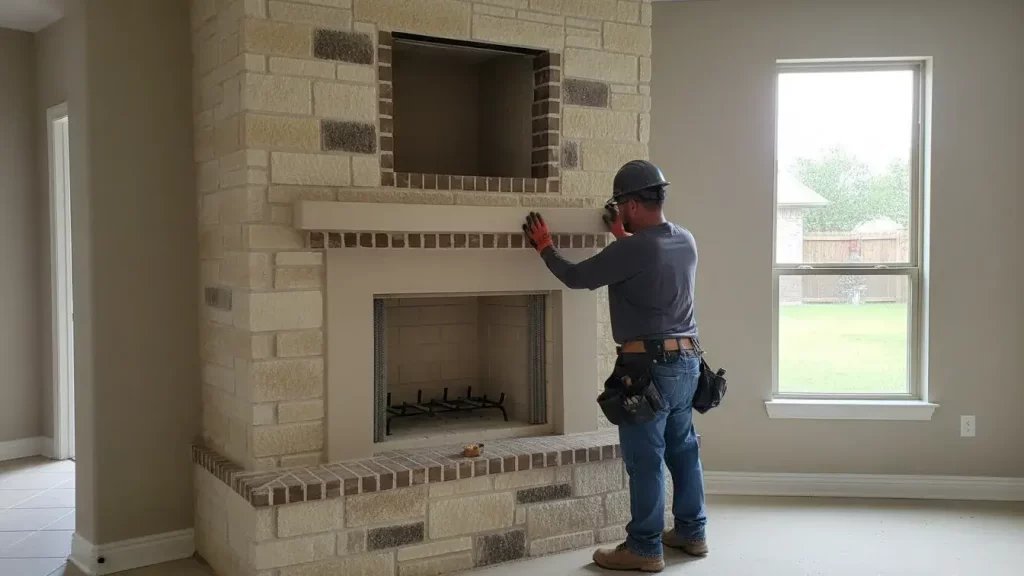
Houston homeowners seeking to enhance their outdoor living spaces often discover that adding a fireplace creates an inviting focal point for entertaining and relaxation. The process of outdoor fireplace installation in Houston requires careful planning to ensure the finished project meets both aesthetic desires and practical needs. Understanding the unique climate conditions, local regulations, and design considerations specific to the Houston area helps property owners make informed decisions that result in beautiful, functional outdoor spaces that can be enjoyed year-round.
Essential Site Selection Factors for Outdoor Fireplace Installation in Houston
Choosing the optimal location for an outdoor fireplace determines the success of the entire project. Property owners must evaluate multiple factors when selecting the perfect spot for their new outdoor feature. The first consideration involves assessing the relationship between the fireplace location and the main house structure. Positioning the fireplace too close to the home can create safety concerns and may violate local building codes, while placing it too far away diminishes its functionality as an extension of indoor living spaces.
Wind patterns play a crucial role in outdoor fireplace placement, particularly in Houston where Gulf breezes can affect smoke direction and flame behavior. Observing how wind moves through the yard during different seasons helps identify locations that minimize smoke interference with seating areas and neighboring properties. Additionally, the selected site should provide adequate clearance from overhead structures, tree branches, and power lines to ensure safe operation.
The relationship between the fireplace and existing landscape features requires thoughtful consideration. Top Hat Chimney And Roofing emphasizes the importance of evaluating how the fireplace integrates with pools, patios, gardens, and other outdoor amenities. Proper spacing between these elements creates distinct functional zones while maintaining visual harmony throughout the outdoor environment.
Drainage patterns significantly impact the longevity and performance of outdoor fireplaces. Houston’s heavy rainfall necessitates careful evaluation of how water flows across the property. Installing a fireplace in an area prone to standing water or poor drainage can lead to structural problems and premature deterioration. Professional assessment of soil conditions and water movement patterns helps identify locations that naturally shed water away from the fireplace foundation.
Understanding Houston Building Codes and Permit Requirements
Navigating the regulatory landscape represents a critical step in any outdoor fireplace installation in Houston. Harris County and various municipalities within the greater Houston area maintain specific codes governing outdoor fireplace construction. These regulations address setback requirements, which dictate minimum distances from property lines, structures, and combustible materials. Failure to comply with these requirements can result in costly modifications or removal of non-compliant installations.
Permit requirements vary depending on the fireplace type, size, and fuel source. Gas-fired outdoor fireplaces typically require both building permits and inspections by certified professionals to verify proper gas line installation and safety features. Wood-burning units may face additional restrictions related to air quality standards and emissions. Property owners benefit from researching local requirements early in the planning process to avoid delays and ensure compliance.
Homeowners associations often impose additional restrictions beyond municipal codes. These private regulations may govern fireplace design elements, including materials, colors, heights, and architectural styles. Reviewing HOA covenants before finalizing design plans prevents conflicts and potential legal issues. Top Hat Chimney And Roofing recommends obtaining written approval from homeowners associations before beginning construction to ensure all parties agree on the proposed design.
Fire safety codes establish specific requirements for combustible material clearances, spark arrestors, and fire extinguisher accessibility. These regulations protect both property and people from fire-related hazards. Professional installers familiar with local codes ensure all safety requirements are met during construction, providing peace of mind and legal compliance.
Design Styles That Complement Houston Architecture
The architectural diversity found throughout Houston neighborhoods offers homeowners numerous design directions for outdoor fireplace installation in Houston properties. Traditional brick fireplaces create timeless appeal that harmonizes with colonial, craftsman, and ranch-style homes prevalent throughout the area. The warm tones and classic masonry patterns of brick construction provide visual cohesion with many existing home exteriors while offering excellent heat retention and durability.
Contemporary designs featuring clean lines, metal accents, and minimalist aesthetics suit modern and transitional architecture. Stacked stone veneers in natural earth tones create rustic elegance that complements Mediterranean, Tuscan, and Hill Country-inspired homes. The texture and color variation in natural stone adds visual interest while maintaining a sophisticated appearance that elevates outdoor spaces.
Custom designs allow homeowners to express personal style while addressing specific functional requirements. Incorporating architectural elements from the main house, such as matching roof lines, column styles, or decorative details, creates visual continuity between indoor and outdoor spaces. Top Hat Chimney And Roofing specializes in custom outdoor fireplace designs that reflect homeowners’ unique preferences while maintaining structural integrity and optimal performance.
The scale of the fireplace must balance with the overall outdoor space and the home’s proportions. Oversized fireplaces can overwhelm modest yards, while undersized units may appear insignificant in expansive outdoor areas. Professional design consultation helps determine appropriate dimensions that create visual impact without dominating the landscape.
Fuel Source Selection and Utility Considerations
Deciding between wood-burning, natural gas, propane, or electric outdoor fireplaces influences both installation complexity and ongoing operational characteristics. Wood-burning fireplaces deliver authentic ambiance with crackling sounds and the distinctive aroma of burning wood. These traditional units require substantial chimney structures for proper ventilation and regular maintenance to remove ash and creosote buildup. Wood storage areas must be planned to keep fuel dry and accessible while maintaining aesthetic appeal.
Natural gas fireplaces offer convenience and cleaner burning compared to wood options. However, outdoor fireplace installation in Houston requiring natural gas connections necessitates professional gas line extension from existing service points. The location of current gas meters and the distance to the proposed fireplace site affect installation costs and complexity. Gas-fired units provide instant ignition, adjustable flame control, and minimal cleanup, making them attractive options for homeowners prioritizing convenience.
Propane systems provide flexibility for properties without natural gas service or where gas line extension proves impractical. Propane tanks can be concealed within fireplace structures or placed nearby with appropriate screening. Tank sizing depends on anticipated usage patterns and desired time between refills. Professional propane installations include proper regulator selection, leak detection systems, and compliance with safety standards specific to liquefied petroleum gas.
Electric fireplaces represent the most straightforward installation option, requiring only electrical service at the fireplace location. While electric units may lack the authentic flame appearance of gas or wood options, modern electric fireplaces feature realistic flame effects and supplemental heating capabilities. The absence of venting requirements and combustion byproducts simplifies installation and reduces ongoing maintenance needs.
Climate Adaptation for Houston’s Weather Patterns
Houston’s subtropical climate presents unique considerations for outdoor fireplace installation in Houston residences. The extended warm season allows for year-round outdoor fireplace enjoyment, unlike northern climates where outdoor features see limited seasonal use. This extended usability justifies investment in quality materials and construction methods that withstand frequent use and exposure to varied weather conditions.
High humidity levels characteristic of Houston’s climate require careful material selection to prevent moisture-related deterioration. Masonry materials must be properly sealed to resist water absorption that can lead to efflorescence, spalling, and structural damage. Metal components require corrosion-resistant finishes or materials such as stainless steel to maintain appearance and functionality despite constant exposure to humid air.
Intense summer heat and direct sunlight affect both fireplace materials and surrounding spaces. Light-colored materials help reflect solar radiation, keeping fireplace surfaces cooler during daytime hours. Strategic placement considerations include evaluating shade patterns throughout the day to maximize comfort in seating areas adjacent to the fireplace. Top Hat Chimney And Roofing incorporates climate-specific design elements that enhance comfort and extend the usable seasons for outdoor living spaces.
Heavy rainfall events common to the Houston area necessitate robust drainage solutions around outdoor fireplaces. Properly graded surfaces channel water away from fireplace foundations, while adequate roof coverage or built-in drainage features protect the firebox from direct rainfall. Some designs incorporate rain-proof dampers or covers that shield the firebox during storms while allowing easy access during dry conditions.
Material Selection for Durability and Aesthetic Appeal
The materials chosen for outdoor fireplace construction determine both visual impact and long-term performance. Brick remains a popular choice throughout Houston, offering proven durability, fire resistance, and classic appearance. Various brick colors, textures, and laying patterns provide design flexibility while maintaining the structural benefits of traditional masonry construction. Quality mortar joints and proper installation techniques ensure brick fireplaces withstand Houston’s climate challenges for decades.
Natural stone creates stunning visual statements with unique character found nowhere else. Limestone, sandstone, and granite each offer distinct appearances and performance characteristics suited to outdoor applications. Stone selection should consider factors including heat resistance, freeze-thaw durability (though less critical in Houston), and maintenance requirements. Properly installed stone veneers provide lasting beauty with minimal upkeep beyond periodic cleaning.
Cast stone and manufactured stone products offer consistency in appearance and often cost less than natural alternatives while providing similar visual appeal. These engineered materials combine cement, aggregates, and pigments to replicate natural stone appearances with greater uniformity. Modern manufacturing techniques produce highly realistic textures and colors that satisfy aesthetic preferences while offering reliable performance characteristics.
Stucco finishes provide smooth, monolithic appearances that complement Mediterranean and contemporary architectural styles. Stucco’s versatility allows for various color options and textured finishes while creating seamless integration with stucco-clad homes. Proper substrate preparation and application techniques ensure stucco finishes resist cracking and moisture intrusion common in improperly executed installations.
Integration with Outdoor Living Spaces
Successful outdoor fireplace installation in Houston properties considers how the fireplace functions within the broader outdoor environment. Seating arrangements should position guests to enjoy the fireplace’s warmth and ambiance while maintaining comfortable conversation distances. Built-in seating walls, freestanding furniture groupings, or a combination of both create flexible arrangements that accommodate various gathering sizes.
Lighting design enhances evening enjoyment of outdoor fireplaces while improving safety and security. Ambient lighting should complement rather than compete with fireplace glow, using techniques such as uplighting on surrounding trees or architectural features. Path lighting ensures safe navigation to and from the fireplace area, while accent lighting highlights landscape features and creates depth in outdoor spaces.
Outdoor kitchens and dining areas naturally pair with fireplaces to create comprehensive outdoor living environments. Top Hat Chimney And Roofing often designs projects incorporating fireplaces alongside grilling stations, refrigeration, and serving areas, allowing homeowners to prepare and enjoy meals entirely outdoors. This integration maximizes the functionality and value of outdoor investments while creating resort-style amenities at home.
Landscaping around outdoor fireplaces requires careful plant selection to ensure safety and minimize maintenance. Fire-resistant plants should be positioned closest to fireplace structures, while overhead vegetation requires adequate clearance to prevent heat damage and falling debris accumulation. Hardscaping elements such as patios, walkways, and retaining walls define spaces around fireplaces while reducing fuel loads that could contribute to fire hazards.
Chimney and Ventilation System Design
Proper ventilation represents a critical safety element in outdoor fireplace installation in Houston projects. Wood-burning fireplaces require substantial chimneys to create adequate draft for complete combustion and safe exhaust of smoke and gases. Chimney height calculations consider surrounding structures, roof lines, and prevailing wind patterns to ensure proper draft under various conditions.
Chimney construction must withstand intense heat while resisting weather-related deterioration. Multiple-wythe brick chimneys with adequate air spaces, proper flue lining, and weather-resistant caps provide reliable performance for wood-burning applications. Stainless steel flue systems offer lightweight alternatives with excellent corrosion resistance and heat management characteristics suitable for gas-fired applications.
Gas fireplace venting requirements differ significantly from wood-burning systems, with some models offering vent-free operation where permitted by local codes. Direct-vent gas fireplaces draw combustion air from outdoors and exhaust directly outside, eliminating indoor air quality concerns while maximizing heating efficiency. Proper vent sizing and routing ensure safe operation and optimal performance.
Spark arrestors and chimney caps prevent embers from escaping chimneys while excluding rain, debris, and animals from flue systems. These protective features are particularly important in Houston where strong winds can carry embers and heavy rains can damage unprotected chimney interiors. Quality caps feature corrosion-resistant construction and secure mounting systems that withstand severe weather events.
Foundation and Structural Requirements
Stable foundations provide essential support for outdoor fireplaces, preventing settling, cracking, and structural failure. Foundation design depends on fireplace size, construction materials, and local soil conditions. Houston’s expansive clay soils present unique challenges, as moisture fluctuations cause soil volume changes that stress inadequately designed foundations.
Pier and beam foundations extend below the zone of soil movement, anchoring fireplace structures to stable soil layers. This approach works well for substantial masonry fireplaces requiring robust support systems. Properly designed pier foundations include adequate depth, appropriate pier spacing, and sufficient beam sizes to distribute loads effectively.
Reinforced concrete slab foundations offer stable platforms for outdoor fireplaces when properly designed for local soil conditions. Adequate thickness, reinforcement placement, and subgrade preparation ensure slabs resist cracking under load and soil movement. Top Hat Chimney And Roofing evaluates site-specific conditions to recommend foundation systems that provide lasting stability for outdoor fireplace installations.
Proper drainage around foundations prevents water accumulation that accelerates soil movement and foundation problems. Gravel drainage layers, perimeter drains, and properly graded finished surfaces direct water away from foundation elements. These drainage features prove particularly important in Houston where heavy rainfall events deposit significant water volumes in short timeframes.
Maintenance Planning for Longevity
Establishing maintenance routines from the beginning extends the life and preserves the appearance of outdoor fireplaces. Regular cleaning removes ash, soot, and debris that can cause staining, deterioration, and operational problems. Frequency of cleaning depends on usage patterns and fuel types, with wood-burning fireplaces requiring more frequent attention than gas alternatives.
Annual inspections identify developing problems before they escalate into costly repairs. Professional inspections should evaluate structural integrity, mortar joint condition, flue system performance, and gas system safety for gas-fired units. Addressing minor issues promptly prevents progressive damage that compromises safety and functionality.
Sealing masonry surfaces protects against water intrusion and staining while enhancing appearance. Quality masonry sealers repel water without trapping moisture within materials, allowing structures to breathe while gaining protection from the elements. Resealing intervals depend on product selection and exposure conditions, with most sealers requiring reapplication every few years.
Seasonal maintenance tasks prepare outdoor fireplaces for changing conditions. Pre-winter preparations ensure structures withstand occasional freezing conditions that occur in Houston, while spring cleaning removes accumulated debris and prepares systems for increased warm-weather use. Covering fireplaces during extended periods of non-use protects interior surfaces from weather exposure and reduces cleaning requirements.
Safety Features and Considerations
Comprehensive safety planning protects people and property during outdoor fireplace use. Adequate clearances from combustible materials prevent fire spread from embers or radiant heat. Furniture, cushions, plants, and structures require sufficient distance from fireplace openings and exterior surfaces based on manufacturer recommendations and building codes.
Fire suppression equipment should be readily accessible near outdoor fireplaces. Appropriate extinguishers rated for the fuel type in use provide rapid response capability for small fires before they spread. Garden hoses with adequate pressure and flow serve as secondary suppression tools for larger fires, though professional fire department response remains essential for significant incidents.
Protective screening prevents embers from escaping wood-burning fireplaces while reducing direct contact risks. Screens should feature fine mesh that contains small sparks while maintaining adequate airflow for combustion. Handles and mounting systems must withstand repeated use and temperature cycling without failure.
Child and pet safety considerations influence design details and operational procedures. Raised hearths, protective barriers, and careful supervision prevent accidental contact with hot surfaces. Teaching children appropriate behavior around fire and establishing clear safety rules reduces risks while allowing families to enjoy outdoor fireplaces together.
A Testament to Quality and Care
One memorable project stands out among countless outdoor fireplace installations completed across the Houston area. A family had dreamed for years of creating an outdoor sanctuary where they could gather with loved ones, and the fireplace would serve as the heart of this space. From the initial consultation through final inspection, every detail received meticulous attention. The homeowners had specific visions combining traditional masonry with contemporary accents, and watching their ideas transform into reality brought tremendous satisfaction.
The installation required navigating challenging site conditions, including poor drainage and an awkward relationship with existing structures. Creative problem-solving and experienced craftsmanship overcame these obstacles, resulting in a stunning fireplace that exceeded expectations. On the final walkthrough, seeing the family’s faces light up with joy and excitement made all the hard work worthwhile. The father shared how he couldn’t wait to create memories with his children around the fireplace, teaching them to safely enjoy fire’s warmth while sharing stories under the stars.
That moment encapsulated why this work matters—it’s not just about building structures but creating spaces where life’s important moments unfold. Months later, receiving a message with photos of the family gathered around their fireplace during the holidays, smiles illuminated by firelight, confirmed the project’s success. These are the experiences that fuel passion for the craft and commitment to excellence on every project. Knowing that Top Hat Chimney And Roofing contributed to this family’s happiness and comfort makes the challenges of the work fade into insignificance.
Cost Factors and Budget Planning
Financial planning for outdoor fireplace installation in Houston requires understanding the various cost components involved in these projects. Material selection represents a significant portion of overall expenses, with natural stone and custom masonry commanding premium prices compared to manufactured alternatives. The scale and complexity of designs directly impact labor requirements and total project costs.
Site preparation expenses vary based on existing conditions and access challenges. Properties requiring extensive grading, drainage improvements, or difficult access for equipment and materials incur additional costs compared to straightforward installations. Foundation requirements specific to Houston’s soil conditions add expenses beyond those encountered in regions with more stable substrates.
Utility connections for gas-fired fireplaces include costs for extending gas lines, installing shutoff valves, and professional testing and inspection. Properties lacking nearby gas service face higher connection costs than those with existing infrastructure close to the desired fireplace location. Electrical requirements for lighting, gas ignition systems, or electric fireplaces add to total project investment.
Permitting fees, professional design services, and inspection costs represent additional budget considerations. While these expenses increase upfront investment, they ensure compliant installations that avoid future problems and potential removal of non-conforming work. Top Hat Chimney And Roofing provides detailed cost estimates that help homeowners make informed decisions aligned with their budgets and expectations.
Timeline Considerations for Project Completion
Understanding realistic timelines for outdoor fireplace installation in Houston helps homeowners plan appropriately and set reasonable expectations. Design development and permit acquisition can require several weeks depending on design complexity and municipal processing times. Custom designs featuring unique elements or requiring engineering input extend planning phases compared to standard installations.
Site preparation and foundation work depend heavily on weather conditions, with Houston’s wet seasons potentially causing delays. Adequate curing time for concrete foundations cannot be rushed without compromising structural integrity. Professional contractors schedule work around weather forecasts and maintain flexibility to adapt when conditions prove unfavorable.
Masonry construction proceeds methodically, with proper techniques requiring time for mortar to cure between courses and for structures to gain strength. Quality installations cannot be rushed without sacrificing workmanship and long-term performance. Seasonal factors influence scheduling, with moderate weather periods offering optimal conditions for masonry work.
Final inspections and commissioning complete the installation process, ensuring all systems function properly and meet safety standards. Gas systems require pressure testing and professional certification before use. Taking time to walk through completed projects with homeowners ensures they understand proper operation, maintenance requirements, and safety considerations.
Enhancing Property Value Through Outdoor Features
Well-designed outdoor fireplaces contribute significantly to property values and market appeal. Buyers increasingly prioritize outdoor living amenities when evaluating homes, recognizing the lifestyle benefits these features provide. Professional installations from established companies like Top Hat Chimney And Roofing add credibility and appeal that attracts potential buyers and supports premium pricing.
The quality of materials and craftsmanship directly impacts value contributions. Cheap installations using inferior materials or questionable construction techniques may actually detract from property values if buyers perceive them as maintenance liabilities requiring correction. Conversely, beautiful, well-built fireplaces become selling points that distinguish properties from competition.
Documentation of permits, inspections, and professional installation provides assurance to buyers regarding compliance and quality. Maintaining records throughout the installation process creates valuable documentation that supports property value and facilitates smooth real estate transactions. Undocumented or unpermitted work raises concerns that can derail sales or force price reductions.
Integration with overall landscape design maximizes value contributions by creating cohesive outdoor environments rather than isolated features. Outdoor fireplaces that anchor comprehensive outdoor living spaces deliver greater value than standalone installations disconnected from broader property functionality.
Customization Options for Personal Expression
Personal style expression through customization transforms standard outdoor fireplaces into unique focal points reflecting homeowner preferences. Custom mantel designs incorporating carved stone, decorative tile, or architectural salvage create distinctive visual statements. Built-in seating walls extending from fireplace structures provide integrated solutions combining function with aesthetic appeal.
Specialty finishes including venetian plaster, decorative concrete, or custom staining techniques add artistic elements that elevate standard materials. Lighting integration using LED strips, back-lit stone panels, or fiber optic stars creates dramatic effects that enhance evening ambiance. These creative touches distinguish custom installations from builder-grade alternatives.
Accessory elements including log storage compartments, tool hangers, and wood bins combine practical functionality with design opportunities. Decorative chimney caps featuring custom designs or architectural details complement home styles while serving protective functions. Top Hat Chimney And Roofing collaborates with homeowners to identify customization opportunities that reflect personal tastes while maintaining structural and functional requirements.
Multi-sided fireplaces or see-through designs create visual connections between distinct outdoor zones, allowing fire viewing from multiple vantage points. These specialized configurations require careful engineering to ensure proper ventilation and structural stability while delivering dramatic visual impact.
Professional Installation Versus DIY Approaches
The complexity of outdoor fireplace installation in Houston projects typically exceeds most homeowners’ skill levels and available time. Professional installation ensures compliance with building codes, proper construction techniques, and appropriate safety features. Experienced contractors bring specialized knowledge about local soil conditions, weather challenges, and regulatory requirements that prove difficult for DIY builders to replicate.
Insurance and liability considerations favor professional installation, as homeowner policies may not cover incidents arising from unpermitted or improperly constructed features. Professional contractors carry appropriate insurance protecting homeowners from construction-related claims and providing recourse if problems develop with completed work.
Access to specialized tools and equipment represents another advantage of professional installation. Masonry saws, mixing equipment, and material handling tools required for fireplace construction represent significant investments impractical for single projects. Professional teams work efficiently using appropriate equipment, completing projects faster than DIY efforts.
The physical demands of masonry construction and the risks associated with working at heights make professional installation the safer choice for most homeowners. Avoiding personal injury risks and the potential for costly mistakes that require correction justifies professional installation costs. Quality installations from experienced companies like Top Hat Chimney And Roofing provide peace of mind and lasting results that homeowners enjoy for years.
Houston homeowners investing in outdoor fireplace installations create valuable amenities that enhance property appeal, extend living spaces, and provide gathering places for family and friends. Thoughtful planning addressing site selection, design integration, material choices, and professional installation ensures these features deliver lasting beauty, functionality, and value. Whether seeking traditional masonry elegance or contemporary design sophistication, outdoor fireplaces transform Houston properties into personal retreats offering comfort and ambiance throughout the year.
