

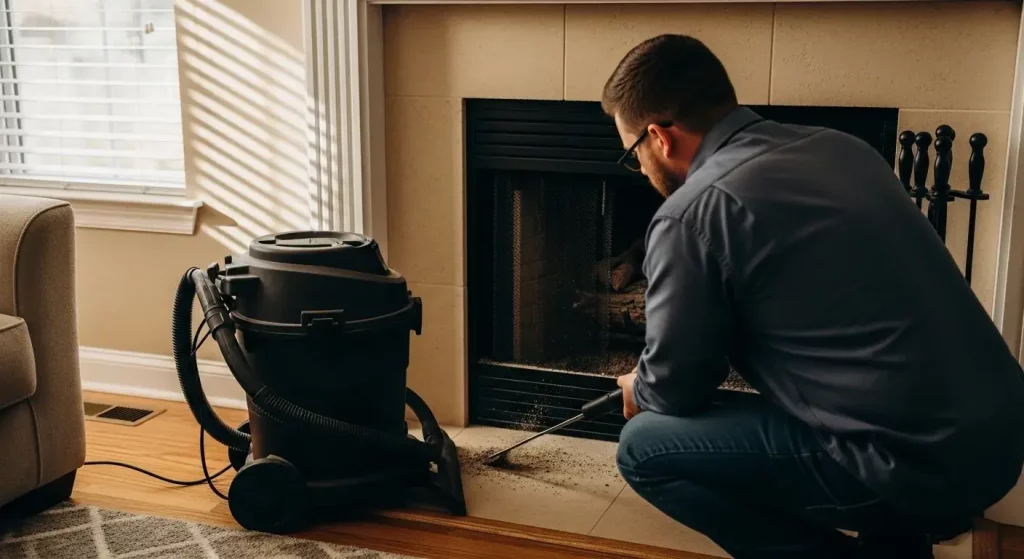
When it comes to maintaining a healthy home environment, many homeowners overlook one crucial aspect: the fireplace. While it may seem like a seasonal concern, fireplace cleaning in Houston is essential not just for aesthetic reasons but also for ensuring optimal indoor air quality. In this blog post, we’ll explore the importance of fireplace cleaning, the potential hazards of neglecting this task, and practical steps you can take to keep your home safe and comfortable.
Understanding Indoor Air Quality
Indoor air quality (IAQ) refers to the cleanliness and safety of the air within your home. Poor IAQ can lead to various health issues, including respiratory problems, allergies, and even long-term illnesses. Factors that contribute to poor indoor air quality include dust, mold, allergens, and pollutants from indoor sources like fireplaces.
The Role of Fireplaces in Indoor Air Quality
Fireplaces can significantly impact indoor air quality. When you ignite a fire, it produces smoke, particulate matter, and volatile organic compounds (VOCs) that can linger in the air. If your fireplace and chimney are not properly maintained and cleaned, these pollutants can accumulate and circulate throughout your home, leading to health hazards.
Common Risks Associated with Neglected Fireplace Cleaning
1. Creosote Buildup
Creosote is a byproduct of burning wood, and it can accumulate in your chimney over time. This flammable substance poses a significant fire risk, as it can ignite and cause chimney fires. In addition to fire hazards, creosote can release harmful particles into the air, further degrading indoor air quality.
2. Soot and Particulate Matter
Soot is another byproduct of combustion that can accumulate in your fireplace and chimney. This fine black powder can enter your living space, leading to respiratory issues and aggravating existing health conditions such as asthma or allergies. Regular fireplace cleaning helps minimize soot buildup and keep your air clean.
3. Carbon Monoxide Exposure
One of the most dangerous risks associated with poorly maintained fireplaces is carbon monoxide (CO) exposure. This colorless, odorless gas can be deadly in high concentrations. If your chimney is blocked or your fireplace is not functioning correctly, CO can seep into your home. Regular cleaning and inspections can help prevent this life-threatening situation.
Benefits of Regular Fireplace Cleaning
1. Improved Indoor Air Quality
One of the most significant benefits of regular fireplace cleaning is the improvement of indoor air quality. By removing creosote, soot, and other pollutants, you create a healthier environment for you and your family. This is especially crucial for households with young children, the elderly, or individuals with respiratory conditions.
2. Enhanced Safety
Regular cleaning reduces the risk of chimney fires and carbon monoxide poisoning. Fire safety should always be a priority in any household, and keeping your fireplace clean is a fundamental step in protecting your family and property.
3. Increased Efficiency
A clean fireplace and chimney allow for better airflow, enhancing the efficiency of your heating system. This means your fireplace will produce more heat with less fuel, saving you money on heating bills while keeping your home warm and cozy.
4. Extended Lifespan of Your Fireplace
Regular maintenance can extend the life of your fireplace. By keeping it clean and in good working order, you can avoid costly repairs or replacements down the line.
Practical Steps for Fireplace Cleaning
1. Schedule Regular Inspections
It’s essential to have your fireplace and chimney inspected at least once a year, preferably before the heating season. Professional chimney sweeps can identify potential issues and ensure everything is in working order.
2. Self-Cleaning Tips
While professional cleaning is recommended, you can take some steps to maintain your fireplace between cleanings:
- Remove Ashes: After each use, wait until the ashes are completely cool, then remove them to prevent buildup. -Inspect for Damage: Regularly check your fireplace and chimney for cracks or signs of wear. -Use Seasoned Wood: Burning seasoned wood produces less creosote than green or unseasoned wood.
3. Hire Professionals
When it’s time for a thorough cleaning, don’t hesitate to contact a professional service. Experts in fireplace cleaning in Houston can ensure your fireplace is clean, safe, and ready for use. For more information on our fireplace cleaning services, visit our fireplace cleaning page.
In summary, fireplace cleaning in Houston is not just a matter of appearance; it is a critical component of maintaining indoor air quality and ensuring the safety of your home. By understanding the risks associated with neglected fireplaces and taking proactive measures, you can enjoy a cleaner, safer, and more efficient home. Don’t wait until it’s too late—schedule your fireplace cleaning today and breathe easy knowing your indoor air quality is at its best. For more tips and services related to chimney and fireplace maintenance, check out our other [services](/ /services).
