
A fireplace can be the heart of your home, providing warmth and comfort during chilly nights in Houston, TX. However, when issues arise, it can quickly become a source of frustration. Understanding the common problems that can affect your fireplace, such as cracks, smoke issues, and heat loss, is crucial for timely repairs and maintaining a safe environment. In this guide, we’ll delve into these issues, their causes, and how to address them effectively.
Common Issues in Fireplace Functionality
Cracks in the Fireplace
Cracks in your fireplace are a common issue that can arise from various factors. Here are some of the primary causes:
1. Temperature Fluctuations
The extreme heat generated during a fire can cause the materials in your fireplace to expand. When the fire goes out and temperatures drop, these materials contract. Over time, this constant cycle of expansion and contraction can lead to cracks.
2. Moisture Damage
If moisture infiltrates your fireplace structure due to poor sealing or damage, it can weaken the materials. When this moisture freezes in colder months, it expands and creates cracks.
3. Improper Installation
A poorly built fireplace may not withstand regular use. Incorrectly installed flue liners, for example, can lead to structural weaknesses and eventual cracking.
4. Age and Wear
Like any home feature, fireplaces age. Over years of use, the materials can deteriorate, leading to cracks and other forms of damage.
Smoke Issues
Smoke problems can affect the functionality and enjoyment of your fireplace. Here are some common causes:
1. Clogged Chimney
A buildup of creosote and debris in the chimney can restrict airflow, causing smoke to back up into your living space. Regular chimney cleaning is essential to prevent this issue.
2. Improper Draft
A fireplace needs a proper draft to ensure smoke exits efficiently. Factors such as the design of the chimney, height, and surrounding structures can affect draft quality.
3. Wood Quality
The type and condition of the wood you burn can significantly influence smoke production. Wet or unseasoned wood tends to produce excessive smoke, leading to both discomfort and potential damage.
4. Flue Damper Issues
The flue damper controls the airflow in and out of your fireplace. If it is stuck closed or partially closed, it can lead to smoke backing up into your home instead of exiting through the chimney.
Heat Loss
If your fireplace isn’t heating your home effectively, it could be losing heat for several reasons:
1. Air Leaks
Sealing gaps and cracks around your fireplace can help retain heat. If there are leaks in the surrounding structure, warm air may escape, leading to inefficiency.
2. Insufficient Insulation
Inadequate insulation in the chimney area can result in heat loss. Ensuring that your fireplace and chimney are properly insulated can improve heat retention.
3. Old or Inefficient Models
Older fireplaces may not be designed for efficiency. Upgrading to a more modern, efficient model can greatly improve heat production and retention.
Repairing Fireplace Issues
Now that we’ve identified the common problems, let’s discuss how to address these issues effectively.
Repairing Cracks
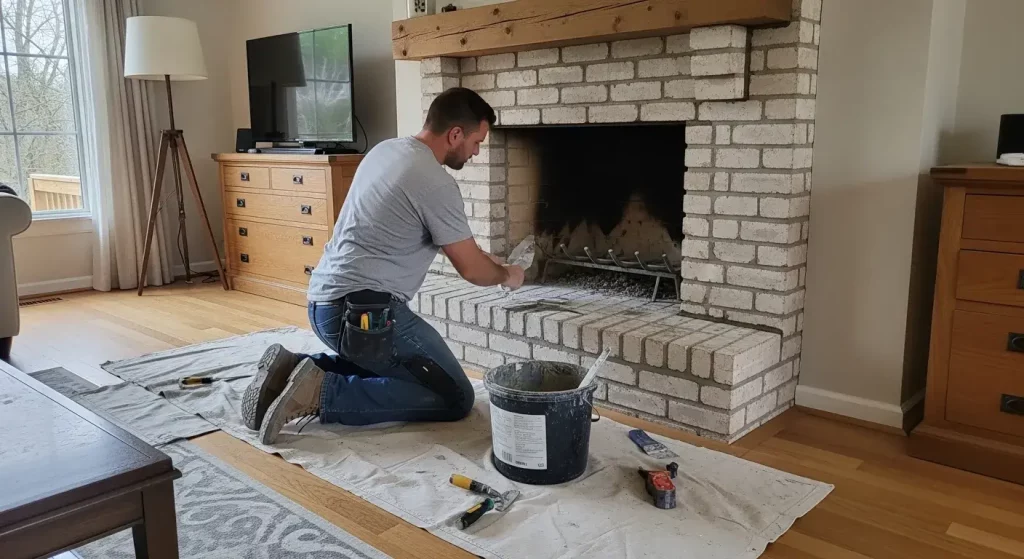
- Assess the Damage: Determine the extent of the damage. Small surface cracks can often be repaired with a specialized fireplace mortar, while larger cracks may require professional intervention.
- Use High-Temperature Mortar: For minor repairs, apply a high-temperature mortar to fill in cracks. Ensure the area is clean and dry before application.
- Professional Inspection: For significant damage, schedule a professional inspection. Experts can assess structural integrity and recommend necessary repairs or replacements.
Addressing Smoke Issues
- Chimney Cleaning: Schedule regular chimney cleaning to ensure your flue is clear of buildup.
- Check Draft: Evaluate the design and height of your chimney. If you notice ongoing draft issues, consult a professional to assess and potentially redesign the chimney.
- Use Quality Wood: Always burn seasoned, dry wood to minimize smoke production.
- Damper Maintenance: Ensure the flue damper operates smoothly. If there are issues, consider consulting a professional for repair or replacement.
Reducing Heat Loss
- Seal Leaks: Inspect the fireplace and surrounding areas for air leaks. Use caulk or weather stripping to seal gaps.
- Upgrade Insulation: Consider adding insulation around the chimney and fireplace areas to improve heat retention.
- Install Glass Doors: Glass doors can help contain heat and prevent drafts when the fireplace is not in use.
When to Call a Professional
While some minor fireplace repairs can be tackled as DIY projects, many issues require professional expertise. If you notice extensive cracking, persistent smoke problems, or significant heat loss, it’s best to contact a qualified technician.
At Top Hat Chimney and Roofing, we specialize in fireplace repair and can help identify and address any issues you may encounter. Our experienced team understands the unique challenges faced by homeowners in Houston, TX, and we’re here to ensure your fireplace remains a safe and efficient source of warmth.
Understanding the common issues associated with fireplace functionality is crucial for maintaining a safe and efficient heating source in your home. From cracks and smoke problems to heat loss, being proactive can save you time, money, and stress in the long run. If you encounter any of these issues, don’t hesitate to reach out for professional assistance. Your fireplace deserves the best care to continue providing comfort and warmth for years to come.
