

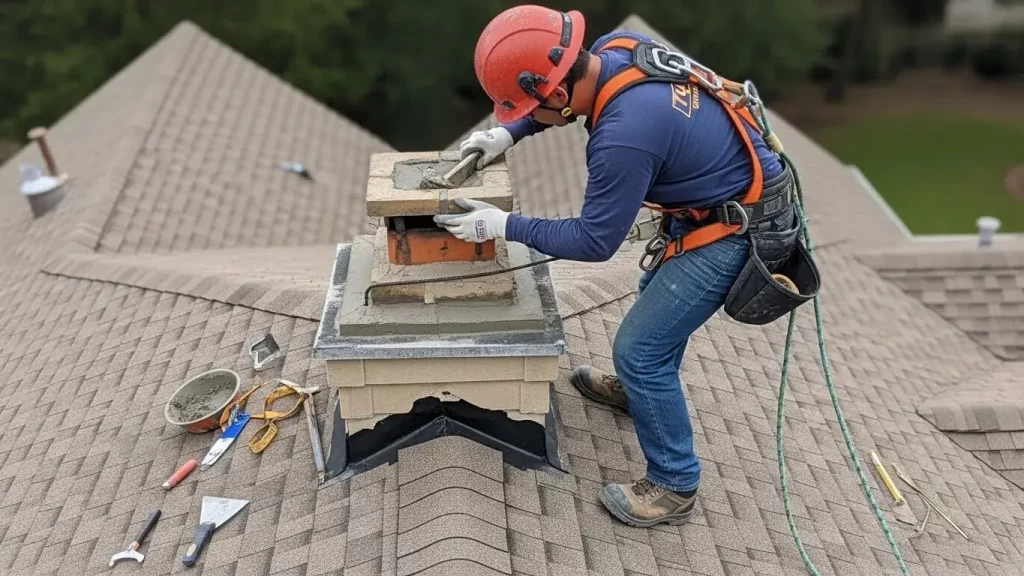
The chimney crown, often called a mortar cap, stands as the first line of defense against Houston’s unpredictable weather patterns. This concrete or mortar structure sits atop the chimney, sealing the gap between the flue and the outer walls. When this protective barrier begins to fail, homeowners face escalating risks that extend far beyond cosmetic concerns. Understanding the optimal timing for chimney mortar cap replacement in Houston can mean the difference between a simple repair and extensive structural damage.
Houston’s unique climate creates specific challenges for chimney systems. The combination of intense summer heat, sudden temperature fluctuations, and periods of heavy rainfall accelerates the deterioration of mortar materials. Unlike regions with more stable weather patterns, Houston properties require vigilant monitoring of chimney components to prevent water infiltration and structural compromise.
Understanding the Critical Role of Chimney Mortar Caps in Houston Homes
The mortar cap serves multiple essential functions that protect the entire chimney system. This horizontal surface prevents rainwater from entering the chimney structure while allowing smoke and gases to escape through the flue. Without a properly functioning cap, moisture seeps into the masonry, causing progressive damage that compromises the chimney’s integrity.
Houston homeowners often underestimate the importance of this component until visible problems emerge. The mortar cap endures constant exposure to environmental stressors, including UV radiation, thermal expansion, and precipitation. These forces create micro-cracks that gradually widen, allowing water to penetrate deeper into the chimney structure.
Top Hat Chimney And Roofing specialists have observed that delayed chimney mortar cap replacement in Houston typically results in repair costs that exceed three times the price of timely maintenance. The cascading effects of a failing mortar cap extend throughout the chimney system, affecting flue liners, masonry walls, and even interior ceilings.
Recognizing the Warning Signs That Demand Immediate Attention
Several indicators signal the need for chimney mortar cap replacement in Houston. Homeowners should conduct regular visual inspections, particularly after severe weather events. Horizontal cracks measuring more than one-eighth inch require professional assessment, as these fissures allow significant water intrusion.
Deteriorating mortar appears as powdery residue or loose material around the chimney crown. This spalling indicates that freeze-thaw cycles have compromised the structural integrity. Houston’s occasional winter freezes, though brief, can cause substantial damage when moisture trapped in compromised mortar expands upon freezing.
Water stains on interior walls near the chimney reveal that moisture has already penetrated the system. These discolorations suggest that the mortar cap has failed in its primary protective function. Addressing chimney mortar cap replacement in Houston at this stage prevents further interior damage and potential mold growth.
Seasonal Considerations for Optimal Replacement Timing
Houston’s weather patterns significantly influence the ideal window for chimney mortar cap replacement in Houston. The spring and fall seasons offer the most favorable conditions for this work. Moderate temperatures and lower humidity levels during these periods allow proper curing of new mortar materials.
Summer heat presents challenges for mortar installation, as excessive temperatures can cause rapid drying that compromises the bond strength. Conversely, winter moisture and cooler temperatures extend curing times and increase the risk of improper setting. Strategic scheduling during transitional seasons ensures optimal results and longevity.
Top Hat Chimney And Roofing recommends planning chimney mortar cap replacement in Houston during March through May or September through November. These timeframes provide consistent weather conditions that support proper installation techniques. Scheduling during these months also allows homeowners to secure services before peak demand periods.
The Impact of Houston’s Climate on Mortar Cap Deterioration
Houston’s subtropical climate creates unique stressors that accelerate mortar cap degradation. Annual rainfall averaging nearly 50 inches subjects chimney crowns to constant moisture exposure. The combination of heavy precipitation and high humidity prevents adequate drying periods between weather events.
Thermal cycling in Houston proves particularly damaging to mortar structures. Daily temperature variations, especially during spring and fall, cause expansion and contraction that gradually weakens mortar bonds. These repetitive stress cycles create microscopic fractures that coalesce into visible cracks over time.
The intense UV radiation characteristic of Houston summers degrades the surface layer of mortar caps. This photodegradation reduces the water resistance of the material, making it more susceptible to moisture penetration. Properties with south-facing chimneys experience accelerated deterioration due to increased sun exposure.
Professional Assessment Protocols for Chimney Mortar Caps
Determining the necessity of chimney mortar cap replacement in Houston requires expertise beyond visual inspection. Professional technicians employ moisture meters to detect hidden water infiltration that isn’t visible to the naked eye. These instruments reveal saturation levels within the masonry that indicate failing waterproofing.
Structural assessment includes evaluating the overhang of the mortar cap beyond the chimney walls. Properly constructed caps extend at least two inches beyond the brick, directing water away from the vertical surfaces. Insufficient overhang allows water to run down the chimney face, accelerating brick deterioration and mortar joint failure.
Top Hat Chimney And Roofing technicians examine the slope of the mortar cap to ensure proper drainage. The surface should angle away from the flue opening at a minimum pitch that prevents water pooling. Standing water on a flat or improperly sloped cap dramatically shortens the lifespan of the mortar material.
Preventive Maintenance Strategies Between Replacement Cycles
While chimney mortar cap replacement in Houston eventually becomes necessary, proper maintenance extends the interval between replacements. Annual waterproofing treatments create a protective barrier that repels moisture without trapping vapors inside the masonry. These sealants specifically formulated for masonry allow the chimney to breathe while preventing water absorption.
Regular cleaning removes organic debris that retains moisture against the mortar cap surface. Leaves, pine needles, and other plant matter create acidic conditions that accelerate mortar deterioration. Scheduling professional cleaning services ensures complete removal of damaging materials from the chimney crown area.
Trimming overhanging tree branches reduces the amount of debris accumulation and limits shade that keeps the chimney crown damp. Improved air circulation and sunlight exposure allow faster drying after rain events. This simple landscape management practice significantly extends the life of mortar caps in Houston’s humid environment.
Top Hat Chimney And Roofing emphasizes the importance of addressing minor cracks immediately through targeted repairs. Small fissures sealed promptly prevent them from expanding into major structural problems. Professional-grade sealants designed for chimney applications provide flexible, waterproof barriers that accommodate thermal movement.
The Connection Between Chimney Flashing and Mortar Cap Performance
Chimney flashing works in conjunction with the mortar cap to create a comprehensive waterproofing system. The flashing seals the junction where the chimney meets the roof, while the cap protects the top of the structure. Failures in either component compromise the entire protection scheme.
When evaluating the need for chimney mortar cap replacement in Houston, professionals also assess flashing condition. Corroded or improperly installed flashing allows water to enter the chimney system from below, while a failing cap permits intrusion from above. Coordinating repairs of both elements ensures complete protection.
Houston’s severe thunderstorms produce wind-driven rain that tests the integrity of chimney waterproofing systems. Water forced under flashing or through cracks in the mortar cap causes rapid damage to interior masonry components. The combined exposure from multiple entry points accelerates deterioration beyond what either issue would cause independently.
Material Selection for Houston’s Climate Conditions
The choice of materials for chimney mortar cap replacement in Houston significantly affects longevity and performance. Portland cement-based mortars offer superior strength and water resistance compared to traditional lime mortars. These modern formulations withstand Houston’s environmental stresses more effectively.
Crown coating systems provide an alternative to complete replacement for caps with minor damage. These elastomeric coatings create a waterproof membrane over the existing mortar surface, extending service life by several years. However, this approach only works when the underlying structure remains sound.
Top Hat Chimney And Roofing often recommends cast-in-place concrete caps for Houston properties requiring maximum durability. These monolithic structures eliminate joints that typically become weak points in prefabricated caps. The seamless construction provides superior resistance to water infiltration and thermal stress.
Long-Term Cost Considerations of Delayed Replacement
Postponing necessary chimney mortar cap replacement in Houston generates escalating expenses that far exceed the initial repair investment. Water damage to flue liners can require complete liner replacement, a project costing thousands of dollars. Compromised masonry in the chimney stack may necessitate partial or complete rebuilding.
Interior water damage from chimney leaks affects ceilings, walls, and flooring materials. Moisture infiltration promotes mold growth that poses health risks and requires professional remediation. These secondary damages often cost more than the original chimney repair would have.
Structural damage to the chimney stack from freeze-thaw cycles in saturated masonry can compromise the stability of the entire chimney. Leaning or separating chimneys present serious safety hazards that demand immediate attention. These extreme scenarios result from years of neglecting chimney mortar cap replacement in Houston.
Safety Implications of Compromised Chimney Crowns
Beyond financial considerations, failing mortar caps create genuine safety risks for Houston homeowners. Water infiltration deteriorates mortar joints throughout the chimney structure, potentially causing brick displacement. Falling masonry presents dangers to people and property below the chimney.
Moisture entering the chimney system through a damaged cap can reach the fireplace damper and firebox. This creates conditions for rust formation that impairs damper operation. A stuck or improperly sealing damper allows conditioned air to escape and can trap smoke inside the living space during fires.
The most serious safety concern involves water damage to flue liners. Compromised clay tile liners may crack, creating gaps that allow combustion gases to escape into wall cavities. Carbon monoxide intrusion into living spaces represents a life-threatening situation that underscores the importance of timely chimney mortar cap replacement in Houston.
Top Hat Chimney And Roofing safety inspections identify hazards before they escalate into emergencies. Professional evaluation provides homeowners with detailed information about their chimney’s condition and the urgency of necessary repairs. This proactive approach protects both property investments and family safety.
Documentation and Warranty Considerations for Replacement Projects
Professional chimney mortar cap replacement in Houston should include comprehensive documentation of the work performed. Before and after photographs provide visual evidence of the chimney’s condition and the quality of repairs. This documentation proves valuable for insurance claims, property sales, and warranty validation.
Quality contractors provide written warranties covering materials and workmanship for specified periods. These guarantees protect homeowners from defects and premature failures. Understanding warranty terms helps property owners maintain coverage through proper care and timely inspections.
Maintaining service records establishes a history of chimney maintenance that demonstrates responsible property stewardship. When selling a home, documented chimney care including mortar cap replacement increases buyer confidence and can positively influence property value. Houston’s real estate market increasingly values properties with verified maintenance histories.
Regional Building Codes and Compliance Requirements
Houston building codes establish minimum standards for chimney construction and repair work. Chimney mortar cap replacement in Houston must comply with these regulations to ensure structural safety and proper function. Professional contractors maintain current knowledge of code requirements and obtain necessary permits.
Proper permitting protects homeowners from liability issues and ensures that work meets inspection standards. Unpermitted repairs can complicate property sales and insurance claims. Working with licensed contractors who handle permitting requirements eliminates these concerns.
Top Hat Chimney And Roofing maintains all required licenses and insurance coverage, providing clients with protection against liability. This professional accountability distinguishes qualified contractors from unlicensed operators. Verifying credentials before authorizing chimney mortar cap replacement in Houston protects homeowners from substandard work.
Environmental Factors Unique to Houston Neighborhoods
Different Houston neighborhoods experience varying rates of chimney deterioration based on local environmental conditions. Properties near the Gulf Coast face increased salt air exposure that accelerates mortar degradation. Inland areas may experience different challenges related to soil composition and drainage patterns.
Urban heat island effects in central Houston create temperature extremes that stress masonry structures. The concentration of heat-absorbing surfaces elevates ambient temperatures beyond surrounding areas. This thermal stress accelerates the aging process of mortar caps, potentially requiring more frequent chimney mortar cap replacement in Houston for downtown properties.
Trees common in Houston’s landscape, particularly live oaks, produce acidic leaf litter that damages mortar when allowed to accumulate on chimney crowns. Properties with mature tree canopies require more frequent cleaning and may experience shortened mortar cap lifespans. Understanding these localized factors helps homeowners anticipate maintenance needs.
Professional Installation Standards and Best Practices
Quality chimney mortar cap replacement in Houston follows established industry standards developed by organizations like the Chimney Safety Institute of America. These protocols ensure proper construction techniques that maximize durability and performance. Compliance with these standards distinguishes professional installations from amateur repairs.
Proper cap construction includes installing a drip edge that directs water away from the chimney face. This detail, often overlooked in substandard work, significantly extends the life of both the mortar cap and the underlying masonry. The drip edge creates a physical separation that prevents water from wicking back into the structure.
Top Hat Chimney And Roofing crews receive ongoing training in current installation techniques and safety procedures. This commitment to professional development ensures that every chimney mortar cap replacement in Houston meets or exceeds industry standards. Continuous education keeps technicians informed about advances in materials and methods.
Adequate curing time represents another critical factor in successful installations. Rushing the process or exposing new mortar to adverse conditions before proper curing compromises the structural integrity. Professional contractors schedule work to allow sufficient curing time before weather exposure.
A Moment of Reflection from the Field
One of the experienced technicians at Top Hat Chimney And Roofing recently shared a deeply moving experience that reinforced why this work matters beyond mere construction. During a routine chimney mortar cap replacement in Houston, the crew encountered an elderly homeowner who had been living with a leaking chimney for years, believing repairs were beyond financial reach. She had placed buckets in her attic to catch water during storms, resigned to the situation as unchangeable. When the team explained financing options and completed the work, she stood in her yard with tears streaming down her face, looking up at her restored chimney. She expressed that for the first time in years, she wouldn’t dread the next rainstorm or worry about her home falling apart around her. That moment crystallized the profound impact this work has on people’s lives—providing not just structural protection, but genuine peace of mind and dignity in their own homes. These are the moments that remind every member of the team that they’re not just working with mortar and brick, but truly helping families protect what matters most.
Insurance Coverage and Claims Processes
Homeowners insurance policies vary in their coverage of chimney mortar cap replacement in Houston. Understanding policy terms before damage occurs helps property owners make informed decisions about timing and extent of repairs. Some policies cover sudden damage from storms while excluding gradual deterioration.
Documenting chimney condition through regular professional inspections creates evidence that supports insurance claims when storm damage occurs. Photographs and written reports establish the chimney’s pre-event condition, making it easier to demonstrate storm-related damage. This documentation proves invaluable when filing claims.
Top Hat Chimney And Roofing assists clients in navigating insurance processes by providing detailed damage assessments and repair estimates. Professional documentation from licensed contractors carries weight with insurance adjusters. This support helps homeowners maximize legitimate coverage for necessary chimney mortar cap replacement in Houston.
The Relationship Between Mortar Cap Condition and Energy Efficiency
A compromised chimney mortar cap affects more than structural integrity—it impacts home energy efficiency. Cracks in the cap allow conditioned air to escape through the chimney system, forcing heating and cooling systems to work harder. This air leakage increases utility costs throughout the year.
Water infiltration through a failing mortar cap creates moisture problems that reduce insulation effectiveness in adjacent wall cavities. Damp insulation loses R-value, diminishing its ability to regulate temperature transfer. Addressing chimney mortar cap replacement in Houston restores the thermal boundary and improves overall energy performance.
Houston’s hot summers make air conditioning costs a significant household expense. Sealing chimney leaks through proper mortar cap repair reduces the cooling load and lowers energy consumption. The energy savings accumulated over the extended life of a new mortar cap offset a portion of the installation investment.
Future-Proofing Houston Chimneys Against Climate Challenges
Climate projections suggest that Houston will experience increasingly intense weather events in coming decades. More frequent heavy rainfall and stronger storms will test chimney systems beyond historical norms. Investing in quality chimney mortar cap replacement in Houston now prepares properties for these challenges.
Advanced waterproofing technologies and superior materials provide enhanced protection against extreme weather. Modern crown coating systems incorporate flexible polymers that accommodate movement without cracking. These innovations extend service intervals and reduce long-term maintenance requirements.
Top Hat Chimney And Roofing stays current with evolving best practices and emerging technologies in chimney protection. This forward-looking approach ensures that every chimney mortar cap replacement in Houston incorporates the most effective solutions available. Clients benefit from installations designed to withstand tomorrow’s challenges, not just today’s conditions.
Understanding the optimal timing for chimney mortar cap replacement in Houston empowers homeowners to protect their properties proactively. The investment in timely maintenance prevents exponentially more expensive repairs while ensuring safety and peace of mind. Houston’s unique climate demands vigilance and professional expertise to maintain chimney systems in optimal condition. By recognizing warning signs, scheduling replacements during favorable weather windows, and working with qualified professionals, property owners secure their homes against water damage and structural deterioration for years to come.
