
Homeowners often underestimate the critical role that properly maintained chimneys and fireplaces play in protecting their families and properties from fire hazards. When heating systems fall into disrepair, the consequences can range from inefficient operation to catastrophic house fires. Understanding the importance of regular maintenance and professional intervention becomes paramount for anyone who relies on these traditional heating methods in their home.
The structural integrity of a chimney system directly impacts the safety of everyone living under that roof. Over time, exposure to extreme temperatures, weather conditions, and natural wear causes deterioration that may not be immediately visible to the untrained eye. Small cracks in the flue liner, accumulation of creosote deposits, and damaged masonry all contribute to increased fire risk. These issues develop gradually, making routine inspections and timely repairs essential rather than optional.
The Hidden Dangers Lurking in Neglected Chimney Systems
Many property owners remain unaware of the serious hazards that develop when chimney and fireplace repair league city services are postponed or ignored entirely. Creosote buildup represents one of the most dangerous conditions that can occur within a chimney system. This highly flammable substance forms when wood smoke condenses on the cool interior surfaces of the flue. As layers accumulate over months and years of use, the risk of a chimney fire increases exponentially.
Creosote exists in three distinct stages, each progressively more hazardous than the last. The first stage appears as a flaky, sooty deposit that can be relatively easily removed through professional cleaning. Second-stage creosote takes on a shiny, tar-like appearance with a harder consistency that requires specialized tools for removal. Third-stage creosote becomes extremely concentrated and glossy, resembling hardened tar that fuel chimney fires capable of reaching temperatures exceeding 2,000 degrees Fahrenheit.
Beyond creosote concerns, structural damage poses equally serious threats to household safety. Cracks in the chimney crown allow water infiltration that accelerates deterioration through freeze-thaw cycles. Once moisture penetrates the masonry, it expands when temperatures drop, creating larger cracks and potentially causing sections of brick or stone to spall and separate. Top Hat Chimney And Roofing specialists regularly encounter chimneys where minor cracks have evolved into major structural compromises requiring extensive reconstruction.
The flue liner serves as a critical protective barrier between the extreme heat of exhaust gases and the combustible materials in walls and framing. When liners crack, break, or deteriorate, hot gases can escape into areas surrounding the chimney structure. This creates the perfect conditions for fires to ignite within wall cavities where they can spread undetected until significant damage has occurred. Professional chimney and fireplace repair league city services include thorough liner inspections using video cameras to identify problems that would otherwise remain hidden.
Understanding the Chimney Fire Risk Assessment Process
Professional technicians employ systematic approaches to evaluate fire risk factors during comprehensive inspections. The assessment begins at the chimney crown and extends through the entire structure down to the firebox and hearth. Every component receives careful scrutiny to identify current problems and potential future issues that could compromise safety.
Inspection protocols developed by industry organizations provide frameworks for thorough evaluations. Level one inspections cover readily accessible portions of the chimney system and suffice for properties with no changes in fuel type or operational issues. Level two inspections become necessary when selling a home, after events like earthquakes or storms, or when operational changes occur. These more intensive examinations include video scanning of internal flue areas to detect hidden damage. Level three inspections involve removing portions of the chimney structure or building components to investigate suspected serious hazards.
Top Hat Chimney And Roofing professionals utilize advanced diagnostic equipment during these assessments. Moisture meters detect hidden water infiltration before visible signs appear. Thermal imaging cameras reveal temperature variations that indicate potential gaps in the flue liner or areas where heat transfers improperly. Video inspection systems with high-resolution cameras navigate through the entire length of the flue, documenting conditions and providing visual evidence of problems requiring attention.
The comprehensive nature of professional inspections ensures that no potential fire hazard escapes detection. Experienced technicians recognize subtle warning signs that homeowners might overlook, such as slight discoloration indicating past overheating, minor mortar deterioration that will worsen rapidly, or improper clearances between the chimney and combustible materials. This expertise proves invaluable in preventing fires before they occur.
Common Fireplace Components That Require Regular Maintenance
Several critical fireplace components demand regular attention to maintain safe operation. The damper mechanism controls airflow and prevents downdrafts when the fireplace sits idle. Damaged or warped dampers fail to seal properly, allowing heated air to escape up the chimney year-round and potentially letting rain, animals, or debris enter the flue. Chimney and fireplace repair league city experts frequently replace dampers that have rusted, bent, or become stuck in position.
The firebox refractory panels withstand intense heat during fires but gradually deteriorate over time. Cracks in these panels expose the outer masonry to extreme temperatures, potentially causing structural damage. Loose or missing panels require prompt replacement to prevent heat transfer to combustible materials behind the fireplace. Top Hat Chimney And Roofing technicians assess firebox conditions during every inspection, identifying panels showing signs of significant wear.
Gas fireplace systems introduce additional components requiring specialized attention. Pilot assemblies, thermocouples, and gas valves must function correctly to ensure safe operation. Even minor malfunctions in gas delivery systems can create hazardous conditions including gas leaks or incomplete combustion producing dangerous carbon monoxide. Professional chimney and fireplace repair league city services for gas units include testing all safety mechanisms and verifying proper venting.
The chimney cap protects the flue opening from rain, snow, animals, and debris while allowing smoke and gases to escape freely. Missing or damaged caps lead to water infiltration, animal nesting, and potential blockages that force smoke back into living spaces. Quality caps constructed from stainless steel or copper provide long-lasting protection, while bargain alternatives deteriorate rapidly and require frequent replacement.
Seasonal Considerations for Chimney Maintenance Scheduling
Understanding optimal timing for chimney and fireplace repair league city services helps homeowners plan maintenance that doesn’t interfere with heating needs. Late summer and early fall represent ideal periods for inspections and repairs, allowing completion of necessary work before the heating season begins. This timing ensures that fireplaces and heating systems operate safely and efficiently when cold weather arrives.
Scheduling maintenance during warmer months offers practical advantages beyond avoiding cold-weather disruptions. Repair work proceeds more efficiently in mild temperatures without complications from frozen materials or harsh weather conditions. Masonry repairs require specific temperature ranges for proper curing, making summer and fall preferable for brickwork and pointing repairs. Additionally, service providers typically experience lighter demand during off-season months, allowing more flexible scheduling and potentially faster project completion.
Spring inspections provide opportunities to assess damage that occurred during the heating season. Heavy use throughout winter can reveal problems that weren’t apparent during fall inspections. Identifying these issues promptly allows repairs during warm months rather than discovering problems when heating is needed again. Top Hat Chimney And Roofing recommends both pre-season and post-season inspections for properties with heavy fireplace use.
Emergency repairs sometimes become necessary regardless of season. Obvious damage from storms, visible structural issues, or operational problems like smoke backing into rooms require immediate professional attention. Delaying emergency chimney and fireplace repair league city services when serious problems exist puts families at unnecessary risk. Reputable service providers maintain availability for urgent situations requiring prompt intervention.
The Relationship Between Proper Venting and Fire Prevention
Adequate ventilation stands as a fundamental requirement for safe fireplace operation. Insufficient draft causes incomplete combustion, producing excessive creosote and allowing dangerous gases to enter living spaces. Multiple factors influence draft performance, including chimney height, flue sizing, exterior temperature, and barometric pressure. Professional assessments identify ventilation deficiencies and recommend appropriate solutions.
Chimney height directly impacts draft strength through the stack effect. Taller chimneys generally produce stronger draft as the column of hot gases creates greater upward pull. Building codes specify minimum height requirements relative to roof peaks and nearby structures, ensuring adequate draft while preventing downdrafts caused by wind patterns. When chimneys fall short of required heights, extensions restore proper draft and improve safety.
Flue sizing must match the appliance or fireplace it serves. Oversized flues cool exhaust gases excessively, reducing draft and promoting creosote formation. Undersized flues restrict flow, causing smoke spillage into rooms and creating back-pressure on heating appliances. Top Hat Chimney And Roofing specialists calculate proper sizing based on fuel type, appliance output, and chimney characteristics when chimney and fireplace repair league city projects involve new installations or system modifications.
Blockages eliminate even the best-designed chimney’s ability to vent properly. Bird nests, fallen debris, and excessive creosote accumulation all restrict airflow. Regular inspections detect blockages before they create hazardous conditions. Video inspections prove particularly valuable for identifying obstructions in portions of the flue that aren’t directly visible from either the top or bottom of the chimney.
Professional Repair Techniques That Enhance Fire Safety
Modern chimney and fireplace repair league city approaches incorporate advanced materials and methods that significantly improve safety compared to historical practices. Understanding these techniques helps homeowners appreciate the value professional services provide and why attempting amateur repairs often creates more problems than they solve.
Flue relining represents one of the most important safety upgrades available for aging chimneys. Traditional clay tile liners crack and deteriorate over decades of use, while many older chimneys were constructed without liners entirely. Stainless steel liner systems provide durable, long-lasting protection that improves draft while preventing dangerous heat transfer to surrounding structures. Cast-in-place liners use specialized materials that cure inside the flue, creating a seamless barrier custom-fitted to the chimney’s exact dimensions.
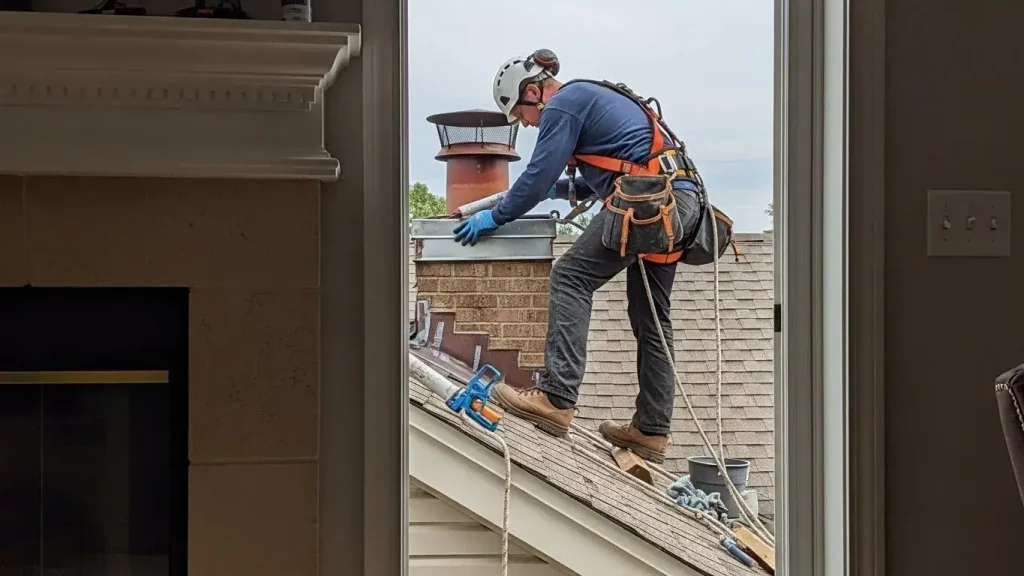
The installation process for relining systems requires expertise and specialized equipment. Top Hat Chimney And Roofing technicians prepare flues by removing obstructions and damaged sections of existing liners. Measurements ensure proper sizing for the specific fuel type and appliance. Stainless steel liners must be correctly insulated in many applications to maintain adequate flue gas temperatures for proper venting. The technical nature of this work underscores why chimney and fireplace repair league city services should always involve qualified professionals rather than untrained handymen.
Masonry restoration addresses structural issues that compromise safety and accelerate deterioration. Tuckpointing replaces damaged mortar joints, preventing water infiltration and restoring structural integrity. This painstaking work requires matching mortar composition to existing materials and properly preparing joints before application. Crown repairs or replacement protect the top of the chimney structure, preventing the widespread damage that results from water penetration at this critical junction.
Waterproofing treatments provide additional protection against moisture damage. Unlike paint or sealants that trap moisture inside masonry, professional-grade water repellents allow water vapor to escape while preventing liquid water absorption. This breathability proves essential for masonry health, as trapped moisture causes accelerated deterioration. Top Hat Chimney And Roofing applies vapor-permeable sealants designed specifically for chimney applications after completing necessary repairs.
One technician recalls an experience that reinforced just how critical timely intervention can be. Called to inspect a chimney after homeowners reported unusual sounds, they discovered a massive creosote buildup coating the entire flue in what looked like black glass. The family had been using their fireplace regularly, completely unaware that each fire brought them closer to potential disaster. During the cleaning process, removing that dense, stage-three creosote felt like chipping away at solid rock. The realization hit hard—this family had been living with a ticking time bomb above their heads, and they had no idea. When the work was finished and they explained the danger that had lurked in those walls, the homeowner broke down in tears of relief. That moment stays fresh in memory as a powerful reminder that this work isn’t just about repairs and maintenance. Every inspection, every cleaning, every repair represents a family kept safe, a home protected, a tragedy prevented. That’s what makes this profession meaningful beyond measure.
Gas log installations and conversions require precise attention to venting requirements and safety specifications. Unlike traditional wood-burning fireplaces that tolerate minor imperfections, gas appliances demand exact clearances, proper venting, and correctly functioning safety devices. Professional chimney and fireplace repair league city services for gas systems include pressure testing, leak detection, and verification of all safety interlocks. Carbon monoxide testing ensures complete combustion and proper venting.
Smoke chamber parging creates smooth surfaces that improve draft and reduce creosote accumulation. Many older fireplaces feature roughly constructed smoke chambers with protruding bricks and uneven surfaces that create turbulence and deposit sites for creosote. Applying heat-resistant parging material creates smooth transitions from firebox to flue, improving performance and safety. This specialized work requires appropriate materials and application techniques that only experienced professionals possess.
Chimney caps and chase covers receive installation with attention to both function and durability. Proper mounting ensures these protective elements withstand high winds and severe weather. Top Hat Chimney And Roofing selects materials appropriate for specific exposures, choosing stainless steel or copper for coastal areas where salt air accelerates corrosion. Proper screening prevents animal entry while maintaining adequate ventilation area to avoid restricting exhaust flow.
The Economic and Safety Benefits of Preventive Maintenance Programs
Establishing regular chimney and fireplace repair league city schedules provides financial advantages alongside safety improvements. Catching minor issues before they escalate into major problems saves substantial money over time. A small crack repaired promptly might cost a few hundred dollars, while allowing that same crack to worsen through several freeze-thaw cycles could result in a complete chimney rebuild costing tens of thousands.
Insurance considerations create additional financial incentives for maintaining documentation of regular professional inspections and maintenance. Many homeowners insurance policies include provisions regarding proper maintenance of fire safety systems. In the event of a claim related to chimney or fireplace problems, insurance companies may investigate whether appropriate maintenance occurred. Documentation from Top Hat Chimney And Roofing or similar qualified providers demonstrates responsible homeownership and may influence claim outcomes.
Energy efficiency improvements represent often-overlooked benefits of proper chimney maintenance. Damaged dampers, gaps around fireplace doors, or cracks in the chimney structure all allow conditioned air to escape continuously. The cumulative effect on heating and cooling costs can be substantial over years of operation. Professional chimney and fireplace repair league city services that restore proper sealing and address air leakage points deliver ongoing savings that partially offset maintenance costs.
Property values benefit from well-maintained chimneys and fireplaces. Home inspectors scrutinize these features carefully during pre-sale evaluations. Documented regular maintenance and recent professional inspections provide reassurance to potential buyers and may facilitate smoother transactions. Conversely, deferred maintenance issues discovered during inspections often trigger requests for repairs or price reductions that exceed what preventive maintenance would have cost.
Environmental responsibility aligns with proper maintenance practices. Efficiently burning fireplaces produce less smoke and emissions compared to poorly maintained systems. Complete combustion reduces particulate matter released into the atmosphere. Properly functioning chimneys draft correctly, preventing smoke from entering neighborhoods. As communities implement stricter air quality regulations, ensuring heating systems operate at peak efficiency becomes increasingly important. Top Hat Chimney And Roofing helps homeowners meet environmental standards while maintaining the enjoyment of their fireplaces.
Educational resources provided by professional chimney and fireplace repair league city services empower homeowners to recognize warning signs between scheduled inspections. Understanding what constitutes normal operation versus indicators of potential problems allows faster response to developing issues. Simple observations like changes in draft performance, unusual odors, or visible deterioration should prompt immediate professional consultation rather than waiting for the next scheduled inspection.
Modern technology enhances the effectiveness of maintenance programs. Digital inspection reports with photographs and videos document current conditions and provide baselines for future comparisons. Cloud-based record systems track service history, ensuring continuity even when homeowners change service providers. Automated reminders help busy families schedule appointments at appropriate intervals without relying on memory. These technological tools support the fundamental goal of maintaining safe, reliable chimney systems.
The peace of mind accompanying professional chimney and fireplace repair league city services has value that transcends monetary calculations. Knowing that qualified technicians have thoroughly evaluated fire safety systems and addressed any concerns allows families to enjoy their fireplaces without worry. Cold winter evenings spent around a crackling fire create lasting memories when safety concerns don’t overshadow the experience. Top Hat Chimney And Roofing understands that protecting these moments represents the ultimate purpose of their work.
Community safety extends beyond individual properties when considering chimney fire prevention. House fires affect entire neighborhoods, straining emergency services and potentially spreading to adjacent structures. Every homeowner who maintains their chimney system responsibly contributes to broader community fire safety. This collective responsibility perspective reinforces the importance of not neglecting these critical safety systems.
Professional associations and certification programs ensure that chimney and fireplace repair league city providers maintain current knowledge of best practices and safety standards. Organizations like the Chimney Safety Institute of America and the National Fireplace Institute establish training requirements and testing protocols for technicians. Homeowners benefit from seeking service providers with appropriate certifications, ensuring work meets industry standards.
The relationship between homeowners and chimney service professionals ideally extends beyond transactional interactions. Building ongoing partnerships with trusted providers creates continuity and allows technicians to develop familiarity with specific systems. Top Hat Chimney And Roofing values long-term relationships with clients, understanding that this familiarity enhances the quality of service and ensures nothing falls through the cracks.
Future-proofing homes includes considering how chimney systems will perform over decades rather than just addressing immediate concerns. Professional recommendations might include upgrades that extend system longevity or improve adaptability for potential future changes. This forward-thinking approach to chimney and fireplace repair league city services helps homeowners make informed decisions about investments in their properties.
The intersection of tradition and modern safety standards creates interesting challenges for chimney professionals. Many homeowners cherish the historical character of older fireplaces and chimneys while recognizing the need to meet contemporary safety requirements. Skilled technicians balance these competing interests, finding solutions that preserve aesthetic appeal while incorporating necessary safety improvements. Top Hat Chimney And Roofing specializes in this delicate balance, respecting architectural heritage while prioritizing family safety.
Ultimately, regular chimney and fireplace repair league city services represent essential investments in home safety rather than optional expenses. The combination of fire prevention, structural preservation, and operational efficiency justifies the relatively modest costs of professional maintenance. Families deserve the security of knowing their heating systems pose no hidden dangers. When homeowners prioritize these services, they demonstrate commitment to protecting what matters most—the safety and wellbeing of everyone who calls their house a home.
