
Homeowners in the Houston area face unique challenges when maintaining their chimneys due to the region’s humid subtropical climate, frequent storms, and temperature fluctuations. One critical component that often goes unnoticed until serious problems develop is the chimney chase cover. This protective metal cap sits atop prefabricated or factory-built chimneys, shielding the interior structure from water intrusion, debris, and wildlife. Understanding when to replace chimney chase covers Houston properties need can save thousands of dollars in structural repairs and protect one of the home’s most important safety features.
The chase cover serves as the first line of defense against Houston’s unpredictable weather patterns. When this protective barrier fails, water can seep into the chimney structure, causing rust, wood rot, mold growth, and even compromise the home’s interior walls and ceilings. Many homeowners discover damage only after water stains appear on their walls or when musty odors permeate living spaces. By that point, the cost of repairs has escalated dramatically beyond what a simple chase cover replacement would have required.
Signs That Indicate It’s Time to Replace Chimney Chase Covers Houston Homes Have
Recognizing the warning signs of a deteriorating chase cover can prevent catastrophic damage to the entire chimney system. The most obvious indicator is visible rust or corrosion on the metal surface. Houston’s high humidity levels accelerate the oxidation process, especially on galvanized steel covers that weren’t properly maintained. When rust appears, it signals that the protective coating has failed and moisture is actively breaking down the metal integrity.
Water staining around the chimney area represents another critical warning sign. If water spots appear on interior walls adjacent to the chimney or if moisture collects in the firebox, the chase cover has likely developed leaks or separated from the chimney structure. These leaks often start small but expand rapidly during Houston’s intense thunderstorms and prolonged rainy periods.
Physical warping or bending of the chase cover indicates structural failure. Metal expands and contracts with temperature changes, and over time, this constant movement can cause the cover to buckle, especially if it was improperly installed or made from inadequate materials. A warped cover no longer creates a proper seal, allowing water and pests to enter the chimney chase.
Gaps between the chase cover and the chimney crown or walls signal immediate replacement needs. These openings develop as sealants deteriorate, metal contracts, or the structure settles. Even small gaps provide entry points for substantial water volumes, particularly during Houston’s heavy rainfall events that can dump several inches in just hours.
Understanding the Lifespan of Different Chase Cover Materials
The material composition of chase covers directly impacts their longevity and performance in Houston’s challenging climate. Standard galvanized steel covers typically last between five and ten years before showing significant deterioration. The galvanized coating provides initial protection, but Houston’s humidity and occasional saltwater air from the Gulf Coast gradually compromise this barrier, leading to rust formation.
Painted galvanized steel offers slightly better protection, extending the lifespan to approximately eight to twelve years. However, the paint must remain intact to provide effective protection. Any chips, scratches, or areas where the paint has worn away become vulnerability points where rust can develop and spread beneath the painted surface.
Aluminum chase covers represent a mid-range option with a lifespan of fifteen to twenty years. Aluminum naturally resists rust formation, making it better suited to Houston’s moisture-rich environment. However, aluminum is softer than steel and more susceptible to denting from falling branches during storms or damage from hail, which Houston occasionally experiences.
Stainless steel chase covers provide the longest service life, often lasting thirty years or more with minimal maintenance. The chromium content in stainless steel creates a passive layer that resists corrosion even in harsh conditions. While the initial investment is higher, the extended lifespan and reduced maintenance requirements make stainless steel the most cost-effective choice for Houston homeowners planning long-term ownership.
Copper chase covers offer premium durability and aesthetic appeal, potentially lasting fifty years or longer. Copper develops a protective patina over time that enhances its weather resistance. However, copper’s higher cost and distinctive appearance make it a specialty choice that some homeowners select for architectural reasons beyond pure functionality.
How Houston’s Climate Accelerates Chase Cover Deterioration
Houston’s weather patterns create particularly challenging conditions for chimney chase covers. The area experiences average annual rainfall exceeding fifty inches, with moisture constantly testing the integrity of protective metal barriers. Unlike drier climates where chase covers might dry completely between rain events, Houston’s high humidity keeps metal surfaces damp for extended periods, accelerating corrosion processes.
Temperature fluctuations between hot, humid summers and occasional cold winter fronts cause repeated expansion and contraction cycles. This thermal stress fatigues metal over time, particularly at seams, joints, and fastening points. Eventually, these stress points develop cracks or separations that compromise the cover’s waterproofing capabilities.
Houston’s subtropical climate also promotes rapid biological growth. Algae, moss, and lichens colonize damp metal surfaces, retaining moisture against the chase cover and accelerating deterioration. These organisms also create organic acids that further break down protective coatings and metal surfaces.
Storm frequency represents another accelerating factor specific to the Houston region. The area experiences numerous thunderstorms throughout the year, each delivering high winds, driving rain, and occasionally hail. These weather events test chase cover attachments and can exploit any existing weaknesses, rapidly converting minor damage into major failures.
The Financial Impact of Delayed Chase Cover Replacement
Postponing chase cover replacement when warning signs appear inevitably leads to exponentially higher repair costs. A typical chase cover replacement might cost a fraction of what comprehensive chimney repairs require after water damage has progressed. Water entering through a failed chase cover doesn’t simply affect the metal cap; it infiltrates every component of the chimney system.
The chimney crown, which sits beneath the chase cover, develops cracks and spalling when repeatedly exposed to moisture. Crown repairs require specialized masonry work and waterproofing treatments that significantly exceed simple chase cover replacement costs. If water reaches the chimney flue liner, especially clay tile liners, freeze-thaw cycles can cause cracking that compromises the chimney’s ability to safely vent combustion gases.
Water damage to the chimney chase structure itself presents even more serious concerns. The wooden framing inside prefabricated chimneys rots when subjected to persistent moisture. Structural wood replacement requires extensive dismantling of the chimney assembly, often necessitating work from both interior and exterior access points. This labor-intensive process dramatically increases repair expenses.
Interior damage to walls, ceilings, and living spaces adds another layer of costs. Water following the chimney structure downward can damage insulation, drywall, paint, flooring, and furnishings. Mold remediation becomes necessary when moisture problems persist, adding both health concerns and additional expense to an already costly situation.
Professional Assessment: Why Expert Evaluation Matters for Replace Chimney Chase Covers Houston Properties Need
Homeowners sometimes attempt to assess chase cover conditions from ground level, but professional evaluation provides critical insights that untrained eyes miss. Certified chimney technicians use specialized equipment to thoroughly inspect chase covers, identifying problems in their early stages when repairs remain manageable and affordable.
Professional inspections include close examination of sealant conditions around the chase cover perimeter. Sealants degrade over time, and maintaining these barriers prevents water intrusion even when the metal cover itself remains sound. Technicians can identify areas where re-sealing would extend the cover’s service life versus situations where complete replacement is necessary.
Proper assessment also examines the relationship between the chase cover and surrounding components. The flashing that connects the cover to the chimney structure must remain intact and properly sealed. Professional technicians check for gaps, separation, or deterioration in these connections that homeowners cannot easily observe or evaluate.
Internal inspection through the firebox opening allows professionals to detect water stains, rust streaks, or moisture damage inside the chimney chase that clearly indicates chase cover failure. This evidence helps homeowners understand the urgency of replacement before visible exterior damage becomes apparent or interior living spaces show water damage.
Preventive Maintenance Between Replace Chimney Chase Covers Houston Installations
Even the highest-quality chase covers benefit from regular maintenance that extends their service life and maintains optimal protection. Annual inspections allow early detection of minor issues before they escalate into replacement-level problems. During these inspections, technicians clean debris from the chase cover surface and check for any developing rust spots or coating damage.
Re-sealing the chase cover perimeter represents critical preventive maintenance. The sealant used around the cover edges deteriorates from UV exposure and weather cycling. Replacing this sealant every few years maintains a watertight barrier that protects the underlying structure. This relatively inexpensive maintenance task prevents water intrusion that would otherwise necessitate premature chase cover replacement.
Applying protective coatings to painted or galvanized steel chase covers can significantly extend their lifespan. Specialized metal paints designed for outdoor exposure provide additional barriers against moisture and oxidation. When applied before significant rust develops, these coatings effectively renew the chase cover’s protective capabilities.
Keeping gutters and downspouts clear around the chimney area reduces water exposure to the chase cover. While chase covers are designed to withstand direct rainfall, minimizing unnecessary water exposure from overflowing gutters or poor drainage reduces the cumulative stress on protective coatings and metal surfaces.
Tree trimming near chimneys prevents physical damage to chase covers from falling branches during storms. Houston’s frequent thunderstorms and occasional tropical weather systems bring high winds that break tree limbs. Maintaining clearance between trees and chimney structures protects the chase cover from impact damage that could compromise its integrity.
Selecting the Right Material When You Replace Chimney Chase Covers Houston Weather Demands
Material selection significantly impacts how well a chase cover performs in Houston’s demanding climate and how long it will last before requiring replacement. Homeowners should carefully consider both immediate costs and long-term value when choosing chase cover materials for replacement projects.
Stainless steel emerges as the optimal choice for most Houston homeowners. Its superior corrosion resistance handles the area’s high humidity and frequent rainfall without developing the rust issues that plague galvanized steel. While stainless steel costs more initially, its extended lifespan often makes it less expensive over time than repeatedly replacing cheaper galvanized covers.
The gauge or thickness of the metal matters substantially. Thicker metal provides better durability and resistance to warping, denting, and weather damage. Chase covers made from thinner gauge metal might cost less initially but often require replacement sooner and may not provide adequate protection during severe weather events.
Welded construction offers superior durability compared to chase covers assembled with rivets or fasteners. Welded seams create continuous metal barriers without the vulnerability points that mechanical fasteners introduce. These connection points often become the first areas where leaks develop as the cover ages and experiences weather cycling.
Proper sizing ensures optimal performance when homeowners replace chimney chase covers Houston weather will test. The cover must completely cap the chimney chase with adequate overhang to direct water away from edges and seams. Custom-fabricated covers designed specifically for each chimney’s dimensions provide better protection than pre-manufactured covers that may not fit precisely.
An experienced team member from Top Hat Chimney And Roofing recalled a particularly memorable service call that perfectly illustrated why timely chase cover replacement matters so profoundly. The homeowner had noticed a small water stain on their living room ceiling but dismissed it as minor until heavy rains caused the stain to expand dramatically. Upon inspection, the technician discovered the galvanized chase cover had rusted completely through in multiple locations, allowing water to pour directly into the chimney structure during storms. What struck the technician most deeply was opening the chimney chase and seeing the extent of hidden damage—completely rotted wooden framing, destroyed insulation, and rust covering every metal surface inside. The homeowner was devastated, realizing that a few hundred dollars spent on chase cover replacement years earlier would have prevented the thousands now required for comprehensive repairs. That moment reinforced the technician’s commitment to educating every customer about the critical importance of proactive chase cover maintenance. The homeowner’s relief and gratitude after Top Hat Chimney And Roofing completed the extensive restoration work, transforming their compromised chimney into a safe, properly protected system, made the challenging project deeply rewarding and reminded everyone involved why this work matters so much for families’ homes and safety.
Why Top Hat Chimney And Roofing Expertise Matters for Replace Chimney Chase Covers Houston Homeowners Trust
Choosing the right service provider for chase cover replacement significantly impacts both immediate installation quality and long-term performance. Top Hat Chimney And Roofing brings specialized expertise specifically relevant to Houston’s unique climate challenges and the particular demands local weather places on chimney systems.
Proper installation requires precise measurement and fabrication to ensure the new chase cover fits exactly. Gaps between the cover and chimney structure invite water intrusion that defeats the purpose of replacement. Top Hat Chimney And Roofing technicians carefully measure each chimney’s dimensions and either custom-fabricate covers or modify pre-manufactured products to achieve perfect fits that provide complete protection.
Correct flashing installation and sealing represents another critical aspect of professional chase cover replacement. The transition between the metal cover and masonry or metal chimney structure must be properly flashed and sealed with appropriate materials. Amateur installations often fail at these connection points, allowing water to bypass the new chase cover entirely.
Top Hat Chimney And Roofing professionals understand that chase cover replacement often reveals underlying damage requiring attention. During cover removal, technicians inspect the chimney crown, flashing, and accessible portions of the chimney structure for problems that water intrusion may have caused. Addressing these issues during the same service visit prevents ongoing deterioration and ensures the new chase cover protects a sound chimney system.
Material selection guidance helps homeowners make informed decisions based on their specific situations. Top Hat Chimney And Roofing technicians explain the advantages and limitations of different materials in Houston’s climate, helping customers balance initial investment against long-term value and maintenance requirements.
Quality workmanship ensures new chase covers remain securely attached during severe weather events. Houston’s storms can generate powerful winds that test inadequately secured covers. Professional installation includes proper fastening techniques that keep covers in place regardless of weather conditions, preventing the catastrophic damage that occurs when covers blow off during storms.
The Process of Professional Replace Chimney Chase Covers Houston Services
Understanding what to expect during professional chase cover replacement helps homeowners prepare appropriately and recognize quality service. The process begins with thorough inspection and assessment of both the existing cover and the overall chimney condition. This evaluation determines whether simple replacement suffices or if additional repairs are necessary.
Measurement and material selection follow the initial assessment. Technicians record precise dimensions of the chimney chase and discuss material options with the homeowner, explaining how different choices will perform in Houston’s climate. Custom fabrication or material ordering occurs at this stage, ensuring the replacement cover will fit properly and provide optimal protection.
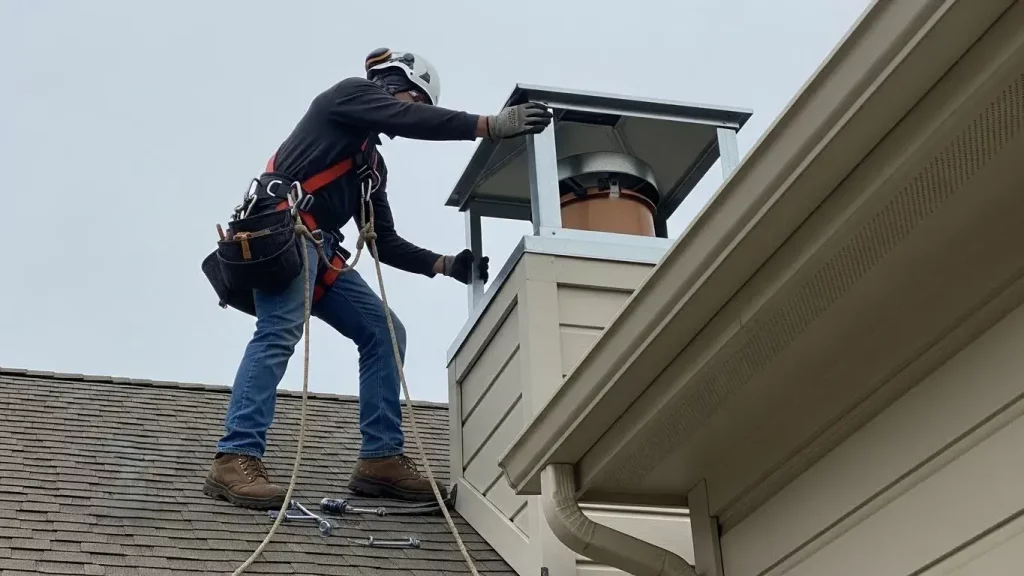
The actual replacement process involves safely accessing the roof and chimney area, establishing proper safety equipment and protocols. Professional teams understand the risks associated with roof work and implement appropriate precautions to protect both workers and the property.
Removal of the old chase cover reveals the condition of underlying components. Technicians carefully inspect the chimney crown, flashing, and accessible interior surfaces for water damage, deterioration, or other issues requiring attention. Addressing these problems before installing the new cover ensures comprehensive restoration rather than simply covering existing problems.
Surface preparation includes cleaning the chimney crown and structure where the new cover will attach. Removing old sealant, debris, and corrosion creates clean surfaces that allow proper adhesion of new sealants and flashings. This preparation work significantly impacts how well the new installation performs over time.
Installation of the new chase cover includes proper flashing installation, secure fastening, and complete sealing of all joints and connections. Professional technicians ensure the cover sits level and properly overhangs the chimney structure to direct water away from vulnerable areas. Multiple seal inspections verify that no gaps or potential leak points remain.
Final inspection confirms that the installation meets professional standards and will provide reliable protection. Top Hat Chimney And Roofing technicians walk homeowners through the completed work, explaining maintenance recommendations that will maximize the new cover’s lifespan and performance.
Long-Term Value of Proactive Replace Chimney Chase Covers Houston Investment
Viewing chase cover replacement as preventive investment rather than expense helps homeowners appreciate the substantial value this maintenance provides. The cost of replacing a failing chase cover before it causes secondary damage represents a fraction of what comprehensive chimney repairs require after water has compromised multiple components.
Property value protection represents an important consideration. Homes with properly maintained chimneys and chase covers avoid the water damage, mold issues, and structural problems that concern potential buyers and reduce property values. Documented maintenance history including timely chase cover replacement demonstrates responsible homeownership that appeals to buyers.
Safety considerations extend beyond financial concerns. Compromised chimney systems pose fire hazards when water damage affects flue liners or structural integrity. Properly functioning chase covers maintain the protective barriers that keep combustion gases safely vented outside rather than leaking into living spaces.
Insurance considerations may also favor proactive maintenance. Some insurance policies expect reasonable preventive maintenance, and documented chimney care including appropriate chase cover replacement demonstrates the diligence insurers expect from policyholders.
Energy efficiency benefits from properly sealed chimney systems. Chase covers that fit correctly and seal completely prevent air infiltration that would otherwise allow conditioned air to escape through the chimney chase. This air sealing contributes to overall home energy performance, particularly important given Houston’s extended cooling season and high energy costs.
Environmental Factors Unique to Houston That Affect Replace Chimney Chase Covers Houston Timing
Houston’s position near the Gulf Coast creates environmental conditions that distinguish it from other regions and specifically impact chimney chase cover longevity. Salt-laden air from the Gulf, while more concentrated closer to the coast, reaches inland areas during certain weather patterns and accelerates metal corrosion beyond typical inland rates.
Hurricane season from June through November brings periods of intense weather that severely test chimney systems. High winds, driving rain, and occasionally hail create perfect conditions for exploiting any chase cover weaknesses. Homeowners who replace chimney chase covers Houston properties need before hurricane season benefit from knowing their chimney protection will withstand these severe weather events.
Houston’s heat and humidity combination creates year-round condensation concerns. Unlike regions with distinct dry seasons, Houston rarely provides extended periods when chimney components can thoroughly dry. This persistent moisture exposure means that any compromise in chase cover integrity leads to continuous rather than intermittent water intrusion.
Industrial air quality in certain Houston areas introduces additional corrosive elements. Emissions from refineries, chemical plants, and heavy traffic contribute pollutants that accelerate metal deterioration. Chase covers in these areas often require replacement sooner than similar installations in purely residential areas or locations with cleaner air quality.
Urban heat island effects in developed Houston areas create more extreme temperature cycles for chase covers. Dark roofing materials absorb substantial solar energy, creating higher surface temperatures than would occur in less developed areas. These elevated temperatures intensify expansion and contraction cycles that fatigue metal and degrade sealants.
Top Hat Chimney And Roofing understands these Houston-specific environmental factors and how they influence optimal timing for chase cover replacement. This local expertise ensures homeowners receive advice tailored to their specific location and conditions rather than generic recommendations that might not account for Houston’s unique challenges.
Making Informed Decisions About Replace Chimney Chase Covers Houston Homes Require
Homeowners benefit from understanding that chase cover replacement represents essential maintenance rather than optional improvement. The relatively modest investment in timely replacement prevents exponentially larger expenses associated with water-damaged chimney systems and interior repairs.
Scheduling regular chimney inspections creates opportunities to monitor chase cover conditions and identify replacement needs before failures occur. Annual inspections before Houston’s winter heating season provide ideal timing to address any issues discovered and ensure the chimney system functions safely when needed.
Budgeting for eventual chase cover replacement helps homeowners avoid financial stress when replacement becomes necessary. Understanding typical lifespans for different materials allows realistic planning for this predictable maintenance requirement.
Top Hat Chimney And Roofing provides honest assessments that help homeowners distinguish between situations requiring immediate replacement and those where additional service life remains available. This transparency builds trust and helps customers make decisions based on actual conditions rather than unnecessary urgency.
Documentation of chase cover replacement and chimney maintenance creates valuable records for future reference. These records help homeowners track when replacement occurred, what materials were used, and when future attention might be needed. Documentation also provides important information for future owners if the property is sold.
The decision to replace chimney chase covers Houston weather will continue testing year after year ultimately protects one of the home’s most important systems. Chimneys serve critical safety functions, venting dangerous combustion gases away from living spaces while allowing enjoyable use of fireplaces during cool weather. Maintaining the protective barriers that keep these systems functioning properly represents responsible homeownership that pays dividends in safety, property value, and avoiding costly repairs.
Top Hat Chimney And Roofing stands ready to help Houston-area homeowners assess their chase cover conditions, understand replacement timing, select appropriate materials, and complete professional installations that provide lasting protection. The expertise, quality workmanship, and commitment to customer education that Top Hat Chimney And Roofing delivers ensure homeowners receive value that extends far beyond the immediate service, protecting their homes and families for years to come.
